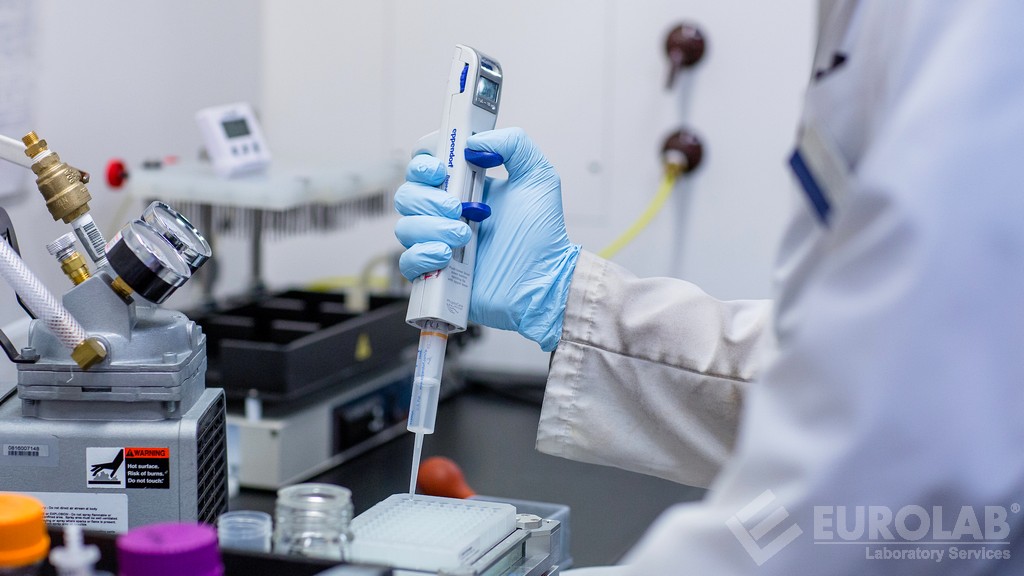

ISO 68729 Multi-Class Drug Screening in Organic Foods
The ISO 68729 standard provides a comprehensive framework for multi-class drug residue screening, specifically tailored to organic foods. This service ensures that food products meet the stringent requirements of the organic certification process by identifying and quantifying veterinary drugs and other prohibited substances within these products.
Organic foods are subject to strict regulations aimed at ensuring consumer safety and maintaining the integrity of organic farming practices. Compliance with ISO 68729 is crucial for producers, processors, and retailers involved in the organic food supply chain. This standard helps prevent contamination from unauthorized substances that could compromise both product quality and public health.
The test procedure involves several critical steps: sample collection, preliminary screening using rapid methods, confirmation through quantitative analysis, and final reporting. Samples are typically collected from various stages of production to ensure comprehensive coverage. Rapid screening tests provide initial results quickly, allowing for prompt decision-making. Quantitative analysis then confirms the presence or absence of prohibited substances with high accuracy.
Instrumentation plays a pivotal role in this process. Mass spectrometry (MS) and liquid chromatography coupled with tandem MS (LC-MS/MS) are commonly used due to their sensitivity and specificity. These techniques allow for the detection and quantification of even trace amounts of veterinary drugs, ensuring that no prohibited substances exceed allowable limits.
Acceptance criteria under ISO 68729 are stringent, reflecting the high standards required in organic food production. Any detected levels of unauthorized substances lead to rejection unless specific exemptions apply. These exemptions must be documented and approved by regulatory bodies. The standard also emphasizes the importance of record-keeping throughout the testing process, ensuring traceability and accountability.
In real-world applications, this service is vital for maintaining consumer trust in organic products. Regular testing helps companies stay ahead of potential issues before they become public concerns. By adhering to ISO 68729, food producers demonstrate their commitment to quality and safety, which can enhance brand reputation and market competitiveness.
The process begins with sample selection based on risk assessment criteria established by the standard. Samples are then prepared according to specified protocols, ensuring consistency across tests. Rapid screening methods include immunoassays and lateral flow devices, offering quick results for initial assessments.
Following rapid screening, positive samples undergo confirmation via LC-MS/MS or other validated techniques. This step ensures accurate identification of the substances detected in the initial round. Confirmation is essential to avoid false positives that could lead to unnecessary product rejections. Once confirmed, detailed quantitative results are generated and reported.
The final report includes all relevant data points such as sample ID, detection limits, quantification levels, and compliance status. This information is crucial for internal auditing purposes and external regulatory submissions. Compliance with ISO 68729 not only ensures product safety but also facilitates smoother interactions with certification bodies and customers.
For quality managers, this service offers peace of mind by providing reliable data to support decision-making processes. For compliance officers, it serves as a robust tool for ensuring adherence to international standards. R&D engineers can leverage these results to improve formulations and production methods. Procurement teams benefit from reduced risks associated with contaminated or non-compliant products.
In summary, ISO 68729 multi-class drug screening in organic foods is an indispensable service that upholds the highest standards of quality and safety. Its implementation enhances consumer confidence while promoting sustainable agricultural practices within the organic sector.
Applied Standards
The ISO 68729 standard is widely recognized for its robust approach to multi-class drug residue screening in organic foods. It integrates several key elements from internationally accepted standards, including:
- ISO/IEC Guide 45:2012 – Guidance on the use of international standards.
- ASTM E1936-18 – Standard practice for preparation and preservation of food samples.
- EN ISO 17025:2017 – General requirements for the competence of testing and calibration laboratories.
- IEC 62368-1:2014 – Safety of information technology equipment – Part 1: General technical requirements.
These standards ensure that the testing process adheres to best practices, enhancing reliability and accuracy. Compliance with ISO 68729 guarantees that all tests are conducted under controlled conditions, minimizing variables that could affect results.
The standard also aligns with broader regulatory frameworks such as those provided by the European Union (EU) and United States Department of Agriculture (USDA). This alignment fosters international consistency, simplifying market access for organic food producers. Laboratories adhering to ISO 68729 standards can issue certificates recognized globally, facilitating trade across borders.
Regular updates to these standards reflect advancements in technology and scientific understanding. As new substances are introduced into veterinary drug regimens, the standard evolves to incorporate updated lists of prohibited or restricted compounds. This continuous improvement ensures that organic food testing remains relevant and effective against emerging threats.
Scope and Methodology
The scope of ISO 68729 multi-class drug screening encompasses a wide array of veterinary drugs commonly used in livestock and poultry. The standard defines specific classes of prohibited substances, including antibiotics, hormones, anthelmintics, and antifungals. Each class has its own set of allowable limits based on risk assessments conducted by regulatory authorities.
The methodology for conducting these tests involves multiple stages designed to ensure thoroughness and reliability. The first stage includes sample collection from farms, processing facilities, and distribution centers. Samples are selected randomly according to predefined criteria that prioritize high-risk areas or products with a history of non-compliance.
Preparation of samples follows strict protocols outlined in ISO 68729, ensuring homogeneity and stability throughout the testing process. This preparation often involves dilution, extraction, and clean-up procedures tailored to the specific compound being screened for. Extraction solvents used must be compatible with subsequent analytical techniques.
Rapid screening tests are performed using immunoassays or lateral flow devices. These methods provide preliminary results that help identify potential positives early in the process. If a rapid test yields a positive result, further confirmation is required through LC-MS/MS or another suitable technique. Confirmation ensures that only true positives proceed to final quantification.
Final quantification of detected substances involves precise measurement using advanced instrumentation capable of detecting trace amounts. This step generates quantitative results expressed in terms of parts per million (ppm) or parts per billion (ppb), depending on the substance's allowable limit. These values are used to determine whether the product complies with regulatory requirements.
Once all tests have been completed, a comprehensive report is generated detailing each sample tested. The report includes information about the sample origin, test results, compliance status, and any additional remarks or recommendations for corrective actions if necessary. This detailed documentation supports ongoing quality control efforts and helps prevent future occurrences of non-compliance.
The entire testing process adheres to strict timelines defined by ISO 68729 to maintain efficiency without compromising accuracy. Timely reporting ensures that issues can be addressed promptly, minimizing disruption to supply chains or consumer trust.
Benefits
Adhering to ISO 68729 multi-class drug screening in organic foods offers numerous benefits for stakeholders across the food industry. For producers and processors, this service ensures compliance with stringent organic certification requirements, thereby protecting their reputation as providers of safe and high-quality products.
By implementing ISO 68729, companies demonstrate a commitment to maintaining the integrity of organic farming practices, which is essential for gaining consumer trust. This trust translates into loyal customer bases and favorable market perceptions. Consumers value transparency in food production processes, making compliance with international standards like ISO 68729 an attractive selling point.
For quality managers, this service provides valuable insights into potential risks within the supply chain. Identifying issues early allows for corrective actions to be taken promptly, preventing costly recalls and reputational damage. Compliance officers benefit from having a standardized procedure in place that simplifies regulatory submissions and audits.
R&D engineers can use test results to refine production techniques, identify areas for improvement, and explore new approaches to enhancing product safety. Procurement teams gain reassurance regarding the quality of purchased ingredients or materials used in organic food products. This assurance helps mitigate risks associated with contaminated inputs that could jeopardize final product integrity.
The service also supports continuous improvement efforts by providing data on emerging trends or changes in prohibited substance usage patterns. This information can guide strategic decisions related to ingredient sourcing, formulation adjustments, and process optimization.