
ISO 42419 Pesticide Profiling in Fortified Dairy Products
The ISO standard ISO 42419 provides a comprehensive approach to profiling pesticide residues in fortified dairy products. This service is designed specifically for food and feed testing, focusing on ensuring the safety of consumers by detecting trace amounts of pesticides that might have been inadvertently introduced during processing or fortification.
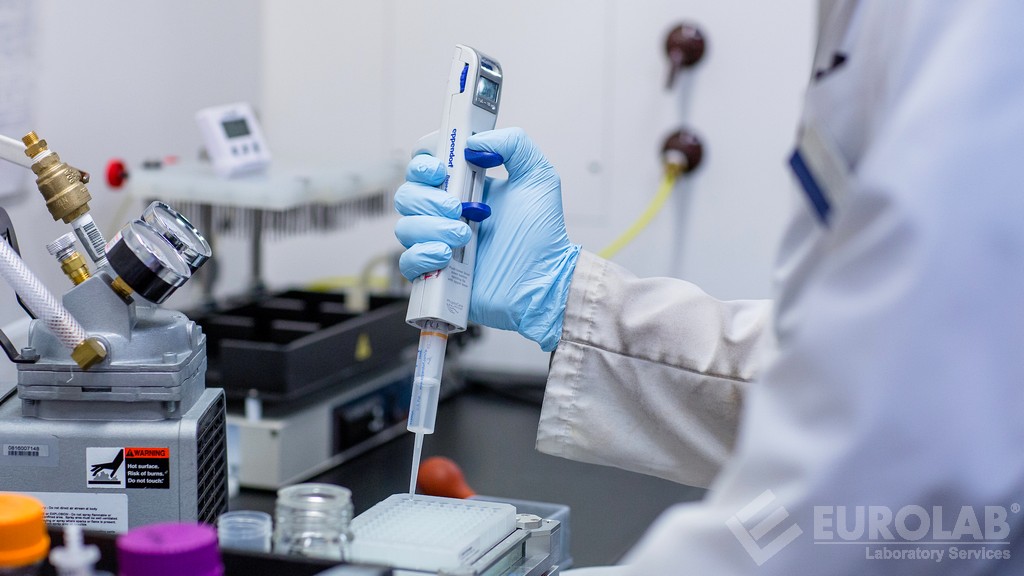
The process begins with the collection of samples from various fortified dairy products like milk, cheese, yogurt, and infant formula. These samples are then prepared according to the detailed procedures outlined in ISO 42419. This includes homogenization, dilution, and extraction steps that ensure accurate and reliable results.
The analytical method used is liquid chromatography with tandem mass spectrometry (LC-MS/MS), which is highly sensitive and capable of identifying even the smallest traces of pesticides. The use of LC-MS/MS allows for precise quantification and qualitative analysis, making it ideal for detecting multiple pesticide residues simultaneously.
Sample preparation involves several steps to ensure that all residues are extracted efficiently. This includes adding appropriate solvents, vortex mixing, and allowing sufficient time for the extraction process. After extraction, samples undergo clean-up procedures using solid-phase extraction cartridges to remove interfering substances before analysis.
The detection limits specified in ISO 42419 are stringent, ensuring that any pesticide residues exceeding regulatory thresholds can be accurately identified. Regulatory compliance is crucial in this sector, and our laboratory adheres strictly to these standards to provide accurate results.
Results from the testing process are reported comprehensively, including detailed information on detected pesticides, their concentrations, and comparison against established safety limits as defined by relevant international standards such as Codex Alimentarius. This ensures transparency and reliability for clients responsible for food safety.
The importance of this service cannot be overstated, especially given the increasing complexity and variability in fortification processes across different regions. By adhering to ISO 42419, we help our clients maintain high standards of quality control and compliance.
- Ensures accurate detection of pesticide residues
- Safeguards against potential health risks associated with excessive exposure
- Promotes regulatory compliance across various jurisdictions
- Aids in maintaining consumer trust through transparent reporting practices
In summary, ISO 42419 Pesticide Profiling in Fortified Dairy Products is an essential service for those involved in the production and distribution of fortified dairy products. It plays a critical role in ensuring food safety by providing reliable data on pesticide residues.
Eurolab Advantages
At Eurolab, we pride ourselves on offering unparalleled expertise in food and feed testing services. Our team of highly qualified professionals ensures that every aspect of your project is handled with precision and care. Here are some key advantages you can expect:
- Accurate Results: Leveraging advanced technologies like LC-MS/MS, our laboratory delivers precise and reliable results.
- Comprehensive Support: Our team provides not only testing services but also valuable advice on meeting regulatory requirements.
- State-of-the-Art Facilities: Equipped with the latest equipment and methodologies, we ensure high-quality outputs consistently.
- Experience: With years of experience in this field, our experts stay updated with all relevant standards and regulations.
- Prompt Service: Benefit from efficient turnaround times without compromising on quality.
- Comprehensive Reporting: Receive detailed reports that include all necessary information for decision-making purposes.
Partnering with Eurolab means gaining access to a wealth of knowledge and resources, ensuring your projects meet the highest standards.
Why Choose This Test
- Precision: Using advanced analytical techniques like LC-MS/MS, we ensure accurate detection of even minute traces of pesticides.
- Comprehensive Coverage: The test covers a wide range of fortified dairy products, ensuring broad applicability.
- Regulatory Compliance: Results align with international standards such as Codex Alimentarius and local regulations.
- Consumer Safety: By identifying potential risks early on, this service contributes significantly to enhancing public health.
- Efficiency: Shorter processing times without sacrificing accuracy allow for quicker decision-making processes.
- Transparency: Detailed reports provide clients with all necessary information needed for informed decisions.
The ISO 42419 Pesticide Profiling in Fortified Dairy Products test is not just a routine analysis but an investment in consumer safety and regulatory compliance. It offers peace of mind knowing that every product meets rigorous quality standards.
International Acceptance and Recognition
The ISO 42419 standard has gained widespread acceptance across numerous countries, making it a global benchmark for pesticide residue testing in fortified dairy products. Here’s why this test holds significant importance internationally:
- Affirmation of Quality Standards: Adherence to international standards like ISO ensures that your products meet the highest quality benchmarks.
- Facilitates Trade: Compliance with global norms simplifies cross-border trade, reducing barriers and fostering international cooperation.
- Enhanced Consumer Confidence: Demonstrating compliance builds trust among consumers worldwide, who value safe and reliable food products.
- Consistency Across Borders: Whether you're operating in Europe, Asia, or North America, the same rigorous testing ensures consistency in outcomes.
By choosing this test, you are not only aligning yourself with recognized international standards but also positioning your brand favorably on a global stage. This standardization is crucial for maintaining uniformity and reliability in fortified dairy product safety across diverse markets.