
Pesticide-Free Certification
The concept of pesticide-free certification has gained significant traction in recent years due to increasing consumer awareness and demand for safer agricultural products. Pesticide-free certification ensures that food products, particularly fruits, vegetables, and grains, are produced without the use of synthetic pesticides or herbicides during their cultivation. This certification is not just a marketing tool; it signifies compliance with stringent standards aimed at protecting both human health and the environment.
The process involves several key steps to ensure the pesticide-free status of agricultural products. Initially, farmers must adhere to strict guidelines that prohibit the use of synthetic pesticides for an agreed-upon period prior to certification. This period is typically 12 months but can vary based on the specific crop and regulatory requirements. After this initial phase, regular testing and monitoring are conducted throughout the growing season to ensure no prohibited substances have been used.
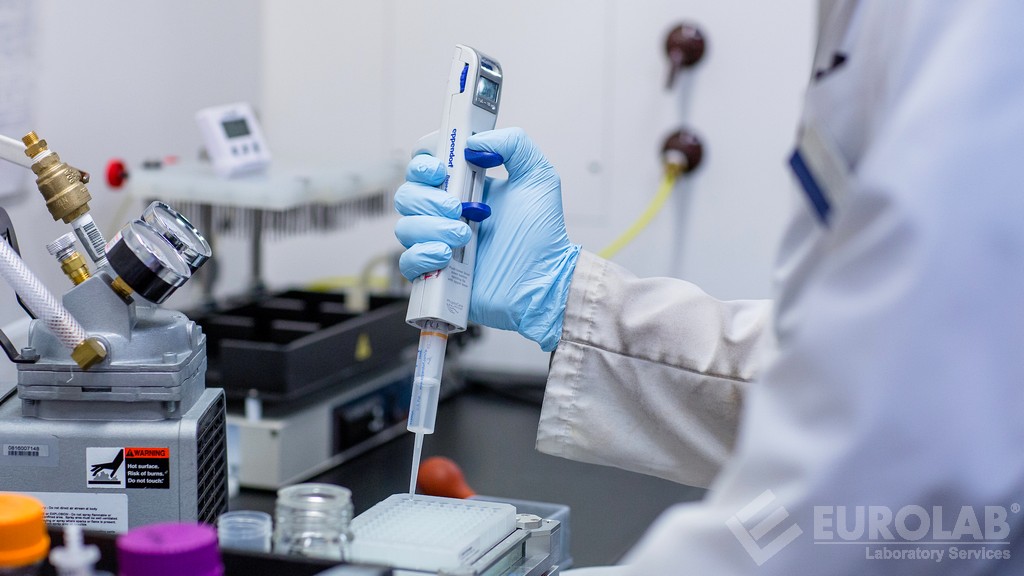
Testing methods employed in pesticide-free certification include both laboratory analysis and field inspections. Laboratory tests involve sampling crops at various stages of growth and using sophisticated analytical techniques such as gas chromatography-mass spectrometry (GC-MS) and liquid chromatography-tandem mass spectrometry (LC-MS/MS). These methods can detect even trace amounts of prohibited substances, ensuring the accuracy of the certification.
Field inspections complement laboratory testing by providing real-time verification of compliance. Trained inspectors visit farms to observe farming practices, review records, and conduct spot checks on the use of chemicals. This holistic approach ensures that all aspects of agricultural production are in line with pesticide-free standards.
The significance of pesticide-free certification extends beyond just meeting regulatory requirements. It offers numerous benefits for both producers and consumers. For producers, it opens up new markets and enhances brand reputation by demonstrating a commitment to sustainable practices. Consumers benefit from the assurance that their food is free from harmful chemicals, contributing to healthier eating habits and reduced risk of exposure to pesticides.
Standardization plays a crucial role in maintaining the integrity of pesticide-free certification. International standards such as ISO 17025 (concerning competence of testing and calibration laboratories) and IEC 60489-3 (regarding chemical analysis methods for food safety) guide the laboratory practices employed during these tests. These standards ensure that all tests are conducted with precision and reliability, providing accurate results.
In conclusion, pesticide-free certification is a vital component of modern agricultural practices aimed at ensuring safe and sustainable production. By adhering to strict guidelines and undergoing rigorous testing, farmers can achieve this certification, thereby contributing to healthier food options for consumers worldwide.
Why It Matters
Pesticide-free certification is essential in the modern agricultural landscape due to its profound impact on human health and environmental sustainability. The use of synthetic pesticides has been linked to a range of adverse effects, including neurotoxicity, carcinogenicity, and disruption of endocrine systems. These chemicals can persist in soil, water, and air long after application, leading to widespread contamination.
For consumers, the availability of pesticide-free products is crucial for reducing exposure to potentially harmful substances. This certification ensures that fruits, vegetables, and grains are grown without synthetic pesticides, offering a safer alternative to conventional produce. Moreover, it aligns with growing consumer demand for healthier food options, contributing to overall public health.
From an environmental perspective, pesticide-free certification plays a pivotal role in preserving biodiversity and reducing pollution. By avoiding the use of harmful chemicals, farmers contribute to ecosystem balance and prevent waterways from becoming contaminated. This approach not only protects aquatic life but also supports the broader ecological health of agricultural regions.
The certification process itself is rigorous and comprehensive, ensuring that all aspects of production meet stringent standards. This includes thorough laboratory testing using advanced analytical techniques like GC-MS and LC-MS/MS to detect trace amounts of prohibited substances. Field inspections further verify compliance by observing farming practices and reviewing records. The combination of these measures guarantees the accuracy and reliability of the certification.
Ultimately, pesticide-free certification is a critical step towards promoting sustainable agriculture and enhancing consumer trust in food safety. By adhering to strict guidelines and undergoing regular testing, farmers can achieve this certification, thereby contributing to healthier food options for consumers worldwide while also supporting environmental sustainability.
Why Choose This Test
Selecting the appropriate test for pesticide-free certification is crucial in ensuring accuracy and reliability. The choice of methods depends on various factors, including the specific crops being tested, the expected level of contamination, and the regulatory requirements of different regions.
For instance, gas chromatography-mass spectrometry (GC-MS) is widely used for its high sensitivity and ability to detect trace amounts of pesticides. This technique separates compounds based on their volatility and polarity before identifying them through mass spectrometry. Liquid chromatography-tandem mass spectrometry (LC-MS/MS) offers similar benefits but with enhanced specificity, making it ideal for complex matrices like plant tissues.
In addition to these analytical techniques, field inspections play a crucial role in verifying compliance with pesticide-free standards. Inspectors visit farms regularly to observe farming practices, review records, and conduct spot checks on the use of chemicals. This hands-on approach ensures that all aspects of production are being adhered to, providing an additional layer of assurance.
The combination of laboratory testing and field inspections provides a comprehensive evaluation of pesticide-free certification. Laboratory tests ensure accuracy through precise measurement and identification of prohibited substances, while field inspections offer real-time verification of compliance practices. Together, these methods guarantee the reliability and credibility of the certification process.
By choosing this test for pesticide-free certification, farmers not only meet regulatory requirements but also enhance their reputation by demonstrating a commitment to sustainable agricultural practices. This approach builds consumer trust and opens up new markets for pesticide-free products, contributing to both economic growth and environmental sustainability.
Quality and Reliability Assurance
Ensuring the quality and reliability of pesticide-free certification requires adherence to strict standards and protocols throughout the entire process. From initial sampling and preparation to final analysis and reporting, every step must be meticulously followed to maintain accuracy and consistency.
The first step in this process is proper specimen preparation. This involves selecting representative samples from various parts of the crop, ensuring that they reflect the overall quality and condition of the produce. Samples are then preserved using appropriate methods such as freezing or drying to prevent degradation during transit to the laboratory.
In the laboratory, rigorous analytical procedures are employed to ensure precise measurement and identification of prohibited substances. Advanced techniques like gas chromatography-mass spectrometry (GC-MS) and liquid chromatography-tandem mass spectrometry (LC-MS/MS) provide high sensitivity and specificity, enabling accurate detection even at trace levels. These methods involve multiple steps including sample extraction, purification, and finally, analysis by the respective instruments.
Field inspections are also a critical component of this process. Trained inspectors visit farms regularly to observe farming practices, review records, and conduct spot checks on the use of chemicals. This hands-on approach ensures that all aspects of production are being adhered to, providing an additional layer of assurance beyond laboratory testing.
The final report summarizes the findings from both laboratory tests and field inspections, detailing any deviations or compliance issues encountered during the certification process. This comprehensive document serves as evidence of adherence to pesticide-free standards, offering transparency and accountability to all stakeholders involved.
By maintaining strict quality control measures at every stage, laboratories can ensure the reliability and accuracy of their results. This commitment to excellence not only enhances credibility but also fosters trust among consumers who rely on such certifications for reassurance about the safety and purity of their food choices.