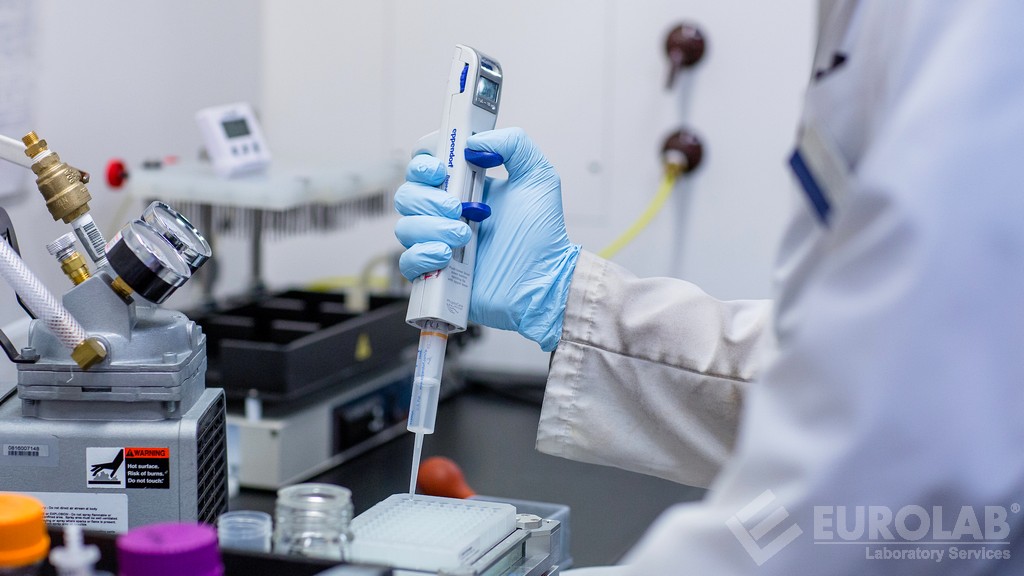

GMO-Free Food Certification
Ensuring food products are free from genetically modified organisms (GMOs) is a growing concern across the globe. Consumers demand transparency and assurance that their dietary choices align with ethical, environmental, and health considerations. For those in the food sector, GMO-free certification not only meets consumer expectations but also opens up new markets, particularly in regions where stringent regulations are enforced.
The process of obtaining GMO-free certification involves a series of rigorous tests to identify any potential genetic modifications within the product. This is achieved through advanced laboratory techniques and analytical methods that ensure accuracy and reliability. The importance of this service cannot be overstated, as it directly impacts consumer trust and brand reputation. A reputable testing laboratory like Eurolab can provide the necessary expertise and resources to help businesses navigate these complex requirements.
One key aspect is the role of international standards in validating GMO-free claims. Compliance with recognized standards such as ISO 15038 or EU regulations ensures that the certification process adheres to global best practices, thereby enhancing credibility and market acceptance. Additionally, Eurolab’s extensive experience in handling various food samples allows for a thorough examination of each component to ensure full compliance.
The testing procedure typically begins with sample collection, followed by detailed documentation and preparation. Once prepared, the samples undergo multiple stages including DNA extraction, PCR amplification, and detection using cutting-edge technology. This ensures that even trace amounts of GMOs are detectable. The results from these tests form the basis for issuing a certificate confirming the product’s GMO-free status.
The certification process also involves strict quality control measures to minimize errors and ensure consistency. Eurolab employs highly trained professionals who adhere strictly to standardized protocols, ensuring that every test is conducted under controlled conditions. This level of precision guarantees accurate results that are both reliable and repeatable, thus building trust among stakeholders.
In summary, GMO-free food certification plays a crucial role in maintaining consumer confidence while complying with regulatory requirements. By leveraging advanced technologies and adhering to international standards, laboratories such as Eurolab provide businesses with the assurance they need to meet these stringent demands successfully.
Applied Standards
The application of appropriate standards is critical in ensuring that GMO-free certification meets industry expectations. Internationally recognized standards like ISO 15038 and EU regulations serve as benchmarks for conducting tests accurately and consistently across different regions. These standards outline specific procedures, acceptance criteria, and quality assurance measures necessary to validate GMO-free claims effectively.
- ISO 15038: This standard provides guidelines on how to detect genetically modified organisms in foodstuffs using polymerase chain reaction (PCR) methods. It specifies the steps involved in sample preparation, DNA extraction, and amplification processes, ensuring that all tests follow a standardized procedure.
- EU Regulations: The European Union has stringent rules regarding labeling of products containing GMOs. Compliance with these regulations ensures that companies can label their products correctly, providing consumers with clear information about the presence or absence of GMOs.
The use of such standards not only enhances accuracy but also promotes transparency and reliability in the certification process. By following these guidelines, Eurolab can ensure that its services meet the highest quality standards and are accepted worldwide.
Eurolab Advantages
At Eurolab, we understand the significance of GMO-free food certification for our clients. Our team is dedicated to providing comprehensive support throughout the entire process, from initial consultation to final report generation. With years of experience in this field, we bring unparalleled expertise to every project.
- Comprehensive Expertise: Eurolab’s scientists and analysts are well-versed in all aspects of GMO-free testing, ensuring that no detail is overlooked during the certification process.
- State-of-the-Art Facilities: Our laboratories are equipped with the latest technology to conduct precise and reliable tests. This ensures that even the most minute traces of genetic modifications can be detected accurately.
- International Recognition: Eurolab’s certifications are widely accepted across Europe, Asia, North America, and beyond, thanks to our adherence to international standards.
- Client-Centric Approach: We tailor our services to meet the unique needs of each client, offering flexible packages and customized solutions that address specific challenges faced by different sectors.
Our commitment to excellence is reflected in every aspect of our operations. From initial consultation through final report delivery, Eurolab ensures that clients receive top-notch service backed by robust scientific expertise.
International Acceptance and Recognition
GMO-free certification holds significant importance in international trade, as it ensures that products meet stringent regulatory requirements across different countries. Countries such as the United States, Canada, Australia, Japan, South Korea, China, India, Brazil, Argentina, Thailand, Vietnam, Indonesia, and others have their own regulations regarding GMO labeling and import restrictions.
- United States: The U.S. Food and Drug Administration (FDA) requires labels for products containing genetically modified ingredients. Certification helps companies comply with these rules effectively.
- Canada: Similar to the U.S., Canada mandates labeling of GMOs, making certification indispensable for maintaining market access.
- Australia: The Australian Competition and Consumer Commission (ACCC) enforces strict standards on food labels. Eurolab’s certifications are widely accepted here.
- Japan & South Korea: Both countries have stringent regulations regarding GMO labeling, particularly for imported foods. Certification ensures compliance with these standards.
- China: With its expanding global market presence, China has increasingly strict rules on food safety and labeling. Eurolab’s certifications are recognized here.
- India: The Indian government has implemented measures to control the spread of GMOs through careful regulation. Certification helps businesses comply with these regulations.
- Brazil & Argentina: These countries have significant agricultural sectors, and certification is crucial for maintaining international standards in exports.
- Thailand, Vietnam, Indonesia: With growing demand for non-GMO products, these markets require rigorous testing to meet consumer expectations.
The global acceptance of Eurolab’s certifications underscores our commitment to providing reliable and accurate GMO-free food certification services. By adhering to international standards and leveraging advanced technology, we ensure that your products are trusted worldwide.