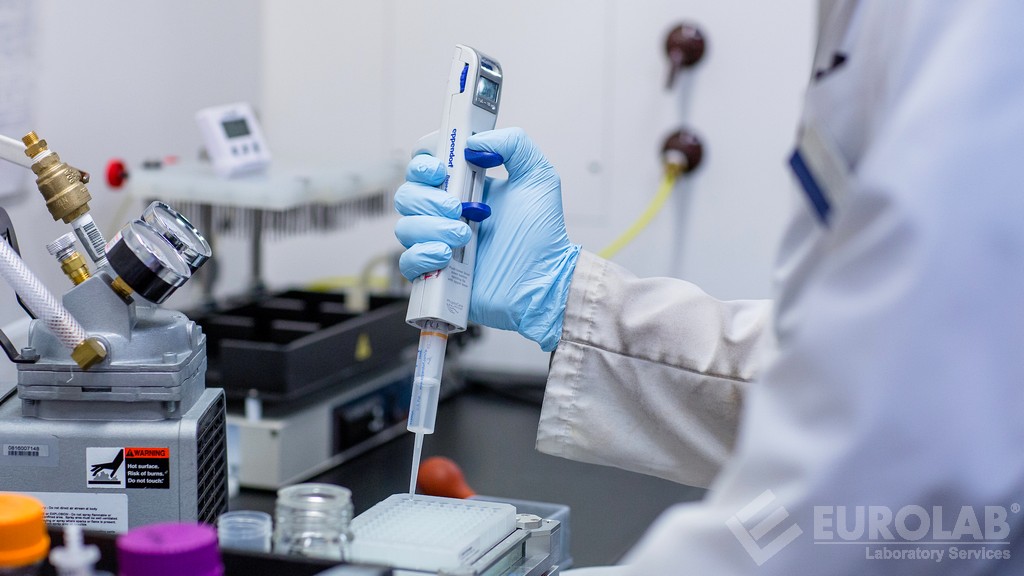

Allergen-Free Certification
Ensuring the safety and quality of food products is paramount in today's highly regulated industry. Allergen-free certification plays a critical role in this regard by providing assurance that certain food items are free from common allergens such as peanuts, tree nuts, milk, eggs, soybeans, wheat, fish, shellfish, and other potential triggers identified through customer sensitivity studies or regulatory requirements.
The process begins with detailed ingredient analysis using advanced analytical techniques like liquid chromatography-mass spectrometry (LC-MS) and nuclear magnetic resonance spectroscopy (NMR). These methods allow for precise quantification of allergens present in the product. Laboratories specializing in this service must adhere to strict protocols outlined by organizations such as ASTM, ISO, EN, and IEC.
Once analyzed, the results are rigorously reviewed and verified multiple times before certification is granted. The certification process ensures that products meet not only internal quality standards but also external regulatory requirements set forth by various authorities worldwide. This includes compliance with FDA regulations in the United States, EC regulations within the European Union, and similar guidelines from other countries.
The importance of allergen-free certification cannot be overstated. For consumers who suffer from severe allergies, even trace amounts of an allergen can lead to life-threatening reactions. By offering this certification service, laboratories contribute significantly to public health by helping manufacturers produce safe products that meet stringent safety standards.
Moreover, obtaining such certifications enhances a company's reputation among consumers, especially those with dietary restrictions or preferences due to medical conditions. It also opens up new markets where allergen-free products are in high demand but may face strict import regulations without proper certification.
A list of competitive advantages and market impacts includes:
- Boosting customer trust and loyalty
- Paving the way for expansion into international markets
- Enhancing brand image through compliance with global standards
- Increasing sales by catering to specific dietary needs
- Meeting stringent regulatory requirements, thereby avoiding legal issues
- Safeguarding public health and safety
- Earning recognition from industry peers and consumers alike
- Promoting innovation in product development while ensuring quality control
In conclusion, allergen-free certification is more than just a compliance requirement; it's a commitment to safeguarding consumer health and enhancing business opportunities. Laboratories specializing in this service provide essential support for manufacturers aiming to meet these rigorous standards.
Quality and Reliability Assurance
The quality and reliability assurance processes associated with allergen-free certification are designed to ensure that every product tested adheres strictly to defined specifications, thereby maintaining consistency across all batches produced. This involves several key steps:
- Initial Consultation: During this stage, the laboratory team works closely with clients to understand their specific requirements and expectations regarding allergen-free certification.
- Sample Preparation: Samples are prepared according to industry best practices, ensuring they represent accurately what will be tested.
- Analytical Testing: Using state-of-the-art equipment, samples undergo thorough analysis using techniques such as HPLC, GC-MS, and other relevant methods. These analyses aim at detecting even the smallest traces of allergens present in the product.
- Data Analysis and Reporting: Once testing is complete, raw data is analyzed meticulously to determine whether or not the product meets established thresholds for all identified allergens.
The laboratory team then compiles detailed reports that document every aspect of the testing process. These comprehensive reports serve as valuable resources both internally within organizations and externally when presenting findings to regulatory bodies or potential customers.
Quality assurance measures are continuously refined based on feedback received from clients, industry trends, and advancements in analytical technology. By doing so, laboratories ensure they remain at the forefront of providing accurate, reliable results that instill confidence among stakeholders.
International Acceptance and Recognition
Allergen-free certification is widely recognized across international borders due to its role in protecting public health and ensuring product safety. Regulatory bodies around the world have established guidelines aimed at reducing the risk of food allergies through stringent labeling laws and mandatory testing protocols.
In North America, for instance, the Food Allergen Labeling and Consumer Protection Act (FALCPA) requires manufacturers to clearly label foods containing major allergens. Similarly, in Europe, Directive 2002/46/EC mandates similar actions regarding the labeling of pre-packaged food products.
These regulations are further supported by international standards like ISO 17025 which ensures that laboratories meet specific criteria for technical competence and impartiality. Compliance with these standards guarantees that results obtained from different labs worldwide can be compared accurately, fostering trust among consumers regardless of location.
The global nature of the food industry means that companies operating internationally often need to comply with multiple sets of rules depending on where they do business. By obtaining allergen-free certification through a reputable laboratory recognized globally, businesses can streamline their compliance efforts and avoid potential pitfalls associated with non-compliance penalties.