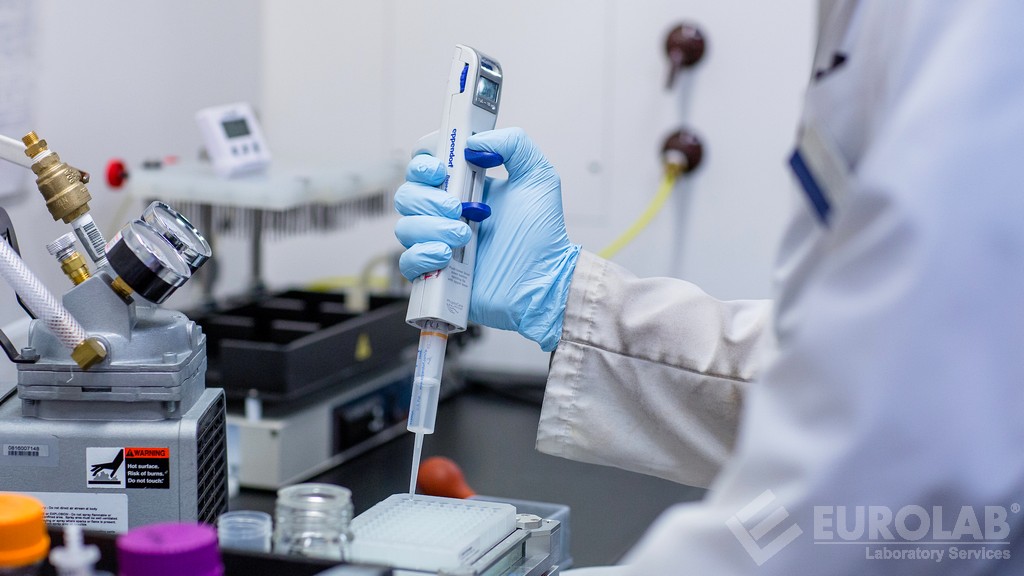

Animal Feed Safety Certification
The certification of animal feed safety is a critical component in ensuring that livestock are provided with safe and nutritious food. This process involves rigorous testing to identify potential contaminants, pathogens, additives, and other harmful substances that could compromise the health and productivity of animals. The importance of this service cannot be overstated, as even trace amounts of certain contaminants can lead to significant health issues in both animals and humans.
Animal feed safety certification typically includes a series of tests aimed at detecting various types of contamination. These might include mycotoxins, heavy metals, pesticide residues, antibiotic residues, and other harmful substances. The testing process also ensures that the feed meets all relevant nutritional requirements as specified by local or international standards.
The primary goal of this certification is to protect both animal health and public safety. By ensuring that feeds are free from dangerous contaminants, we contribute to a safer food supply chain that extends from farm to table. This service is particularly important in regions where there may be less stringent regulations or higher risk factors associated with feed production.
One of the key aspects of this certification process is compliance with international standards such as ISO, ASTM, and EN. For instance, ISO 17025 accreditation ensures that laboratories conducting these tests meet strict quality management requirements. Compliance with these standards not only guarantees accuracy in testing but also enhances confidence among stakeholders.
Another critical factor is the use of advanced analytical techniques to detect contaminants at very low levels. Techniques like high-performance liquid chromatography (HPLC), gas chromatography-mass spectrometry (GC-MS), and ELISA are commonly employed for precise analysis. These methods allow for the identification of even minute traces of harmful substances, ensuring that only safe feed reaches consumers.
Animal feed safety certification also plays a crucial role in supporting sustainable agricultural practices by promoting responsible use of additives and reducing waste. By preventing contamination issues early on through thorough testing, we help farmers make informed decisions about their feed purchases, thereby minimizing unnecessary expenditures while enhancing overall production efficiency.
In conclusion, animal feed safety certification is an essential service that contributes significantly to maintaining high standards in livestock nutrition and public health. Through rigorous testing procedures and adherence to international norms, this service provides peace of mind for all parties involved—from producers to consumers—ensuring the quality and safety of every batch of feed processed.
Why It Matters
The importance of animal feed safety cannot be overstated. Safe feeds directly impact the health and well-being of livestock, which in turn influences food production efficiency and economic stability within agricultural sectors worldwide. Contaminated or improperly formulated feeds can lead to various health issues in animals, including reduced growth rates, increased mortality rates, and decreased fertility levels.
Moreover, unsafe animal feed poses serious risks not only to the animals themselves but also to humans who consume products derived from these animals. For example, consuming meat contaminated with pathogens such as Salmonella or E.coli can result in severe foodborne illnesses affecting human consumers directly. Ensuring that feeds are free from such contaminants is thus paramount for safeguarding public health.
In addition, maintaining strict standards for animal feed safety helps uphold environmental sustainability goals by promoting responsible agricultural practices. By minimizing waste and preventing overuse of resources like antibiotics, this service supports more sustainable farming methods that benefit both the environment and society at large.
Therefore, investing in robust animal feed safety certification services is not just a necessity but also an investment towards building trust among stakeholders, enhancing operational efficiency, and fostering long-term success across various agricultural enterprises.
International Acceptance and Recognition
- ISO 17025: Compliance with Laboratory Standards - Laboratories conducting feed safety assessments must adhere to ISO 17025, which sets out the general requirements for the competence of testing and calibration laboratories.
- ASTM E1623: Mycotoxin Testing in Animal Feed - This American Society for Testing and Materials standard provides guidelines on how to test feed samples for common mycotoxins like aflatoxin B1, zearalenone, and trichothecenes.
- EN 965: Feed Analysis - Developed by the European Committee for Standardization (CEN), this standard covers various aspects of feed analysis including proximate composition determination and vitamin content measurement.
- IEC 62304: Safety in Medical Devices - General Requirements - Although primarily focused on medical devices, there are parallels that can be drawn regarding safety standards applicable to animal nutrition products.
The acceptance of these certifications varies across different regions due to differences in regulatory frameworks and cultural preferences. However, globally recognized bodies like ISO have established themselves as benchmarks for quality assurance worldwide. Laboratories accredited under such programs enjoy broader recognition because they adhere to consistent methodologies and high-quality practices recognized internationally.
For instance, countries belonging to the European Union (EU) typically require compliance with EN standards when importing animal feed products. Similarly, exporters targeting markets in North America need to ensure their feeds meet requirements specified by organizations like ASTM. By obtaining these certifications, producers demonstrate commitment to excellence and reliability which enhances market access opportunities.
It is worth noting that some regions may have additional local regulations beyond those outlined above. Therefore, understanding the specific requirements of each target market is crucial for successful certification processes. Engaging experienced professionals who specialize in international standards can greatly facilitate this process by providing expert guidance tailored specifically to your business needs.
Use Cases and Application Examples
| Scenario | Description | Testing Methodology | Results and Implications |
|---|---|---|---|
| New Feed Product Launch | A company launches a new type of animal feed aimed at enhancing pig growth rates. Before entering the market, they require certification to ensure it meets all necessary safety standards. | Testing includes analyzing for mycotoxins using HPLC, heavy metal content via ICP-MS (Inductively Coupled Plasma Mass Spectrometry), and nutritional profiles through proximate analysis. | The results show compliance with international standards. This allows the company to confidently launch their product without concerns about contamination or insufficient nutrition levels. |
| Feed Quality Control | A large-scale poultry farm conducts regular checks on incoming batches of feed to maintain consistent quality and prevent potential health issues among its flock. | Continuous monitoring involves rapid screening for mycotoxins using ELISA kits followed by confirmatory testing through GC-MS if any high-risk toxins are detected. | If any contaminants are found, immediate corrective actions are taken such as replacing the affected batch or adjusting feed formulation accordingly. This proactive approach ensures continuous compliance with safety standards and protects animal health. |
| Compliance Audits Post-Certification | A feed manufacturer undergoes periodic audits by independent third parties to verify ongoing adherence to established safety protocols after initial certification has been achieved. | Detailed inspections encompass re-testing of randomly selected batches for contaminants and verification of nutritional claims made on product labels against actual results obtained during previous testing cycles. | The audit process reinforces commitment to maintaining stringent quality controls throughout the supply chain. Any discrepancies found are addressed promptly through improvements in production processes or changes to feed formulations as required by auditors. |
These scenarios illustrate how animal feed safety certification plays a vital role in ensuring both product integrity and regulatory compliance across diverse operational contexts within the industry.