
Food Safety Certification
The importance of ensuring food safety cannot be overstated. In today’s globalized world, consumers expect products that meet stringent quality and safety standards. Food safety certification is a critical step in achieving these expectations and demonstrating compliance with regulatory requirements.
In the context of the food industry, certification serves multiple purposes: it ensures product integrity, protects consumer health, and maintains brand reputation. Compliance officers must stay abreast of evolving regulations and standards to ensure their products meet both local and international requirements.
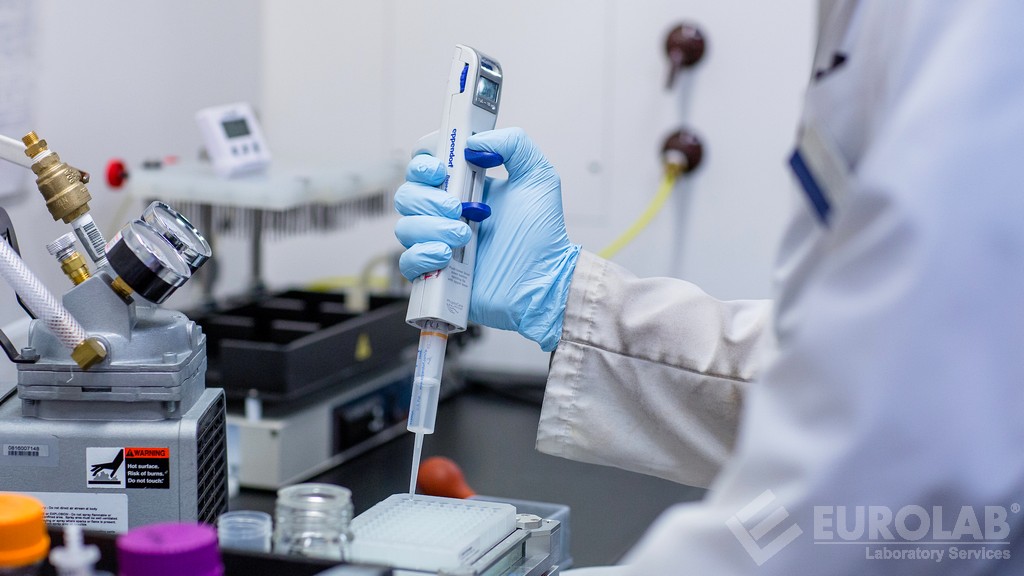
The process involves rigorous testing and assessment conducted by accredited laboratories like ours. Our team specializes in providing comprehensive food safety certification services that cater to a wide range of stakeholders including quality managers, R&D engineers, and procurement teams. These professionals rely on us for accurate, timely, and reliable results that support business decisions and regulatory submissions.
Our approach begins with an initial consultation where we assess the specific needs of our clients. This includes understanding their product types, distribution channels, target markets, and any relevant legal frameworks. Based on this information, we tailor a certification plan that addresses all necessary criteria.
The testing process itself is designed to be thorough yet efficient. It involves various stages such as sample collection, preparation, analysis using advanced instrumentation, and final reporting. Throughout these steps, we adhere strictly to internationally recognized standards including ISO 22000:2018, HACCP principles, and other sector-specific guidelines.
One key aspect of our service is the application of appropriate international standards which ensure consistency and reliability across different jurisdictions. These include but are not limited to:
| Standard | Description |
| ISO 22000:2018 | A management system standard that integrates food safety into the overall organizational process. |
| HACCP (Hazard Analysis and Critical Control Points) | An approach to help ensure food safety by identifying potential hazards in a food production operation. |
| IFS (International Food Standards) | A certification standard developed for the retail and foodservice sectors, covering quality, hygiene, and technical criteria. |
Our dedicated team of experts ensures that each stage of the testing process adheres to these standards. This not only enhances accuracy but also builds trust among our clients and their customers.
The final step in the certification journey is generating a comprehensive report detailing all findings and recommendations. This document serves as proof of compliance and can be submitted to regulatory bodies or used internally for quality improvement initiatives.
In summary, food safety certification is more than just a procedural requirement; it’s an investment in brand integrity and customer trust. By partnering with us, organizations gain access to industry-leading expertise and state-of-the-art facilities designed specifically for this purpose.
Applied Standards
- ISO 22000:2018 - A management system standard that integrates food safety into the overall organizational process.
- HACCP (Hazard Analysis and Critical Control Points) - An approach to help ensure food safety by identifying potential hazards in a food production operation.
- IFS (International Food Standards) - A certification standard developed for the retail and foodservice sectors, covering quality, hygiene, and technical criteria.
The application of these standards ensures that all aspects of the testing process meet recognized benchmarks. This consistency across various regions helps maintain high-quality outcomes regardless of where products are produced or sold.
Scope and Methodology
The scope of our food safety certification service covers a broad spectrum of activities aimed at ensuring the highest level of product safety. Our methodology is designed to cover all stages from initial consultation through final reporting, ensuring no detail goes overlooked.
We start by gathering information about the client's operations and products. This includes details on raw materials sourcing, processing techniques, packaging methods, and distribution networks. Understanding these elements allows us to identify potential risks early in the process.
The actual testing phase follows strict protocols outlined by relevant standards. For instance, when dealing with microbiological contaminants, we use advanced techniques such as PCR (Polymerase Chain Reaction) for rapid detection. Similarly, chemical analysis might involve GCMS (Gas Chromatography Mass Spectrometry).
Throughout the testing process, our team maintains meticulous records of all procedures and results. This documentation is crucial not only for internal purposes but also for external audits conducted by regulatory authorities.
The outcome of this detailed examination leads to a final report that summarizes key findings along with actionable insights. This document plays a vital role in guiding future production practices and helping clients navigate complex regulatory landscapes.
Benefits
- Enhances brand reputation by demonstrating commitment to quality and safety.
- Provides peace of mind knowing that products meet stringent international standards.
- Reduces risk of recalls and associated costs through proactive identification of issues.
- Makes it easier for businesses to comply with local and international regulations.
- Promotes trust among consumers who value transparency in food production processes.
- Aids in marketing efforts by providing credible evidence of product safety claims.
- Supports continuous improvement initiatives aimed at enhancing overall operational efficiency.
By leveraging our expertise and cutting-edge facilities, organizations can gain a competitive edge while maintaining the highest standards of food safety.