
Organic Food Certification
The certification of organic food products is a critical process that ensures adherence to strict standards set by regulatory bodies. The European Union (EU), through Regulation (EC) No 834/2007, provides the framework for ensuring the production, processing, and distribution of organic agricultural products meet specific criteria. This regulation aims to protect consumers from misleading claims regarding the environmental and production methods used in food production.
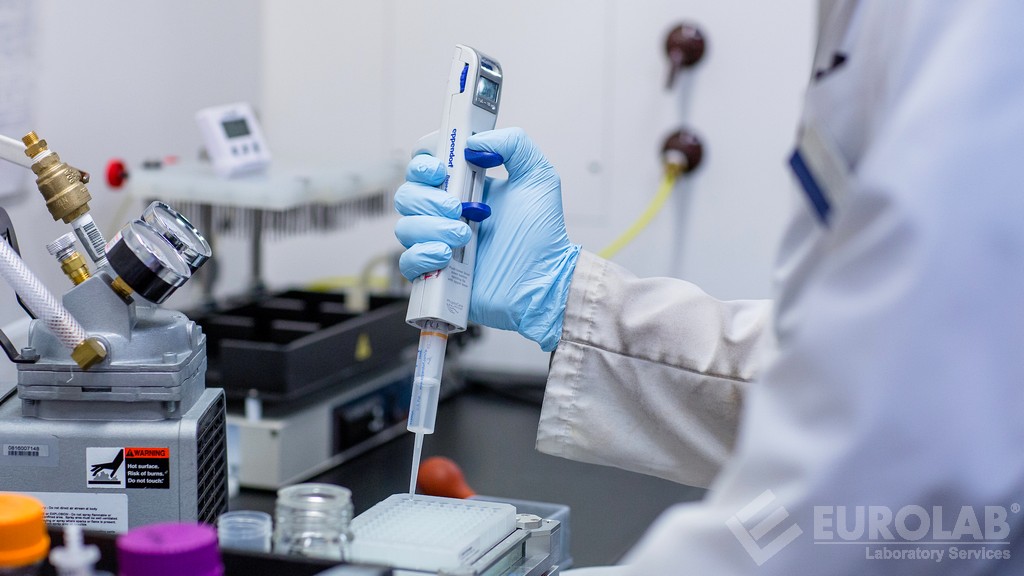
Organic certification involves several key stages, including verification of compliance with EU standards, inspection of production processes, documentation review, and ultimately, certification issuance. Laboratories like Eurolab play a pivotal role in this process by providing accurate testing to validate that agricultural products meet the necessary criteria for organic status.
The testing parameters are extensive and include not only chemical residue checks but also the presence of genetically modified organisms (GMOs), heavy metals, and pesticide residues. These tests ensure that the food products are safe for consumption and align with sustainability practices. For instance, the absence of synthetic fertilizers and pesticides is a fundamental requirement.
Moreover, organic certification requires thorough documentation of the entire production process from field to final product. This includes records of crop rotations, pest management strategies, and any additives used during processing. The laboratory’s role extends beyond testing; it involves providing expert advice on best practices for sample preparation to ensure accurate results. Proper sampling techniques are crucial in obtaining representative samples that reflect the true nature of the production process.
The importance of organic certification cannot be overstated. It enhances consumer trust and brand reputation, thereby boosting market competitiveness. By ensuring compliance with EU standards, laboratories like Eurolab contribute significantly to maintaining high quality and safety standards in the food industry. This not only supports sustainable agricultural practices but also ensures that consumers have access to safe and eco-friendly products.
The rigorous testing process encompasses a variety of methods tailored to specific categories of organic produce. For instance, leafy greens require different analytical approaches compared to grains or fruits due to their varying chemical compositions. Similarly, the presence of certain mycotoxins is more critical in cereals than in vegetables. Understanding these nuances allows for precise and reliable testing outcomes.
Another significant aspect of organic certification involves ensuring that all processed foods retain their natural state as much as possible. This means minimizing the use of synthetic additives and preservatives, which are strictly prohibited in organic food production. The laboratory must therefore be adept at identifying even trace amounts of these substances to maintain the integrity of the certification process.
The role of Eurolab extends beyond mere testing; it also includes educating stakeholders on best practices for achieving and maintaining organic certification. This involves providing training sessions, workshops, and guidelines on how to prepare samples correctly to avoid contamination or degradation during transit. Such initiatives are crucial in promoting consistent quality across the supply chain.
In conclusion, organic food certification is a multifaceted process that demands precision, expertise, and adherence to stringent standards. Laboratories like Eurolab contribute significantly by ensuring that each step of the certification process meets EU requirements. This commitment not only enhances consumer trust but also supports sustainable agricultural practices, making it an essential component of the food industry.
Benefits
Organic food certification offers numerous benefits to producers, consumers, and the environment alike. For producers, achieving organic certification opens up new markets and enhances brand reputation, leading to increased sales and customer loyalty. Consumers benefit from safer, more environmentally friendly products that are free from synthetic chemicals. This contributes to better health outcomes as there is a lower risk of exposure to harmful substances.
The environmental benefits of organic farming practices include reduced soil erosion, improved biodiversity, and minimized water pollution due to the absence of chemical pesticides and fertilizers. These sustainable methods promote healthier ecosystems and contribute to long-term agricultural viability. Additionally, organic certification can lead to cost savings for producers by reducing input costs associated with synthetic products.
For businesses, maintaining a certified organic product line ensures compliance with regulatory requirements, which can prevent costly legal disputes or recalls. It also helps in building strong relationships with eco-conscious customers and stakeholders who value sustainability. This alignment with global trends in sustainable consumption can provide a competitive edge in the marketplace.
Eurolab Advantages
At Eurolab, we pride ourselves on offering unmatched expertise and reliability in organic food certification services. Our team of highly qualified professionals ensures that each step of the certification process is meticulously handled to meet EU standards. With state-of-the-art facilities and advanced instrumentation, we provide accurate and timely results.
We understand the importance of sample preparation and have implemented stringent protocols to ensure that every sample collected accurately reflects the production processes. Our trained personnel are well-versed in best practices for handling organic samples, minimizing any potential contamination or degradation during transit.
The trustworthiness of our services is further bolstered by our adherence to international standards such as ISO 17025 and ISO/IEC 17020. These certifications ensure that our processes are reliable, accurate, and consistent across all tests. Our commitment to quality extends beyond compliance; we also provide ongoing support and education for producers seeking to maintain their organic certification.
Moreover, Eurolab offers comprehensive services that go beyond just testing. We offer consulting on production methods, training sessions for staff, and tailored recommendations to help businesses achieve and sustain their organic certification. Our goal is not only to meet current standards but also to anticipate future trends in sustainable food production.
Environmental and Sustainability Contributions
The contribution of organic food certification to environmental sustainability cannot be overstated. By promoting practices that avoid synthetic pesticides and fertilizers, organic farming significantly reduces the risk of water pollution and soil degradation. This approach fosters healthier ecosystems by supporting biodiversity and enhancing soil health.
Organic methods also contribute to carbon sequestration through better management of agricultural soils. These practices are aligned with the principles of regenerative agriculture, which seeks to restore degraded lands while improving yields over time. By adhering to these sustainable farming techniques, organic certification plays a crucial role in addressing climate change and promoting environmental stewardship.
The certification process itself ensures that all stages of production meet rigorous ecological standards. From seed selection through harvesting and processing, every aspect is reviewed meticulously to ensure compliance with EU regulations. This comprehensive approach not only maintains the integrity of individual products but also supports broader sustainability goals across the industry.
Additionally, organic food certification encourages transparency in supply chains by requiring detailed documentation of production processes. This traceability enhances consumer confidence while facilitating more informed decision-making among both producers and consumers. The commitment to sustainable practices strengthens the connection between farming communities and consumers, fostering greater awareness and appreciation for environmentally friendly agricultural methods.
In summary, organic food certification is integral to environmental sustainability efforts. By embracing sustainable production techniques and promoting transparency throughout supply chains, we can collectively work towards a more resilient and equitable food system that benefits all stakeholders involved.