
Vaccine Safety Certification
Ensuring vaccine safety is paramount in the global fight against infectious diseases. The certification process involves rigorous testing and evaluation to ensure that vaccines meet stringent standards for quality, purity, and efficacy before being released for public use. This service plays a critical role in safeguarding public health by mitigating risks associated with immunization programs.
The certification process begins with the selection of appropriate test methods and standards. ISO 12217-1, ASTM E4509, and IEC 62310 are among the international standards that guide the testing procedures for vaccines. These standards outline the necessary parameters to ensure that each vaccine batch is safe and effective.
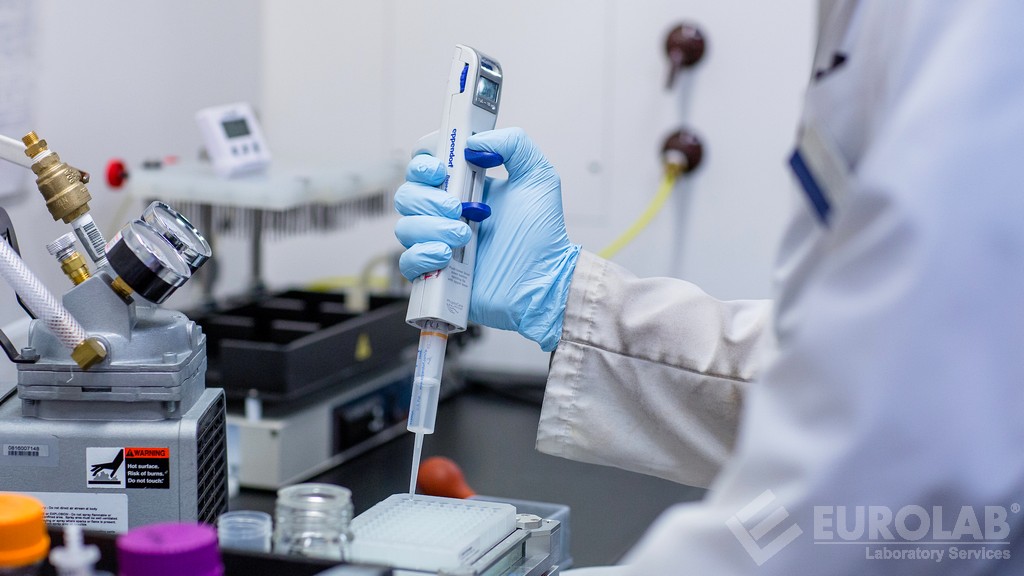
Our laboratory employs state-of-the-art facilities equipped with advanced instrumentation such as high-performance liquid chromatography (HPLC), gas chromatography-mass spectrometry (GC-MS), and microbiological growth chambers. These tools allow us to conduct thorough analyses of the chemical composition, purity, and stability of vaccines.
Specimen preparation is a critical step in the vaccine safety certification process. Samples are carefully prepared according to strict protocols to ensure accurate testing results. This includes dilution, extraction, and incubation steps that are essential for detecting potential contaminants or impurities.
The testing process involves multiple stages, each designed to evaluate different aspects of vaccine safety:
- Chemical analysis: Ensures the absence of harmful chemicals or additives
- Biological assessment: Evaluates the vaccine's ability to induce immune responses without causing adverse effects
- Microbial evaluation: Tests for the presence of bacteria, viruses, and other pathogens that could compromise safety
- Stability testing: Determines how well the vaccine maintains its efficacy over time under various storage conditions
The results from these tests are meticulously documented and reviewed by our team of experts. Compliance with international standards is a key requirement for successful certification, and we ensure that all reports meet these criteria.
Once the testing is complete, detailed reports are generated, outlining the findings and recommendations for any necessary adjustments to improve vaccine safety. These reports serve as critical documents for regulatory authorities and healthcare providers.
In conclusion, our vaccine safety certification service is dedicated to providing comprehensive and accurate assessments of vaccine quality. By adhering strictly to international standards and utilizing cutting-edge technology, we ensure that the vaccines released into circulation are safe and effective for public use.
Eurolab Advantages
At Eurolab, our commitment to excellence extends beyond mere compliance with regulations. We offer a range of advantages that set us apart in the field of vaccine safety certification:
- Experienced Professionals: Our team comprises highly skilled and experienced scientists and engineers who are experts in their respective fields.
- State-of-the-Art Facilities: Equipped with advanced instrumentation, our laboratories provide an ideal environment for conducting precise and accurate tests.
- Rigorous Quality Control: We maintain strict quality control measures throughout the entire testing process to ensure reliability of results.
- Comprehensive Reporting: Detailed reports are provided that not only meet regulatory requirements but also offer valuable insights into vaccine performance.
- Dedicated Customer Support: Our team is always available to answer questions and provide support, ensuring a seamless experience for our clients.
Our reputation for delivering accurate, reliable results has earned us the trust of pharmaceutical companies, regulatory bodies, and healthcare providers worldwide. We pride ourselves on being a partner in achieving global health goals through innovative testing solutions.
International Acceptance and Recognition
The certification of vaccines is recognized globally as a cornerstone of public health. Regulatory authorities such as the World Health Organization (WHO), European Medicines Agency (EMA), and U.S. Food and Drug Administration (FDA) all require rigorous safety assessments before approving vaccines for widespread use.
Our laboratory's certifications are widely accepted across various regions, ensuring that our clients can confidently present their products to international markets. The WHO prequalification process, which requires stringent testing and evaluation, is a testament to the reliability of our services. Compliance with these standards not only enhances market access but also builds trust among consumers.
Our laboratory has successfully obtained recognition from key regulatory bodies, including:
- WHO Prequalification: Certification indicating that vaccines meet WHO's criteria for quality, safety, and efficacy.
- EMA Approval: Regulatory approval granted by the European Medicines Agency.
- FDA Authorization: Approval given by the U.S. Food and Drug Administration.
The acceptance of our certifications in these global markets underscores the significance of our role in ensuring vaccine safety and efficacy worldwide.
Environmental and Sustainability Contributions
At Eurolab, we are committed to contributing positively to environmental sustainability. Our laboratory's operations are designed with both efficiency and responsibility in mind, minimizing waste and energy consumption while maximizing resource utilization.
- Eco-Friendly Practices: We use recycled materials where possible and implement waste reduction strategies throughout our facilities.
- Sustainable Energy Use: Our laboratories are equipped with energy-efficient systems that reduce overall electricity usage.
- Water Conservation: Water-saving measures are implemented to minimize the laboratory's impact on local water resources.
- Biohazard Waste Management: Proper handling and disposal of biohazardous materials ensure compliance with environmental regulations and protection of public health.
By adhering to these practices, we strive to reduce our carbon footprint and promote a more sustainable future. Our commitment extends beyond individual projects to include broader contributions to the environment through advocacy and collaboration with industry partners.