Sterile Product Certification
The certification of sterile products is a critical process ensuring that medical devices and pharmaceuticals meet stringent quality standards. Sterility assurance plays a pivotal role in maintaining public health, especially for items used in hospitals, clinics, or at home by patients. This service ensures the product remains free from any viable microorganisms throughout its shelf life under specified storage conditions.
The process involves several steps including but not limited to microbiological testing, packaging integrity checks, and aseptic processing. The final certification is based on compliance with international standards such as ISO 11135 and IEC 62304 for medical devices.
Our service aims at providing comprehensive sterile product certification that covers the entire lifecycle of the product from development to market launch. By adhering to strict protocols, we ensure that products meet not only regulatory requirements but also exceed customer expectations in terms of safety and efficacy.
The first step involves understanding the specific needs of each client and their products. This includes reviewing documentation, conducting site visits if necessary, and discussing any unique challenges or considerations for the particular product type. Next comes the selection of appropriate testing methods aligned with relevant standards like ISO 11737 series for medical devices.
Once the test plan is established, our team prepares samples according to standard procedures. This might involve cutting coupons from larger units if dealing with bulk manufacturing or ensuring that individual packages are representative of those expected in real-world use scenarios. Samples must be prepared without introducing contamination risks which could skew results.
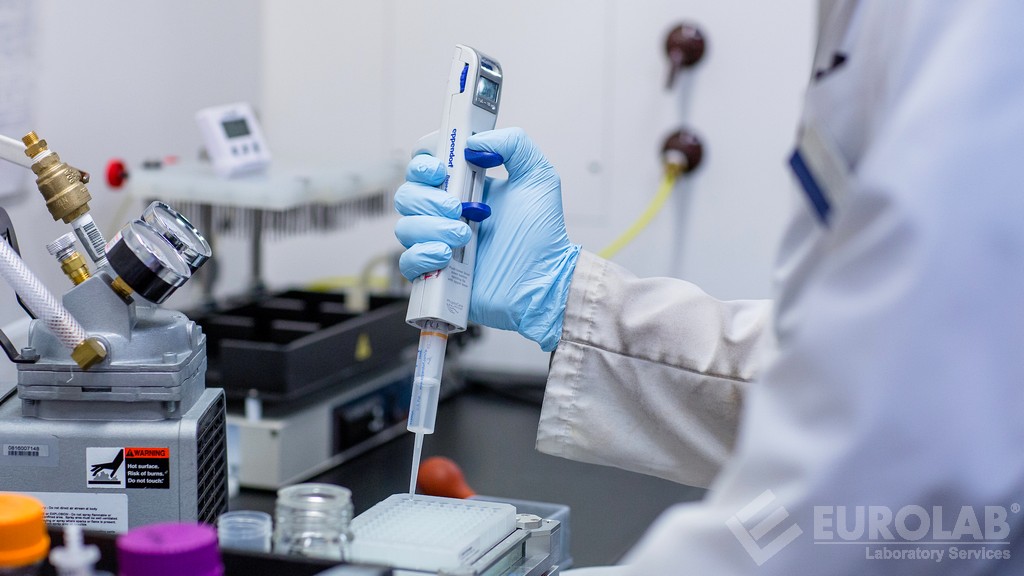
The actual testing process itself varies depending on the nature of the product being evaluated but typically includes inoculation tests where sterile samples are exposed to known contaminants followed by incubation periods during which any growth would indicate failure. If required, additional challenges such as thermal cycling may also be conducted to simulate harsh environmental conditions that might affect sterility.
After completion of all necessary evaluations, detailed reports are generated summarizing findings along with recommendations for improvement if needed. These documents serve both internal purposes within manufacturing facilities and external ones when seeking regulatory approvals or marketing clearances abroad.
In summary, our sterile product certification service offers a robust framework designed to safeguard patient health while facilitating compliance with global regulations. Through rigorous testing methods and adherence to best practices, we help ensure that every product leaves the facility safe for end-users.
Why It Matters
The importance of sterile product certification cannot be overstated given its direct impact on patient safety and overall healthcare quality. Ensuring medical devices and pharmaceuticals are free from harmful microorganisms is paramount, particularly considering the sensitive nature of these products.
Failure in maintaining sterility can lead to severe infections or even fatalities if the affected item comes into contact with a patient’s bloodstream. For instance, improperly sterilized surgical instruments have been linked to postoperative infections leading to prolonged hospital stays and increased mortality rates among patients undergoing major surgeries.
In addition to safeguarding individual health outcomes, sterile product certification also contributes significantly towards enhancing public trust in healthcare providers and organizations involved in manufacturing medical supplies. When consumers see that rigorous standards are being met, they feel more confident about the safety of products they purchase or receive during treatment.
From a business perspective, compliance with these stringent requirements protects companies from potential legal action due to product defects. It also opens up opportunities for international markets where strict regulatory bodies demand proof of sterility before allowing entry into their jurisdictions.
Beyond immediate benefits, investing in robust sterile product certification processes can drive innovation within industries by encouraging continuous improvement and exploration of new technologies aimed at achieving higher levels of purity and effectiveness.
Industry Applications
| Product Type | Testing Methodologies | Regulatory Compliance |
|---|---|---|
| Surgical Instruments | Aseptic Processing, Packaging Integrity Tests | ISO 11737-4:2016, IEC 62304 |
| Intravenous Solutions | Bacterial Endotoxin Testing, Pyrogenicity Tests | USP , ISO 80359 |
| Contact Lens Cases | Microbial Growth Inhibition Studies | ISO 11734:2018 |
| Blood Collection Devices | Tamper Evident Packaging Inspection, Sterility Testing | EN ISO 9605-1:2015 |
| Vaccines | Live Virus Challenge Tests | WHO Guidelines for Biological Products |
The table above highlights key applications across various sectors where sterile product certification is essential. Each entry reflects specific methodologies employed during testing and the corresponding international standards that govern them.
Surgical instruments, for example, undergo aseptic processing to eliminate all viable microorganisms while ensuring they remain intact for proper function. Packaging integrity tests ensure that packaging remains unbroken throughout distribution and storage phases protecting contents from contamination.
Intravenous solutions require bacterial endotoxin testing since even trace amounts of this substance can cause severe reactions in patients. Pyrogenicity tests further confirm the absence of pyrogens which could induce febrile responses when introduced into the bloodstream.
Contact lens cases need microbial growth inhibition studies to prevent mold or bacteria from growing inside them potentially causing ocular infections if used improperly.
Blood collection devices must have tamper evident packaging inspection to deter unauthorized access and ensure sterility. Sterility testing confirms that blood collected remains free of microorganisms until it reaches the laboratory for analysis.
Vaccines face stringent scrutiny including live virus challenge tests which expose vaccine batches to known pathogens to assess their efficacy against specific diseases. WHO guidelines provide a framework ensuring consistency in evaluating biological products globally.
Environmental and Sustainability Contributions
Sterile product certification contributes positively to environmental sustainability by promoting efficient use of resources during manufacturing processes while minimizing waste generation. By adhering strictly to established protocols, manufacturers can optimize production techniques reducing energy consumption without compromising on product quality.
The rigorous nature of sterile product certification encourages recycling initiatives within facilities since non-compliant items are discarded immediately rather than being incorporated into finished goods. This practice helps reduce landfill volumes and promotes circular economy principles.
Furthermore, by ensuring that products meet strict safety standards at every stage from raw material selection to final packaging, there is reduced likelihood of recalls or product returns post-launch. Such actions contribute significantly towards reducing carbon footprints associated with transportation and disposal activities.
In conclusion, sterile product certification not only enhances public health but also supports sustainable development goals by fostering responsible practices within industry ecosystems.