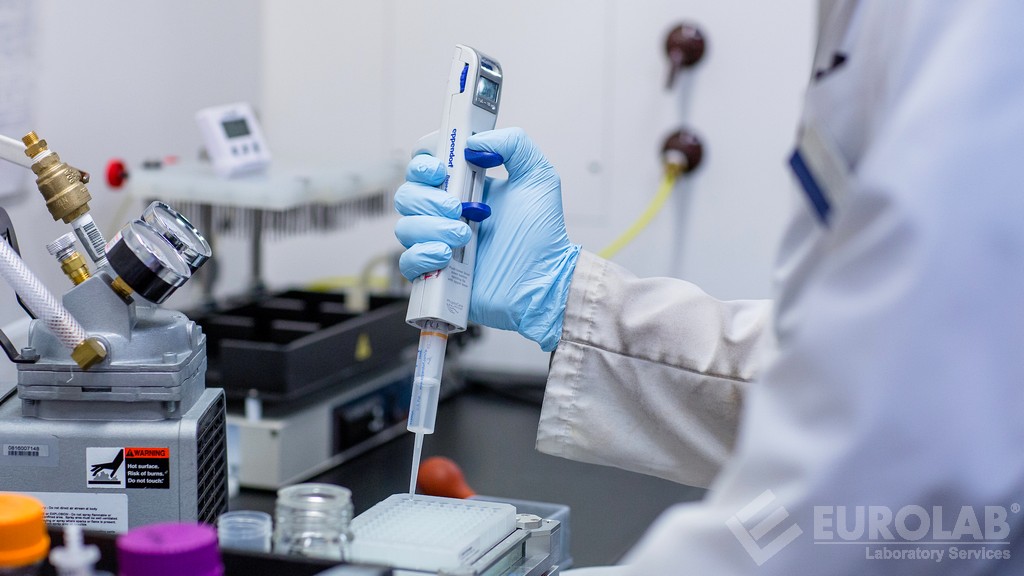

Cosmetic Safety Certification
The importance of Cosmetic Safety Certification cannot be overstated in today’s competitive and rapidly evolving beauty industry. Aesthetic products are designed to enhance personal appearance and well-being, but they must also ensure the health and safety of consumers. Regulatory bodies around the world have established stringent guidelines and standards that manufacturers and distributors must adhere to before placing cosmetic products on the market.
The certification process involves a comprehensive suite of tests aimed at ensuring the safety and quality of cosmetics. These tests evaluate various aspects such as skin irritation, eye irritation, allergens, formaldehyde releasers, heavy metals, and microbiological contaminants. Compliance with these standards not only protects consumers but also builds consumer trust and enhances brand reputation.
In many countries, including Europe (EU), the United States (FDA), Japan, and China, there are specific regulations that govern cosmetic safety. For instance, the EU’s Cosmetics Regulation requires all finished cosmetic products to be registered with the European Chemicals Agency before being sold in the market. Similarly, FDA regulations mandate that cosmetics be safe for their intended use without causing harm when used as directed.
The certification process typically begins with a thorough review of product ingredients and formulations by qualified toxicologists and chemists. This review ensures that any potentially harmful substances are identified and addressed early in the development stage. Following this, physical and chemical tests may be conducted to evaluate the stability, pH levels, and compatibility of the product.
Microbiological testing is another crucial aspect of cosmetic safety certification. This involves assessing the presence of bacteria, fungi, and viruses that could cause infections or other health issues. Testing for preservatives and stabilizers ensures that these substances are effective in preventing spoilage while remaining safe for human use. Additionally, packaging materials undergo scrutiny to ensure they do not leach harmful chemicals into the product.
The final step in obtaining cosmetic safety certification is generating a detailed report summarizing all test results. This report serves as documentation of compliance with relevant regulations and standards, providing assurance to consumers that the product meets stringent quality and safety criteria. It also helps manufacturers meet regulatory requirements and avoid potential legal issues.
Obtaining Cosmetic Safety Certification has numerous benefits for businesses operating in the cosmetic sector. Firstly, it enhances brand credibility by demonstrating a commitment to consumer health and well-being. Secondly, it facilitates smoother compliance with international regulations, thereby reducing the risk of non-compliance penalties. Thirdly, certification can open up new markets and opportunities for growth, particularly in regions where stringent safety standards are enforced.
In summary, Cosmetic Safety Certification is an essential component of any cosmetic manufacturing or distribution strategy. By ensuring that products meet rigorous safety and quality benchmarks, businesses not only protect their consumers but also safeguard their own reputation and long-term success. Understanding the intricacies of this certification process empowers stakeholders to make informed decisions that align with industry best practices.
Why It Matters
The necessity of Cosmetic Safety Certification lies in its role as a critical barrier against potential risks associated with cosmetic use. Consumers expect products they purchase and apply to their skin or hair to be safe, effective, and free from harmful contaminants. Regulatory authorities worldwide enforce strict guidelines to ensure that these expectations are met.
Failure to comply with these standards can lead to severe consequences for both consumers and manufacturers. For instance, defective or unsafe cosmetics may cause adverse reactions such as dermatitis, infections, or even more serious health issues like cancer. Such incidents not only harm individuals but also tarnish brand reputations and damage market goodwill.
From a business perspective, non-compliance with Cosmetic Safety Certification can result in hefty fines, product recalls, and loss of consumer trust. These repercussions can significantly impact sales figures and investor confidence. Therefore, investing in robust safety certification processes is not merely advisable but imperative for any entity involved in the cosmetic industry.
Moreover, compliance with international standards such as those set by ISO, ASTM, EN, IEC, and others offers additional advantages beyond mere regulatory adherence. These global certifications enhance market access opportunities by aligning local products with internationally recognized benchmarks. This alignment fosters trust among consumers who are increasingly aware of the importance of quality assurance.
In conclusion, prioritizing Cosmetic Safety Certification underscores a company’s dedication to excellence and responsibility towards its customers. It ensures that every product released meets high standards of safety, thus contributing positively to public health while maintaining sustainable business practices.
Benefits
- Enhanced Consumer Trust: Compliance with stringent safety certification instills confidence in consumers about the quality and reliability of cosmetic products.
- Market Access Expansion: Meeting international standards broadens market reach by enabling entry into diverse geographic regions.
- Regulatory Compliance: Ensures adherence to local laws and regulations, minimizing legal risks associated with non-compliance.
- Increased Brand Reputation: A certified brand enjoys enhanced prestige and is perceived as more trustworthy and reliable.
- Potential for Innovation: The rigorous testing process encourages continuous improvement in product formulation and safety measures.
- Economic Stability: By avoiding costly penalties and recalls, businesses maintain financial stability and operational efficiency.
- Sustainable Practices: Certification often promotes sustainable ingredient sourcing and manufacturing processes, aligning with environmental conservation efforts.
The aforementioned benefits collectively contribute to a more robust cosmetic industry characterized by innovation, trustworthiness, and sustainability. These advantages underscore the value proposition of pursuing Cosmetic Safety Certification for all stakeholders involved in this sector.