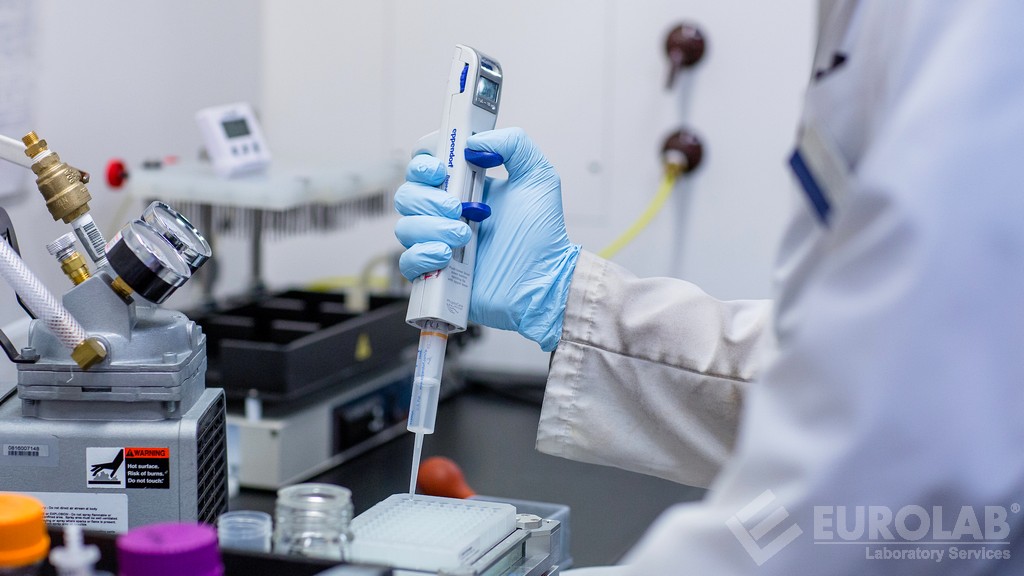

Hypoallergenic Product Certification
Understanding hypoallergenic products is crucial in today's environment where consumer health and safety are paramount. Hypoallergenic products, designed to minimize allergic reactions in sensitive individuals, play a significant role in sectors such as cosmetics, pharmaceuticals, and household cleaning. This service ensures that the products meet stringent standards for allergen content and composition.
The certification process involves rigorous testing to ensure that the products do not contain common allergens known to trigger adverse responses. These tests are conducted using a variety of methods tailored to the specific product type. For instance, cosmetic products may undergo patch testing on volunteers or in vitro assays to evaluate their potential for causing skin irritation and allergic contact dermatitis.
Pharmaceuticals might require allergen-free manufacturing processes and environmental controls to prevent contamination with common allergens like milk, egg, peanuts, tree nuts, fish, shellfish, soy, and wheat. Household cleaning products could be tested for their compatibility with various surfaces and the presence of irritants.
Accurate testing is critical in ensuring that certified hypoallergenic products meet industry standards, such as ISO 21029-5:2018 and ASTM D6453. These standards provide specific guidelines on how to conduct tests to determine the allergen content of a product. Compliance with these standards not only enhances consumer trust but also ensures that companies remain competitive in an increasingly health-conscious market.
The certification process includes sample preparation, which involves diluting or extracting potential allergens from the product matrix. Specimen preparation is followed by instrumental analysis using techniques such as high-performance liquid chromatography (HPLC), mass spectrometry (MS), and enzyme-linked immunosorbent assay (ELISA). These methods provide precise quantification of allergenic components, allowing for accurate certification.
Once the tests are complete, a detailed report is generated. This report includes all test results, along with any necessary recommendations or modifications to ensure compliance with hypoallergenic standards. It also provides information on the specific allergens detected and their concentrations, helping manufacturers improve product formulations for future versions.
By providing this certification service, we empower quality managers, compliance officers, R&D engineers, and procurement teams to make informed decisions regarding the safety and efficacy of hypoallergenic products. This service is a cornerstone in protecting consumer health while maintaining market integrity.
Why It Matters
Hypoallergenic certification matters because it addresses an essential need for consumers with allergies or sensitivities. By ensuring that products are free from common allergens, this service helps protect individuals who might otherwise experience severe reactions. This is particularly important in sectors such as cosmetics and pharmaceuticals where the potential for adverse effects can be life-threatening.
The certification process also enhances brand reputation and consumer trust. Consumers increasingly seek out hypoallergenic products to avoid triggers that cause them discomfort or exacerbate existing conditions. By offering this service, we help companies meet these demands and build a loyal customer base.
From an ethical standpoint, hypoallergenic certification is crucial for ensuring the well-being of consumers. It demonstrates a commitment to safety and quality, which are fundamental values in any responsible business practice. This service not only protects individual health but also contributes to a safer environment for all.
The process of certification ensures that products meet international standards such as ISO 21029-5:2018 and ASTM D6453. These standards provide clear guidelines on how to conduct tests accurately, ensuring consistency and reliability in the certification process. By adhering to these standards, we contribute to a more transparent and trustworthy industry.
The certification service also supports regulatory compliance, which is essential for companies operating across multiple jurisdictions. Regulatory bodies often require proof of hypoallergenicity as part of their approval processes. By providing this service, we help ensure that our clients meet these requirements, minimizing the risk of non-compliance and potential legal issues.
Environmental and Sustainability Contributions
- Reduced Waste: By ensuring products are hypoallergenic, we reduce the likelihood of consumer returns or product recalls due to adverse reactions. This minimizes waste associated with such incidents.
- Eco-Friendly Formulations: Hypoallergenic certifications often encourage the use of eco-friendly ingredients that are less harsh on the environment.
- Sustainable Practices: The rigorous testing and formulation processes involved in certification can lead to more sustainable manufacturing practices, reducing overall environmental impact.
Competitive Advantage and Market Impact
Hypoallergenic product certification provides a significant competitive advantage by allowing companies to differentiate themselves in the market. In an increasingly health-conscious world, consumers are more likely to choose products that meet their specific needs, such as those labeled as hypoallergenic.
By offering this service, we help companies tap into niche markets and cater to a growing segment of consumers with allergies or sensitivities. This can lead to increased market share and customer loyalty. The certification also enhances brand reputation, making it easier for companies to attract new customers and retain existing ones.
The certification process itself contributes to sustainability by promoting the use of eco-friendly materials and practices in product development. This not only aligns with consumer preferences but also helps companies comply with environmental regulations.
Moreover, compliance with international standards such as ISO 21029-5:2018 and ASTM D6453 can open up new market opportunities for companies seeking to expand their reach globally. Regulatory bodies in different countries often recognize certifications from internationally recognized organizations, simplifying the process of obtaining approvals in foreign markets.