Biocompatibility Certification
Biocompatibility certification is a critical process in ensuring that medical devices and implants do not cause adverse reactions when used within the human body. This certification assures manufacturers, healthcare providers, and regulatory bodies that their products meet stringent safety standards, thereby protecting public health.
The importance of biocompatibility cannot be overstated, especially given the increasing demand for advanced medical technologies. As society continues to advance towards more innovative solutions in healthcare, ensuring these devices are safe for human use is paramount. This certification process involves rigorous testing and evaluation based on international standards such as ISO 10993.
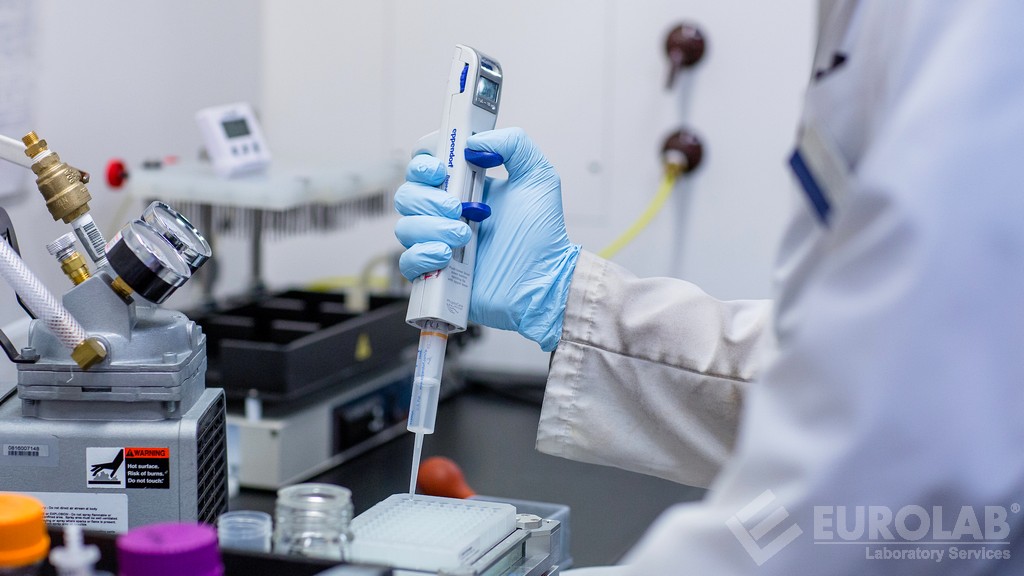
Our lab specializes in providing comprehensive biocompatibility certification services that include everything from initial consultation to final report issuance. We partner closely with our clients to understand their specific needs, ensuring a tailored approach to each project. Our team of experts employs cutting-edge techniques and methodologies to conduct thorough assessments, which help identify potential risks early on.
One key aspect of biocompatibility certification is understanding the biological interactions between materials and tissues within the body. This involves examining various parameters such as cytotoxicity, irritation, allergic response, hemocompatibility, mutagenicity, and more. By closely monitoring these factors during testing, we can provide reliable data that supports regulatory compliance.
Another crucial component of our service is ensuring that all procedures adhere strictly to relevant international standards like ISO 10993-1 through -25. These guidelines offer detailed instructions on how to conduct biocompatibility assessments effectively and consistently across different laboratories worldwide. Adherence to these standards ensures consistency in results, enhancing trust among stakeholders.
Moreover, our laboratory follows strict quality control measures throughout the entire certification process. From sample preparation through final analysis, every step is meticulously documented and reviewed by experienced professionals. This approach guarantees accuracy and reliability of test results while also fostering transparency between us and our clients.
In addition to technical expertise, we emphasize clear communication with all parties involved. Regular updates are provided during the certification process so that both internal teams and external partners remain informed about progress and any necessary adjustments. Transparent collaboration helps build strong relationships based on mutual understanding and respect.
Our commitment extends beyond just meeting regulatory requirements; we strive to exceed expectations by offering exceptional service supported by advanced analytical tools and experienced personnel. By leveraging this combination, we aim not only to meet but also to surpass industry benchmarks for biocompatibility certification.
Applied Standards
- ISO 10993-1: Biological evaluation of medical devices—Part 1: Evaluation and testing within a risk management process
- ISO 10993-5: Biological evaluation of medical devices—Part 5: Cytotoxicity testing
- ISO 10993-10: Biological evaluation of medical devices—Part 10: In vitro pyrogenicity testing
- ISO 10993-11: Biological evaluation of medical devices—Part 11: In vivo and in vitro irritation tests for medical devices intended to come into contact with the skin or mucous membranes
- ISO 10993-22: Biological evaluation of medical devices—Part 22: Systematic assessment of allergenic potential (allergen test)
The application of these internationally recognized standards ensures that our biocompatibility certification services are consistent, reliable, and compliant with global regulatory requirements. By adhering strictly to these guidelines, we provide assurance that the products under evaluation meet or exceed industry expectations.
Scope and Methodology
The scope of our biocompatibility certification services encompasses a wide range of medical devices, implants, and materials intended for use within human bodies. Our team of experts works closely with clients to determine the most appropriate testing protocols based on the specific characteristics of each product.
Our methodology typically begins with an initial consultation where we gather detailed information about the device or material in question. This includes its composition, expected uses, and any relevant regulatory requirements. Based on this input, our team develops a customized test plan tailored to meet both internal needs and external expectations.
The next step involves preparing the necessary specimens according to established protocols. For example, if we are evaluating an implant, we must ensure that the sample accurately represents how it will be used in practice. Proper preparation is crucial for obtaining accurate results during testing.
Once prepared, the samples undergo a series of tests designed to assess various aspects of biocompatibility. These may include cytotoxicity studies, irritation assessments, hemocompatibility evaluations, and more. Each test aims at identifying potential adverse effects that could arise from prolonged contact with biological tissues or fluids.
Throughout this process, we maintain strict adherence to relevant international standards such as ISO 10993-1 through -25. Compliance ensures consistency in methodology across different laboratories and enhances trust among all stakeholders involved.
After completing the required tests, our team analyzes the collected data thoroughly before drafting a final report summarizing findings and conclusions. This document serves multiple purposes: it informs potential users about any identified risks; supports regulatory submissions when necessary; and provides valuable insights for further development efforts if needed.
We also emphasize clear communication throughout the entire certification process, offering regular updates to keep both internal teams and external partners informed about progress and any required modifications. Transparent collaboration fosters strong relationships built on mutual understanding and respect.
Environmental and Sustainability Contributions
- Eco-friendly Testing Procedures: We utilize eco-conscious practices in our testing processes, minimizing waste generation and energy consumption.
- Reduction of Chemical Usage: By optimizing sample preparation methods, we reduce the amount of chemicals required for testing without compromising accuracy or precision.
- Recycling of Materials: Whenever possible, we recycle unused materials from previous tests to minimize environmental impact.
By incorporating these sustainable practices into our biocompatibility certification services, we contribute positively towards reducing the overall ecological footprint associated with medical device testing and development. These efforts align closely with broader sustainability goals within healthcare industries worldwide.