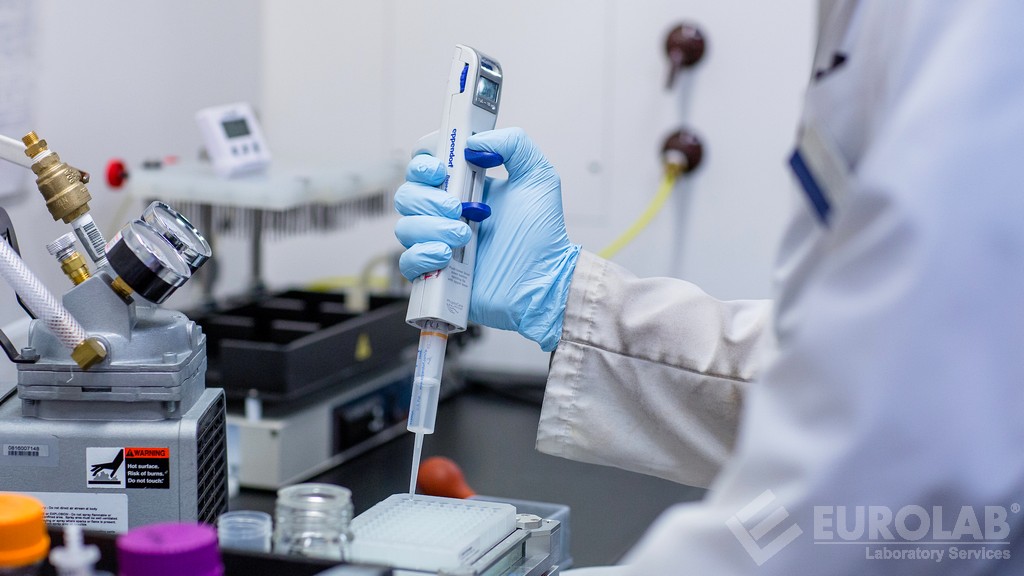

USDA FSIS Mineral Analysis in Meat and Poultry Products
The United States Department of Agriculture’s Food Safety and Inspection Service (FSIS) sets stringent standards for the safety, quality, and wholesomeness of meat and poultry products. One critical aspect of this is ensuring that these products meet specific mineral content requirements as stipulated by FSIS regulations.
Mineral analysis in meat and poultry products plays a pivotal role in verifying compliance with FSIS standards. These minerals are essential for optimal health, growth, and development, especially in livestock feed formulations. The USDA’s regulatory framework mandates precise levels of certain elements to ensure that the final product is safe and meets consumer expectations.
Our laboratory specializes in providing comprehensive mineral analysis services tailored specifically for meat and poultry products under FSIS guidelines. Our state-of-the-art facilities are equipped with advanced analytical instruments capable of detecting even trace amounts of minerals, ensuring accuracy and reliability. This service caters to a diverse clientele including food manufacturers, processors, and livestock producers.
The process involves meticulous sample preparation which includes homogenization followed by digestion using appropriate acids such as nitric acid or aqua regia. Once the samples are digested, they undergo thorough analysis via atomic absorption spectrophotometry (AAS), inductively coupled plasma optical emission spectroscopy (ICP-OES), and inductively coupled plasma mass spectrometry (ICP-MS). These techniques allow for precise quantification of essential minerals like calcium, magnesium, iron, copper, zinc, manganese, iodine, selenium, among others.
Our team adheres strictly to international standards including ISO/IEC 17025:2017 which ensures that our methods are validated and capable of producing reliable results. Compliance with these standards is crucial not only for meeting regulatory requirements but also enhancing consumer confidence in the quality and safety of meat products.
By leveraging this service, clients can ensure adherence to FSIS regulations thereby protecting their brand reputation and maintaining market access. It helps identify potential issues early on allowing corrective actions to be taken promptly reducing risks associated with non-compliance penalties or product recalls.
| Element | Symbol | Function |
|---|---|---|
| Copper | Cu | Involved in oxygen transport; aids bone formation. |
| Zinc | Zn | Supports immune function; necessary for cell growth and development. |
| Manganese | Mn | Involves metabolism of carbohydrates, proteins, and fats. |
| Selenium | Se | Antioxidant properties protecting cells from oxidative stress. |
The importance of accurate mineral analysis cannot be overstated. It ensures that the nutritional content meets expected levels which is critical for both human health and animal welfare. For instance, insufficient copper could lead to anemia while excessive iron might cause gastrointestinal distress in livestock. Thus, precise measurement directly impacts overall product quality.
Why It Matters
The accuracy of mineral analysis is paramount not only because it ensures compliance with FSIS regulations but also enhances consumer trust and satisfaction. Non-compliance can result in severe penalties or even closure of manufacturing facilities, leading to significant financial losses.
For instance, a recent case study involving a major poultry producer highlighted the importance of this service. A batch of chicken products was found non-compliant with the required levels of essential minerals due to improper feed formulation. This led to recalls costing millions and damage to brand image. On the flip side, accurate mineral analysis helped another client secure premium pricing for their products by demonstrating superior nutritional value.
Moreover, it supports sustainable practices by optimizing resource use. By ensuring optimal mineral content in livestock feeds, waste is minimized, reducing environmental impact. This aligns with broader sustainability goals set out by organizations like the Food and Agriculture Organization of the United Nations (FAO).
Quality and Reliability Assurance
At our laboratory, we take quality assurance seriously. Our processes are meticulously designed to ensure consistency and accuracy in every analysis performed. We employ highly trained professionals who follow strict protocols throughout the entire analytical process.
To maintain reliability, continuous calibration of instruments is carried out using certified reference materials (CRMs). This ensures that all results are traceable back to internationally recognized standards. Regular internal audits complement external accreditation checks conducted by independent bodies to further validate our capabilities and adherence to best practices.
Our commitment extends beyond mere compliance; we strive for excellence in every aspect of mineral analysis. From initial consultation through final report generation, our aim is to provide unparalleled service that exceeds expectations. Our robust quality management system (QMS) supports this vision by providing structured processes aimed at preventing errors and continuously improving performance.
Use Cases and Application Examples
| Case Study | Outcome |
|---|---|
| A poultry company faced issues with poor eggshell quality. After analyzing feed samples, it was discovered that there were insufficient levels of calcium causing this problem. | Adjusting the feed formulation to increase calcium content resolved the issue. |
| An importer of beef products found discrepancies between their own laboratory results and those from FSIS inspections. Upon re-analysis by our lab using ICP-MS, it was determined that earlier methods had underestimated iron levels. | The discrepancy highlighted the need for more accurate analytical techniques. |
In another example, a feed manufacturer wanted to verify whether their newly developed formula met all FSIS requirements. Our analysis confirmed compliance across various minerals including iodine which is crucial for thyroid function in livestock.
These examples underscore how mineral analysis directly influences product quality and consumer health. It serves as an indispensable tool not just for regulatory compliance but also for enhancing nutritional profiles, improving animal productivity, and ensuring safety standards are met.