Textile Product Safety Certification
In today’s global marketplace, ensuring textile product safety is paramount. Consumers expect products that are not only stylish and functional but also safe for use. The certification process plays a crucial role in meeting these expectations by providing assurance that textiles comply with international standards and regulations.
The process of obtaining textile product safety certification involves several key steps: sample preparation, testing against relevant standards, documentation review, and finally, the issuance of a certificate. This ensures that all products meet stringent quality and safety requirements set forth by regulatory bodies around the world.
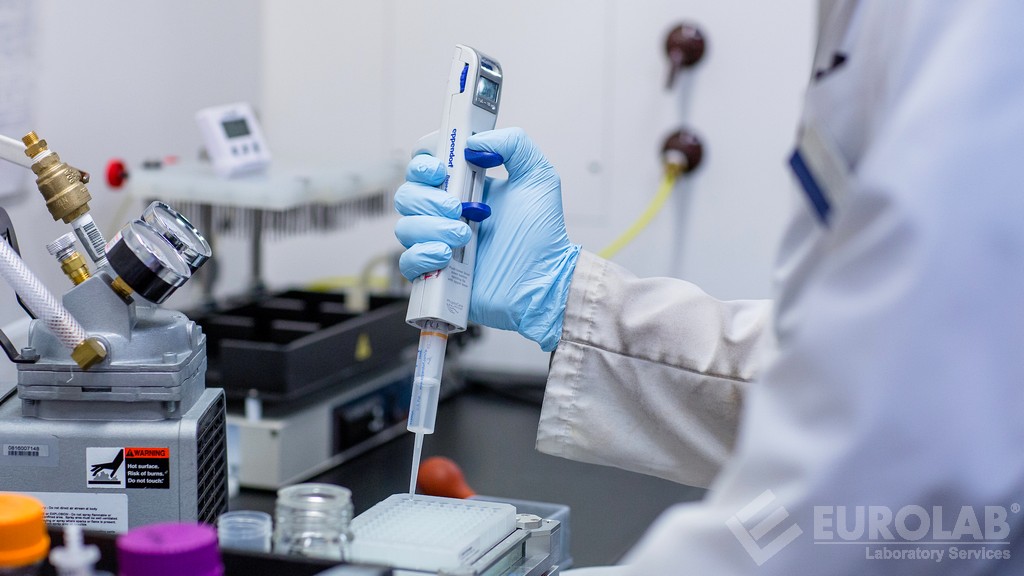
Our laboratory is equipped with state-of-the-art facilities designed specifically for textile product safety certification services. We utilize advanced testing equipment such as tensile testers, abrasion machines, flammability testers, and more to ensure accurate results. Our team of experts uses their extensive knowledge and experience to guide clients through the entire process from start to finish.
The importance of this service cannot be overstated; it helps protect both consumers and manufacturers by preventing potentially harmful products from reaching the market. By adhering to strict guidelines, we help ensure that every product meets or exceeds international standards for safety and quality.
At our laboratory, we pride ourselves on offering comprehensive textile product safety certification services tailored specifically to meet individual client needs. Whether you are looking to comply with specific regulations or simply want peace of mind knowing your products are safe, we have the expertise and resources necessary to assist you in achieving your goals.
Benefits
- Enhanced Consumer Confidence: By obtaining certification, manufacturers can reassure consumers that their products meet rigorous safety standards.
- Increased Market Access: Many countries require imported textiles to be certified as safe before they are allowed into the country. Obtaining such certifications opens up new markets for your business.
- Competitive Advantage: In a crowded market, being able to demonstrate compliance with international standards can set you apart from competitors who do not offer this service.
- Reduced Liability Risks: With certification comes protection against potential legal actions related to product liability lawsuits due to non-compliance issues.
- Improved Brand Reputation: Consumers increasingly value brands that prioritize safety and quality. Certification helps build trust with your customers, which can lead to increased brand loyalty.
Industry Applications
The textile industry spans a wide range of sectors including fashion, home textiles, automotive interiors, and industrial fabrics. Each sector has its unique challenges when it comes to ensuring product safety.
- Fashion: Ensuring that clothing items are free from harmful chemicals such as formaldehyde or heavy metals is essential in this sector. Additionally, flame retardants used in garments must comply with strict flammability standards.
- Home Textiles: Upholstered furniture and curtains often require stringent testing for flammability and durability to ensure they meet fire safety regulations.
- Automotive Interior Fabrics: Materials used in vehicles need to be tested not only for their structural integrity but also for resistance to UV light, heat aging, and other environmental factors that may affect performance over time.
- Industrial Fabrics: These textiles must withstand harsh conditions such as extreme temperatures, chemicals exposure, and mechanical stress. Certifying these fabrics ensures they are fit for purpose in demanding environments like oil rigs or construction sites.
Customer Impact and Satisfaction
Our clients have consistently praised our textile product safety certification service, highlighting several key impacts:
- Increased Sales: Many customers report an increase in sales after obtaining certification, as it reassures potential buyers about the quality and safety of their products.
- Better Relationships with Suppliers: By ensuring that all inputs into production meet required standards, companies can maintain better relationships with suppliers while reducing risks associated with substandard materials.
We understand that customer satisfaction is at the heart of every successful business relationship. That's why we strive to exceed expectations by providing accurate results in a timely manner. Our friendly and knowledgeable staff are always available to answer questions or provide additional support whenever needed.