
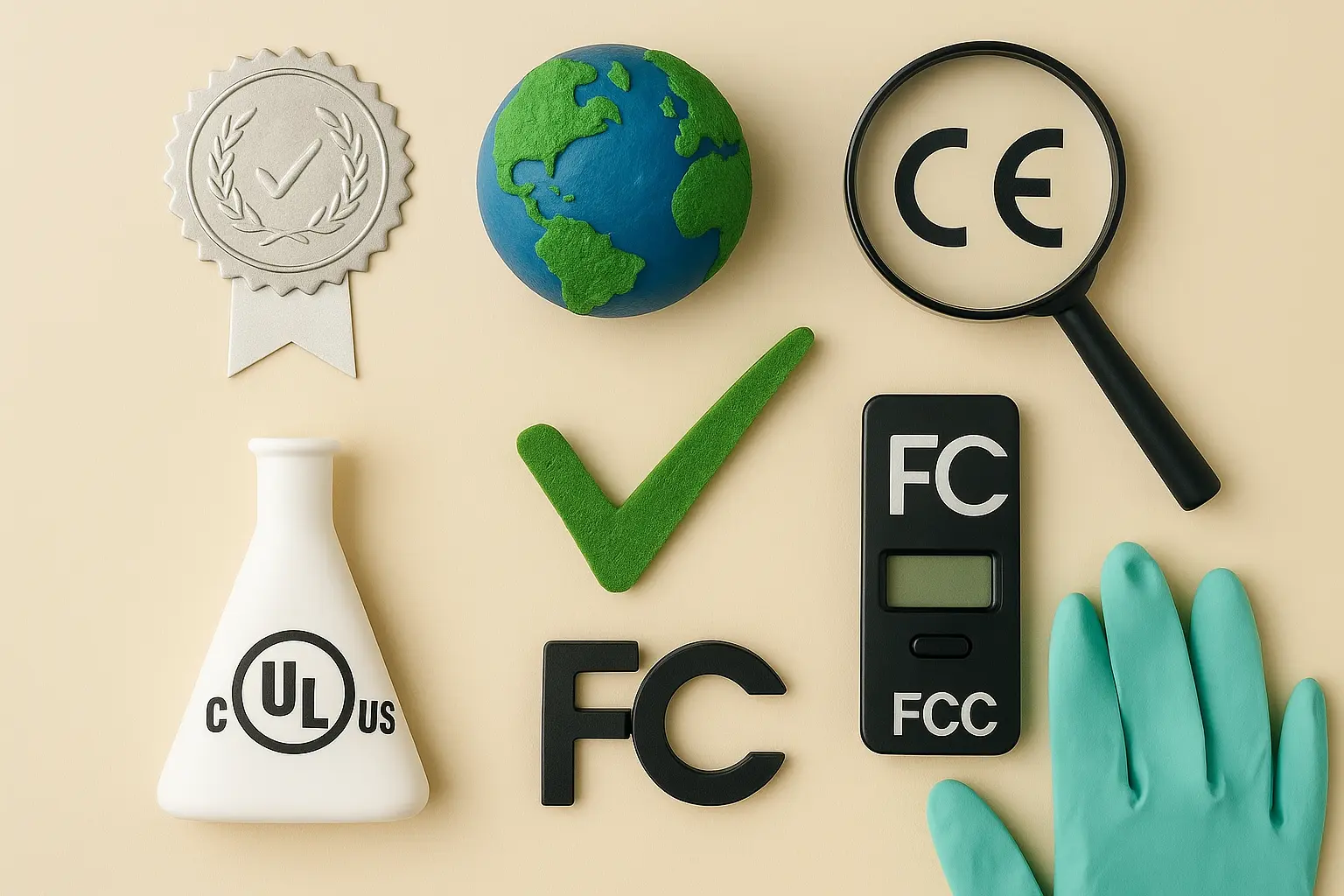
Electrical Product Safety Certification
In today’s rapidly evolving electrical product market, ensuring safety and compliance with international standards is paramount. Electrical products must meet stringent requirements to protect users from potential hazards such as electric shock, fire risks, and other dangerous conditions. This section provides an in-depth overview of Electrical Product Safety Certification, explaining its importance, the process involved, and the benefits it offers.
The certification process ensures that electrical products are safe for use under normal operating conditions. Regulatory bodies worldwide enforce these standards to protect public health and safety. Compliance with these regulations is a legal requirement in most countries, making Electrical Product Safety Certification an essential step for manufacturers and distributors.
The first step involves thorough product evaluation against relevant international standards such as ISO 9774-1, which covers the general requirements for electrical safety of household appliances. The evaluation process includes detailed inspections, functional tests, and performance checks to ensure that the product meets all specified criteria.
Once the initial assessment is complete, the laboratory conducts a series of tests to verify compliance with these standards. These tests may include:
- Insulation resistance testing
- Ground fault current limiting (GFCL) evaluation
- Overload protection verification
- Fuse and circuit breaker performance checks
The laboratory also ensures that the product is marked appropriately with warning labels, certifications, and other relevant information to guide safe use. This not only protects consumers but also demonstrates a commitment to quality and compliance.
For products intended for export, Electrical Product Safety Certification often extends beyond local regulations to include adherence to international standards like the ASTM, IEC, and EN Standard. This ensures that products meet the specific requirements of multiple markets, thereby facilitating easier entry into international trade.
The process culminates in the issuance of a certificate attesting to the product’s compliance with all necessary standards. This certification is crucial for ensuring that electrical products are safe and reliable, thus fostering trust among consumers and regulatory bodies alike.
International Acceptance and Recognition
The global nature of the electrical product market means that Electrical Product Safety Certification must be recognized across borders. Many countries have harmonized their regulations with international standards to streamline compliance for manufacturers and reduce barriers to trade.
Certifications like those issued by internationally recognized bodies such as Underwriters Laboratories (UL), the Canadian Standards Association (CSA), and the European Conformity (CE Marking) are widely accepted. For instance, a CE Mark indicates that the product meets essential requirements for health, safety, and environmental protection.
Recognition of these certifications not only simplifies compliance but also enhances a company’s reputation in the global market. It demonstrates that the manufacturer adheres to high standards of quality and safety, which is crucial for gaining market share in competitive industries.
The acceptance of certifications across borders can significantly reduce the time and cost associated with re-certifying products for different markets. This streamlined process allows companies to focus on innovation rather than navigating complex regulatory landscapes.
Environmental and Sustainability Contributions
Besides ensuring safety, Electrical Product Safety Certification also plays a crucial role in promoting environmental sustainability. By adhering to stringent standards, manufacturers can reduce the risk of product-related accidents that might lead to waste generation or increased energy consumption.
- Energy Efficiency: Products certified under international standards often exhibit superior energy efficiency, reducing overall electricity consumption and associated greenhouse gas emissions.
- Material Selection: Compliance with safety regulations encourages the use of non-toxic materials that are easier to recycle or dispose of safely at the end of their lifecycle.
- Reduced Waste: Safe products contribute to reduced waste in landfills, as users are less likely to discard them prematurely due to safety concerns.
The certification process itself promotes sustainability by encouraging manufacturers to design products with a longer lifespan and easier repairability. This not only benefits the environment but also contributes positively to a company’s brand image and customer loyalty.
Competitive Advantage and Market Impact
Obtaining Electrical Product Safety Certification offers significant competitive advantages in the marketplace. Compliance with international standards is increasingly becoming a prerequisite for market entry, especially in regions with stringent regulatory frameworks.
Companies that invest in safety certification stand out to potential customers and distributors by demonstrating their commitment to quality and user safety. This can translate into increased customer trust and brand loyalty, which are critical factors in today’s highly competitive market.
Furthermore, obtaining certifications like CE Marking or UL listings opens doors to international markets, where compliance with these standards is mandatory. This allows companies to expand their reach and tap into new consumer bases, thereby boosting sales and market share.
The process of certification also provides valuable insights into product performance and areas for improvement. These insights can be leveraged to enhance future product iterations, leading to innovations that not only meet but exceed regulatory requirements.