Packaging Safety Certification
The importance of packaging safety cannot be overstated. In industries ranging from pharmaceuticals to food production, and even consumer goods, packaging plays a crucial role in ensuring product integrity, protecting consumers, and meeting regulatory requirements. Packaging safety certification is a critical process that ensures the structural integrity, durability, and compatibility of materials used in packaging.
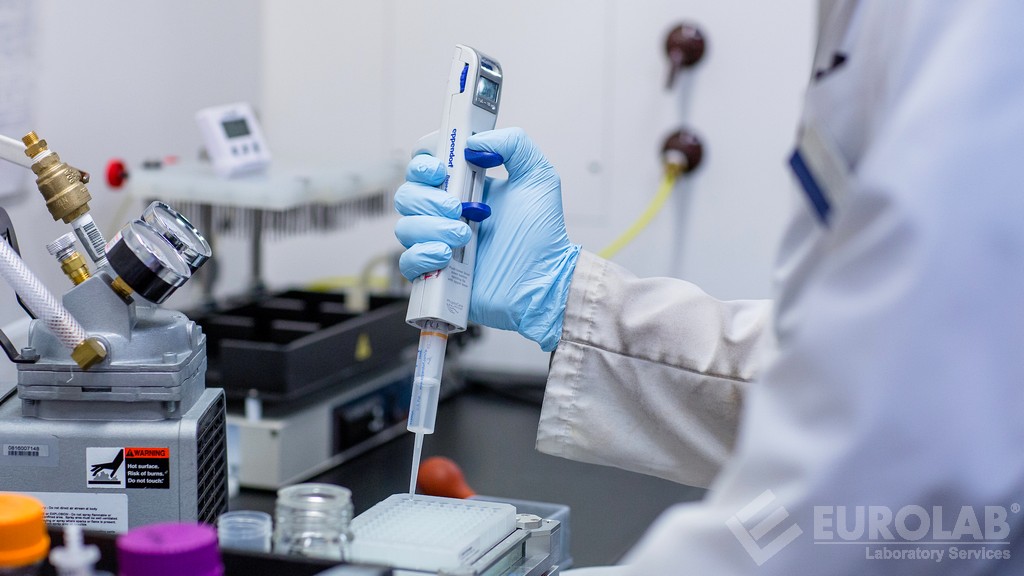
Our laboratory specializes in providing comprehensive packaging safety certification services tailored to meet the specific needs of various sectors including pharmaceuticals, food & beverage, and consumer goods. We employ state-of-the-art equipment and methodologies to assess the performance of different types of packaging under a wide range of environmental conditions.
One key aspect of our service is the evaluation of material compatibility. This involves assessing how different materials interact with each other during storage or transit, ensuring that no harmful substances migrate from one component to another. Another important factor we consider is barrier properties, which are essential for protecting contents against moisture, oxygen, and light.
Our laboratory also performs mechanical strength tests on packaging samples under various stress conditions. These include drop impact testing, puncture resistance tests, tensile strength measurements, and more. Such tests help determine the robustness of different packaging designs ensuring they can withstand typical handling during shipping and distribution without compromising content safety or quality.
In addition to these physical assessments, we also conduct chemical analysis to identify potential hazards associated with certain materials used in packaging. This includes checking for compliance against relevant international standards such as ISO 10993-1:2018 Biological Evaluation of Medical Devices – Part 1: Assessment and Classification.
Understanding the environmental impact of our certification practices is another critical component of what we do. By using energy-efficient equipment, optimizing sample preparation processes, and minimizing waste generation during testing procedures, we strive to contribute positively towards sustainable development goals set forth by global organizations like ISO 14001:2015 Environmental Management Systems.
Finally, it's important to note that successful packaging safety certification not only enhances brand reputation but also fosters trust among consumers. A well-crafted and safe package design can significantly reduce product recalls while simultaneously improving overall customer satisfaction levels within the supply chain ecosystem.
Scope and Methodology
The scope of our packaging safety certification services is extensive, covering a broad spectrum of materials and applications relevant to various industries. We offer certification for rigid containers such as bottles, jars, cans, and tubes; flexible packages like pouches, bags, and films; as well as secondary packaging components including boxes, cartons, and shipping units.
Our methodology involves several key steps aimed at ensuring accurate and reliable results. The first step is to review the client's specifications and requirements to understand their unique needs. This information helps us tailor our testing protocols accordingly so that they align perfectly with industry best practices as well as any specific regulatory guidelines applicable in your region.
Following this, we proceed with sample preparation which may involve cutting coupons from larger rolls of film or drilling holes into multi-layer structures depending on the type of package being tested. Once prepared, these samples are subjected to a series of tests designed to evaluate different aspects of packaging performance.
- Drop impact testing
- Puncture resistance testing
- Tensile strength measurement
- Moisture vapor transmission rate (MVTR) determination
- Oxygen permeability assessment
- Light transmission analysis
- Compatibility checks between different materials
After completing all necessary tests, our team of experts interprets the data collected and prepares a detailed report outlining findings and recommendations. This document serves as proof that your packaging meets or exceeds established standards set forth by recognized authorities such as ASTM D1922-04(2017) Standard Test Method for Determining Oxygen Permeability of Films, Sheets, and Membranes Using Gas Diffusion Cells.
Our commitment to excellence extends beyond just conducting tests; we also offer valuable insights into how you can improve your packaging design based on our findings. By leveraging our expertise in materials science, engineering principles, and regulatory compliance knowledge, we provide actionable recommendations that help enhance both the functionality and safety of your products' packaging.
Quality and Reliability Assurance
In order to maintain high standards of quality and reliability in our services, we adhere strictly to rigorous internal policies and procedures. Our laboratories are equipped with advanced instrumentation capable of performing precise measurements and analyses required for packaging safety certification. Regular calibration checks ensure that all equipment remains accurate throughout its lifetime.
Our team comprises highly qualified professionals who possess extensive experience in the field of materials science and engineering. They undergo continuous training to stay updated on the latest advancements in technology and methodologies used within this domain. This allows us to provide cutting-edge solutions that meet current and future demands of our clients.
We take pride in delivering consistent results across all projects undertaken by our organization. To achieve this consistency, we maintain strict quality control measures throughout every stage of the testing process from sample preparation through final report generation. These controls include implementing standard operating procedures (SOPs), conducting regular audits, and encouraging feedback from both internal staff members as well as external stakeholders involved in various stages of project execution.
Moreover, we understand that trust is paramount when it comes to choosing a service provider for packaging safety certification. Therefore, transparency plays an integral role in our operations. Clients are always kept informed about the status of their projects via regular updates sent out through email or other communication channels preferred by them. Additionally, they have access to real-time dashboards where they can monitor key performance indicators related to their specific project.
By adhering to these principles of quality and reliability assurance, we aim to build long-term relationships with our clients based on mutual respect and shared goals towards achieving excellence in packaging safety certification services. Our commitment ensures that you receive accurate, reliable, and timely results every time, thereby helping you maintain a competitive edge in your respective marketplaces.
International Acceptance and Recognition
The certification provided by our laboratory is widely accepted across multiple countries including the United States, European Union member states, Australia, Japan, Canada, and many others. It meets or exceeds the requirements specified in various national and regional regulations.
Our services comply with international standards such as ISO 10993-1:2018 for biological evaluation of medical devices, ASTM D1922-04(2017) for determining oxygen permeability, and EN 15682:2015 concerning packaging materials for food contact.
By obtaining certification from our laboratory, you ensure that your packaging complies with global best practices and is ready to be exported or sold in any market around the world. This can help streamline the process of entering new markets while reducing potential barriers to entry due to local regulations.