Sustainable Energy Certification
The concept of sustainable energy certification is pivotal in today's rapidly evolving global energy landscape. As renewable resources become more integral to our daily lives, ensuring that these sources are not only efficient but also reliable and safe is paramount for both the environment and society at large.
With a growing emphasis on reducing carbon footprints and promoting cleaner energy alternatives, certification of sustainable energy systems has emerged as a critical tool. This process involves rigorous testing to confirm compliance with international standards such as ISO 14001 for environmental management systems or IEC 62301 for smart grid communication.
The primary goal of sustainable energy certification is to verify that the equipment, processes, and procedures employed in the generation, distribution, and consumption of renewable energies meet stringent criteria. This not only enhances public trust but also fosters innovation by providing a benchmark against which new technologies can be evaluated.
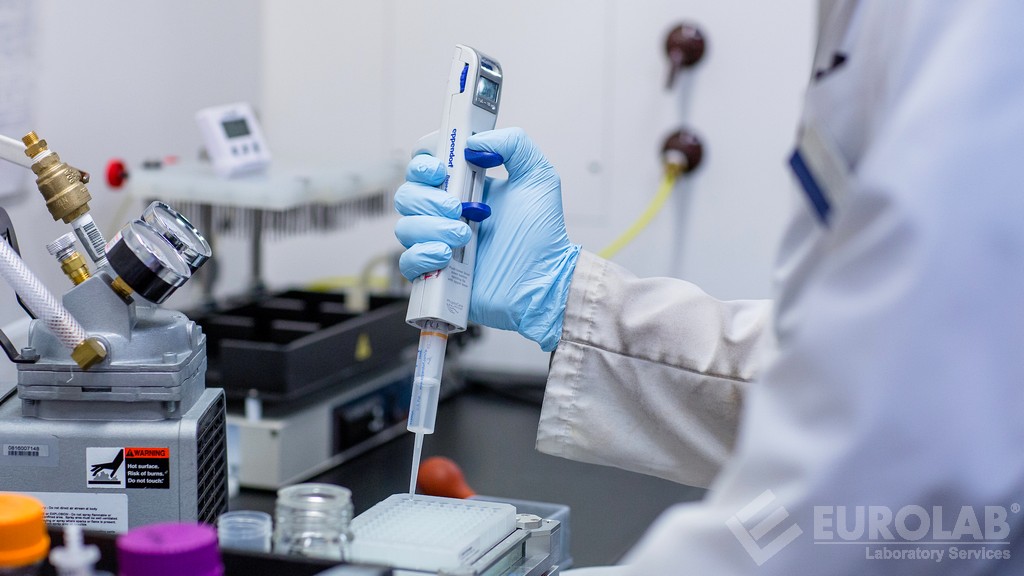
At our laboratory, we specialize in offering comprehensive services tailored to this sector. Our state-of-the-art facilities are equipped with advanced instrumentation capable of simulating real-world conditions under which sustainable energy systems operate. From photovoltaic panels to wind turbines, our tests cover a wide spectrum of renewable technologies ensuring they perform optimally while maintaining environmental integrity.
Our team comprises highly qualified professionals who possess deep expertise in various aspects of sustainable energy technology. They stay updated with the latest developments and trends within this dynamic field, allowing us to provide accurate and reliable certifications that are recognized globally.
The process typically begins with a detailed assessment of the system or component being tested. This includes reviewing design specifications, documentation, and any relevant previous test results where applicable. Once satisfied with these initial evaluations, our engineers proceed with specific tests designed to evaluate performance parameters such as efficiency, durability, safety factors, etc.
Each step during this process is meticulously documented using standardized protocols which ensure consistency across all assessments conducted by our team. The final report generated from these tests serves multiple purposes – it certifies adherence to specified standards; provides valuable insights into potential improvements needed for better performance; and most importantly, offers peace of mind knowing that your sustainable energy solutions meet highest industry benchmarks.
In conclusion, obtaining a certification in sustainable energy is essential not just because it ensures quality assurance but also because it opens doors towards greater recognition from stakeholders. Whether you're an engineer looking to validate new designs or a company aiming to enhance its reputation through credible endorsements, our services can help achieve these goals effectively and efficiently.
Why Choose This Test
Selecting the right certification test for your sustainable energy project is crucial in establishing credibility and trustworthiness. Here are several compelling reasons why choosing a comprehensive certification test is beneficial:
Enhanced Trustworthiness: Certification lends an extra layer of assurance that your renewable energy systems meet international standards, thereby enhancing confidence among potential investors and partners.
Innovation Facilitation: By adhering to stringent testing procedures, you can identify areas for improvement which could lead to advancements in technology. This proactive approach fosters a culture conducive to innovation within the organization.
Regulatory Compliance: Many governments worldwide are implementing regulations mandating certification of certain types of renewable energy installations before they can be deployed commercially. Being certified ensures compliance with these requirements, avoiding costly delays or penalties.
Market Differentiation: In a competitive market, being able to demonstrate rigorous testing and certification offers a significant advantage over competitors who may not adhere to similar standards.
Customer Satisfaction: Consumers increasingly prefer purchasing products from companies that prioritize sustainability. A certified product indicates commitment to these values, leading to higher customer satisfaction levels.
Risk Mitigation: Rigorous testing helps uncover potential issues early in the development lifecycle, reducing risks associated with failures once systems are operational.
Potential Cost Savings: While certification might involve upfront costs, avoiding costly repairs or replacements later down the line can result in substantial savings over time.
Quality and Reliability Assurance
The importance of quality and reliability assurance cannot be overstated when it comes to sustainable energy systems. These systems form a backbone for future generations, impacting everything from air quality to resource availability. Ensuring they function reliably is not merely about maintaining operational integrity; rather, it involves creating resilient structures capable of withstanding various environmental stresses without compromising performance.
Our laboratory adheres strictly to international standards such as ISO 15896:2014 which outline guidelines for specifying and testing wind turbines. Similarly, our experts follow EN 50307:2018 when evaluating photovoltaic modules ensuring consistent results across different geographical locations.
For instance, during a wind turbine certification process, we conduct extensive environmental stress testing including thermal cycling tests to simulate extreme temperature fluctuations that might occur over its operational lifetime. We also perform structural integrity assessments using finite element analysis software to predict how the turbine would behave under high winds or icing conditions.
In another example, for photovoltaic modules, our team uses spectral irradiance meters capable of measuring direct sunlight and diffuse light separately. These measurements enable precise calculation of energy output at different times throughout the day, helping us determine if a module meets expected efficiency levels accurately.
Our approach goes beyond mere compliance with regulations; it aims to push boundaries by incorporating cutting-edge technologies into our testing methodologies. For example, we utilize machine learning algorithms alongside traditional statistical methods to analyze vast amounts of data generated during tests providing deeper insights into system behavior under diverse scenarios.
The ultimate aim is always to deliver accurate and reliable certification reports that not only meet but exceed expectations set forth by relevant bodies. These reports serve as valuable resources for decision-makers involved in sustainable energy projects, guiding them towards informed choices about procurement, installation, maintenance, and eventual decommissioning processes.
Competitive Advantage and Market Impact
In the competitive landscape of renewable energy, certification plays a crucial role in establishing market credibility and driving business growth. By obtaining third-party verification that your sustainable energy products or services comply with recognized standards, you position yourself ahead of competitors who may not adhere to such stringent protocols.
For instance, companies involved in manufacturing solar panels can gain an edge by being able to showcase certifications from reputable organizations like TÜV or UL. Such endorsements signal to consumers and businesses alike that the products are reliable, safe, and environmentally friendly. This enhanced reputation often translates into increased sales opportunities both domestically and internationally.
The same principle applies to service providers offering installation services for wind farms or biomass plants. Certification can differentiate them from others by demonstrating expertise in adhering to best practices recommended by industry leaders like the International Renewable Energy Agency (IRENA).
Moreover, certification fosters collaboration among stakeholders including developers, manufacturers, financiers, and end-users. It creates a shared language and set of expectations that facilitate smoother transactions and partnerships. For example, when banks evaluate loan applications for renewable energy projects, having certified products or services reduces perceived risk associated with the venture.
Achieving certification also opens doors to new markets where regulatory requirements favor certified entities. In some regions, government incentives are exclusively available to companies whose products or services have received appropriate certifications. Thus, certification acts as a passport into these lucrative markets enhancing overall market penetration and profitability.
Furthermore, certification contributes significantly towards fostering trust within the broader community including local communities affected by renewable energy projects. It reassures them that safety standards are being met thereby reducing opposition to such initiatives which could otherwise hinder their progress.
In summary, sustainable energy certification is more than just a compliance exercise; it’s an investment in long-term success and sustainability for both individual organizations as well as the entire industry sector.