Low Carbon Product Certification
The concept of low carbon product certification is gaining significant traction in a world grappling with climate change. Low carbon products are those that have been engineered and manufactured to minimize their environmental impact, particularly by reducing the amount of greenhouse gases (GHGs) emitted during production, use, and disposal phases. This certification not only helps businesses comply with regulatory requirements but also enhances brand reputation and market competitiveness.
The process involves a comprehensive analysis using internationally recognized standards such as ISO 14067 for GHG emissions in products, which ensures that the carbon footprint of products is accurately measured and reported. The certification covers various sectors including manufacturing, construction, automotive, electronics, and energy, ensuring that all aspects of product lifecycle are considered.
For manufacturers, low carbon product certification can lead to reduced operational costs through optimized resource use and waste minimization. It also opens up new markets where environmental sustainability is a key factor for consumers. Compliance with such certifications demonstrates a company's commitment to corporate social responsibility (CSR) and sustainable development goals (SDGs).
The certification process typically involves several steps: initial assessment, detailed audit, verification of data, and final approval. During the assessment phase, product design, material selection, manufacturing processes, and end-of-life disposal methods are evaluated for their carbon impact. Auditors use advanced software tools to model emissions and provide recommendations for improvement.
One key aspect is the lifecycle approach, which considers the entire journey of a product from raw materials extraction through processing, distribution, usage, recycling, and final disposal. This holistic view ensures that no stage in the product's existence is overlooked when calculating its carbon footprint. For instance, sourcing locally mined minerals instead of imported ones can significantly reduce emissions associated with transportation.
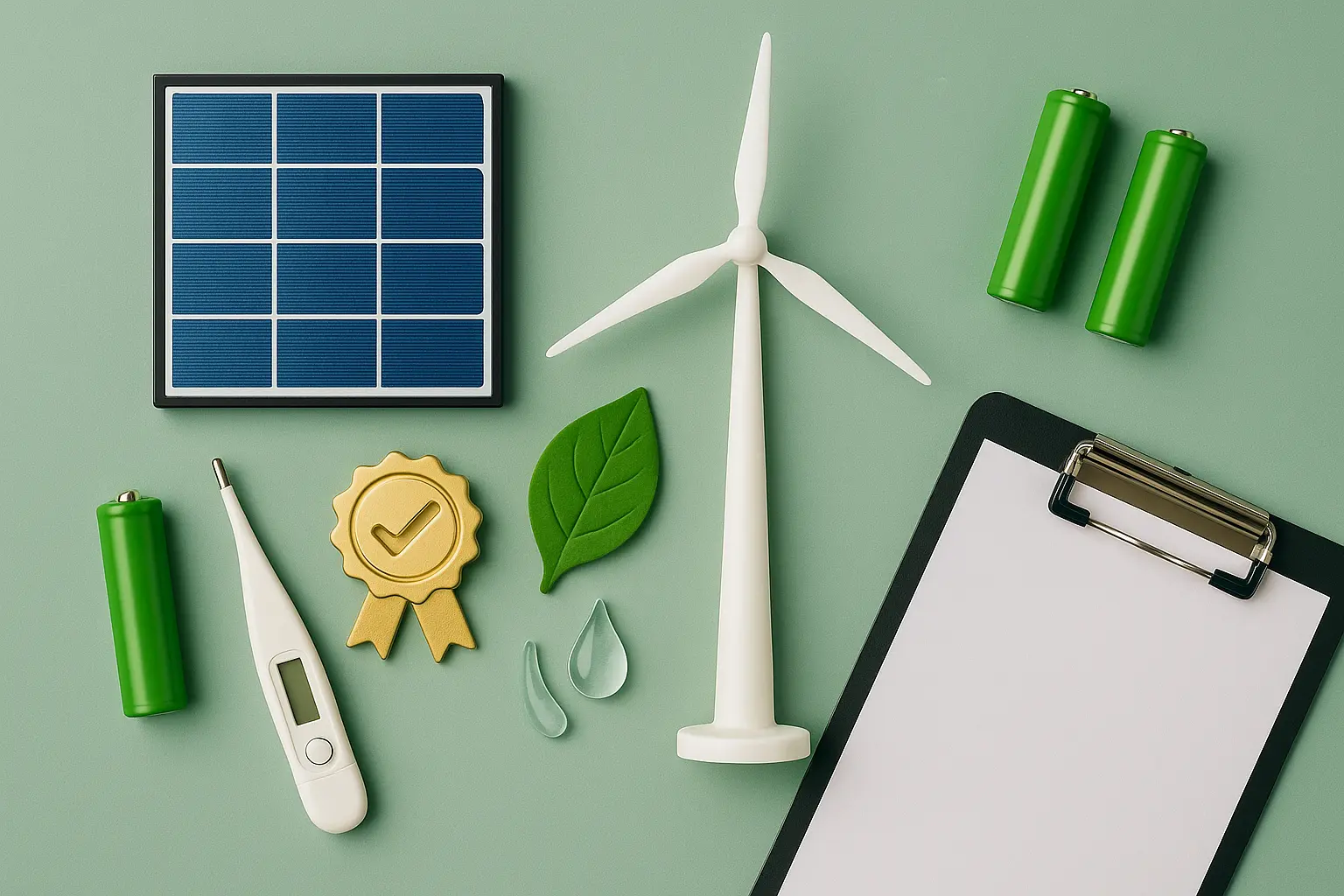
Another important factor is the choice of energy sources used during manufacturing. Transitioning to renewable energies like solar or wind power greatly reduces greenhouse gas emissions compared to fossil fuels. Additionally, improving production efficiency through automation and lean processes helps minimize resource consumption and waste generation.
| Use Cases |
Description |
| Metal Production |
Assessing the carbon impact of metals like steel, aluminum, or copper by analyzing their production processes from raw material extraction to final product. |
| Construction Materials |
Evaluating insulation materials and structural components used in buildings for their embodied energy and potential lifecycle emissions. |
| Consumer Electronics |
Determining the carbon footprint of smartphones, computers, and other electronic devices by examining manufacturing practices and supply chain impacts. |
| Automotive Industry |
Assessing vehicle components such as batteries, tires, or lightweight materials for their contribution to overall lifecycle emissions. |
The certification process also includes stakeholder engagement, ensuring that suppliers and customers are aware of the product's carbon credentials. This transparency fosters trust among consumers who increasingly prioritize eco-friendly choices when making purchasing decisions.
In conclusion, low carbon product certification plays a crucial role in driving sustainability across industries. By adopting this approach, companies can contribute to global efforts aimed at mitigating climate change while reaping numerous benefits both internally and externally.
Why It Matters
The urgency of addressing climate change cannot be overstated. According to the Intergovernmental Panel on Climate Change (IPCC), human activities are responsible for over 90% of global GHG emissions, with industrial processes accounting for a significant portion. Reducing these emissions through innovative product design and manufacturing practices is essential for achieving international targets set out in agreements like the Paris Agreement.
For businesses, complying with low carbon product certification not only helps avoid potential fines and legal penalties but also positions them favorably among competitors who are increasingly focusing on sustainability. A study by Deloitte indicates that nearly 70% of consumers consider environmental responsibility when selecting products or services, highlighting the importance of meeting these standards.
Moreover, sustainable practices lead to operational efficiencies which can translate into cost savings for companies. For example, improving energy efficiency in manufacturing plants results in lower utility bills while simultaneously reducing emissions. Similarly, optimizing supply chains by choosing suppliers who adhere to similar environmental principles enhances overall performance and resilience against volatile market conditions.
In summary, implementing low carbon product certification aligns organizations with broader societal goals towards a more sustainable future. It provides clear guidelines on how to design and produce goods responsibly while offering opportunities for innovation that could benefit both the environment and the bottom line.
Benefits
- Enhanced Reputation: Demonstrates a company's commitment to environmental stewardship, enhancing its reputation among stakeholders.
- Increased Market Access: Opens up new markets where sustainable products are preferred by consumers and regulatory bodies.
- Operational Efficiency: Identifies areas for improvement in production processes leading to reduced costs and increased productivity.
- Customer Trust: Builds confidence among buyers who value environmentally responsible choices, potentially increasing sales volumes.
- Regulatory Compliance: Ensures adherence to national and international regulations related to carbon emissions.
- Innovation Drive: Encourages the development of more sustainable technologies and practices within industries.
- Economic Growth: Supports growth in green sectors by promoting innovative solutions that address climate change challenges effectively.
- Employee Engagement: Fosters a culture of sustainability within organizations, encouraging employees to adopt environmentally friendly behaviors both at work and home.
Frequently Asked Questions
Does low carbon product certification apply only to manufactured goods?
No, it applies across various sectors including construction materials, consumer electronics, automotive components, and more. The focus is on the entire lifecycle of a product from raw material extraction through end-of-life.
Is there an ongoing cost associated with maintaining this certification?
Yes, regular audits and updates are required to ensure continuous compliance. These costs include fees for external verification bodies as well as internal resources dedicated to sustainability initiatives.
How long does it take to get certified?
The duration varies depending on the complexity of the product and the specific standards being adhered to. Typically, it ranges from several months to a year or more.
What kind of documentation is needed for certification?
A comprehensive set of documents detailing the product's lifecycle stages, emissions data, and measures taken to reduce carbon impact. This includes detailed manufacturing processes, supply chain information, and performance metrics.
Is this certification recognized internationally?
Yes, it is widely accepted across different countries provided that the certification aligns with international standards like ISO 14067. Recognition varies by country but generally, certified products can enter global markets seamlessly.
Can small businesses afford this certification?
Small businesses often face financial constraints when considering such certifications. However, many organizations offer tailored support packages and financial incentives to help smaller enterprises achieve compliance without undue burden.
What role do suppliers play in achieving low carbon certification?
Suppliers play a vital role by providing sustainable raw materials and adhering to strict environmental practices themselves. Companies must ensure that their supply chains are aligned with the same sustainability goals as the final product.
How does this certification differ from other types of eco-labels?
Low carbon product certification focuses specifically on reducing GHG emissions throughout the entire lifecycle of a product. Unlike some eco-labels which may concentrate solely on specific aspects like energy efficiency or water usage, low carbon certification offers a more comprehensive approach to environmental impact assessment.
How long does it take to get certified?
The duration varies depending on the complexity of the product and the specific standards being adhered to. Typically, it ranges from several months to a year or more.
What kind of documentation is needed for certification?
A comprehensive set of documents detailing the product's lifecycle stages, emissions data, and measures taken to reduce carbon impact. This includes detailed manufacturing processes, supply chain information, and performance metrics.
Is this certification recognized internationally?
Yes, it is widely accepted across different countries provided that the certification aligns with international standards like ISO 14067. Recognition varies by country but generally, certified products can enter global markets seamlessly.
Can small businesses afford this certification?
Small businesses often face financial constraints when considering such certifications. However, many organizations offer tailored support packages and financial incentives to help smaller enterprises achieve compliance without undue burden.
What role do suppliers play in achieving low carbon certification?
Suppliers play a vital role by providing sustainable raw materials and adhering to strict environmental practices themselves. Companies must ensure that their supply chains are aligned with the same sustainability goals as the final product.
How does this certification differ from other types of eco-labels?
Low carbon product certification focuses specifically on reducing GHG emissions throughout the entire lifecycle of a product. Unlike some eco-labels which may concentrate solely on specific aspects like energy efficiency or water usage, low carbon certification offers a more comprehensive approach to environmental impact assessment.
What kind of documentation is needed for certification?
A comprehensive set of documents detailing the product's lifecycle stages, emissions data, and measures taken to reduce carbon impact. This includes detailed manufacturing processes, supply chain information, and performance metrics.
Is this certification recognized internationally?
Yes, it is widely accepted across different countries provided that the certification aligns with international standards like ISO 14067. Recognition varies by country but generally, certified products can enter global markets seamlessly.
Can small businesses afford this certification?
Small businesses often face financial constraints when considering such certifications. However, many organizations offer tailored support packages and financial incentives to help smaller enterprises achieve compliance without undue burden.
What role do suppliers play in achieving low carbon certification?
Suppliers play a vital role by providing sustainable raw materials and adhering to strict environmental practices themselves. Companies must ensure that their supply chains are aligned with the same sustainability goals as the final product.
How does this certification differ from other types of eco-labels?
Low carbon product certification focuses specifically on reducing GHG emissions throughout the entire lifecycle of a product. Unlike some eco-labels which may concentrate solely on specific aspects like energy efficiency or water usage, low carbon certification offers a more comprehensive approach to environmental impact assessment.
Is this certification recognized internationally?
Yes, it is widely accepted across different countries provided that the certification aligns with international standards like ISO 14067. Recognition varies by country but generally, certified products can enter global markets seamlessly.
Can small businesses afford this certification?
Small businesses often face financial constraints when considering such certifications. However, many organizations offer tailored support packages and financial incentives to help smaller enterprises achieve compliance without undue burden.
What role do suppliers play in achieving low carbon certification?
Suppliers play a vital role by providing sustainable raw materials and adhering to strict environmental practices themselves. Companies must ensure that their supply chains are aligned with the same sustainability goals as the final product.
How does this certification differ from other types of eco-labels?
Low carbon product certification focuses specifically on reducing GHG emissions throughout the entire lifecycle of a product. Unlike some eco-labels which may concentrate solely on specific aspects like energy efficiency or water usage, low carbon certification offers a more comprehensive approach to environmental impact assessment.
Can small businesses afford this certification?
Small businesses often face financial constraints when considering such certifications. However, many organizations offer tailored support packages and financial incentives to help smaller enterprises achieve compliance without undue burden.
What role do suppliers play in achieving low carbon certification?
Suppliers play a vital role by providing sustainable raw materials and adhering to strict environmental practices themselves. Companies must ensure that their supply chains are aligned with the same sustainability goals as the final product.
How does this certification differ from other types of eco-labels?
Low carbon product certification focuses specifically on reducing GHG emissions throughout the entire lifecycle of a product. Unlike some eco-labels which may concentrate solely on specific aspects like energy efficiency or water usage, low carbon certification offers a more comprehensive approach to environmental impact assessment.
What role do suppliers play in achieving low carbon certification?
Suppliers play a vital role by providing sustainable raw materials and adhering to strict environmental practices themselves. Companies must ensure that their supply chains are aligned with the same sustainability goals as the final product.
How does this certification differ from other types of eco-labels?
Low carbon product certification focuses specifically on reducing GHG emissions throughout the entire lifecycle of a product. Unlike some eco-labels which may concentrate solely on specific aspects like energy efficiency or water usage, low carbon certification offers a more comprehensive approach to environmental impact assessment.
How does this certification differ from other types of eco-labels?
Low carbon product certification focuses specifically on reducing GHG emissions throughout the entire lifecycle of a product. Unlike some eco-labels which may concentrate solely on specific aspects like energy efficiency or water usage, low carbon certification offers a more comprehensive approach to environmental impact assessment.