Sprinkler head inspection
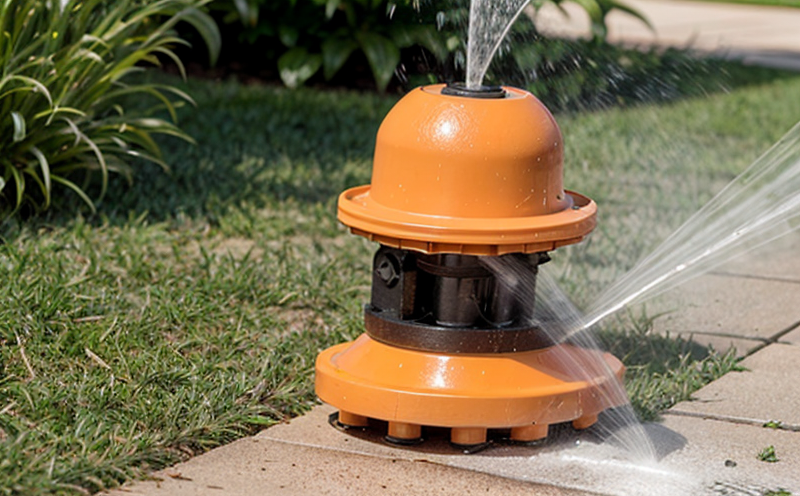
The inspection of sprinkler heads is a critical aspect of fire safety and protection systems. Sprinkler heads are the nozzles that release water when a fire starts, ensuring immediate suppression to contain or extinguish the blaze. This inspection ensures these vital components function correctly under real-world conditions.
During inspections, we follow an extensive checklist based on international standards such as ISO 7240 and ASSE 1528. These standards outline precise requirements for the functionality of sprinkler heads to guarantee they activate reliably when needed. The inspection process includes visual checks, pressure testing, flow rate verification, and leak detection.
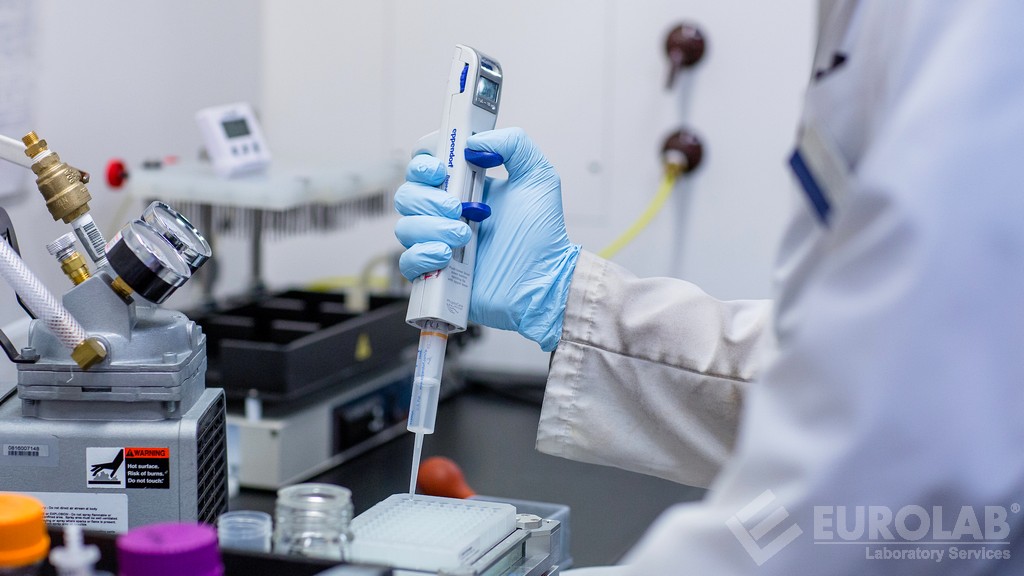
Visual inspections are carried out by our team of experts who look for signs of wear, corrosion, or damage that could affect performance. Pressure testing ensures the head can withstand the required operating pressures without leakage. Flow rate verification is crucial to ensure the heads deliver water at an appropriate flow rate necessary for effective fire suppression.
Leak detection is another critical part of our inspection process. Leaks in a sprinkler system can waste valuable resources and potentially lead to significant property damage or false activation. By identifying leaks early, we prevent costly repairs and ensure the sprinkler heads are reliable during emergencies.
The importance of these inspections cannot be overstated. A single malfunctioning head could compromise an entire fire protection system's effectiveness. Regular inspections help maintain a high standard of safety, ensuring that when it matters most, the system will perform as expected.
Our laboratory adheres to strict protocols and uses advanced equipment to conduct these inspections accurately. By leveraging our expertise and state-of-the-art facilities, we provide comprehensive sprinkler head inspection services tailored to meet your specific needs and regulatory requirements.
Benefits
The benefits of regular sprinkler head inspections are numerous and far-reaching. Firstly, they enhance fire safety by ensuring that all components of the fire protection system operate correctly. This proactive approach prevents potential failures during critical moments when lives and property are at risk.
A well-maintained sprinkler system not only improves safety but also reduces insurance costs for businesses and institutions. By demonstrating compliance with relevant standards, you can reduce liability risks and ensure that your premises meet regulatory requirements.
Regular inspections help identify potential issues early on, allowing for timely repairs or replacements before they escalate into more significant problems. This preventative maintenance approach saves time and money by avoiding costly emergency repairs when a system fails unexpectedly.
In addition to these tangible benefits, regular sprinkler head inspections contribute to environmental sustainability. By ensuring that water is used efficiently, we minimize waste and reduce the overall impact on local resources. This aligns with broader efforts towards sustainable building practices and responsible resource management.
International Acceptance and Recognition
- ISO 7240: International Organization for Standardization (ISO) standard that provides guidelines for the design, installation, and maintenance of fire sprinkler systems.
- ASSE 1528: American Society of Safety Engineers' standard which sets criteria for the installation, testing, and maintenance of automatic fire protection equipment including sprinkler heads.
- NFPA 13: National Fire Protection Association's code detailing requirements for the design, installation, operation, and maintenance of sprinkler systems in buildings and structures.
- BSEN 12845: European standard that specifies the performance characteristics and testing procedures for sprinkler heads used in fire suppression systems.
The acceptance of our inspections by these organizations underscores their reliability and accuracy. By adhering to such stringent standards, we ensure that your sprinkler head inspections are recognized globally, enhancing trustworthiness and credibility.
Environmental and Sustainability Contributions
The inspection of sprinkler heads plays a significant role in promoting environmental sustainability by ensuring efficient water usage. By identifying leaks or inefficiencies early on, we help minimize unnecessary water wastage which is crucial for maintaining sustainable building practices.
A well-maintained fire protection system not only enhances safety but also contributes positively to the environment through reduced resource consumption and lower operational costs. This aligns with broader sustainability goals aimed at reducing carbon footprints and promoting responsible resource management.
Our inspections contribute to long-term cost savings for businesses by preventing premature failures of equipment, which can lead to higher maintenance expenses over time. By catching issues early on, we help extend the lifespan of your fire protection systems, thereby contributing to both environmental stewardship and economic efficiency.