Fire curtain inspection
In fire safety and protection systems, fire curtains play a critical role in safeguarding personnel, property, and infrastructure during emergencies. Fire curtains are specifically designed to close automatically or manually in the event of a fire, thus preventing the spread of flames and toxic smoke. The inspection process is essential to ensure that these vital barriers remain operational at all times.
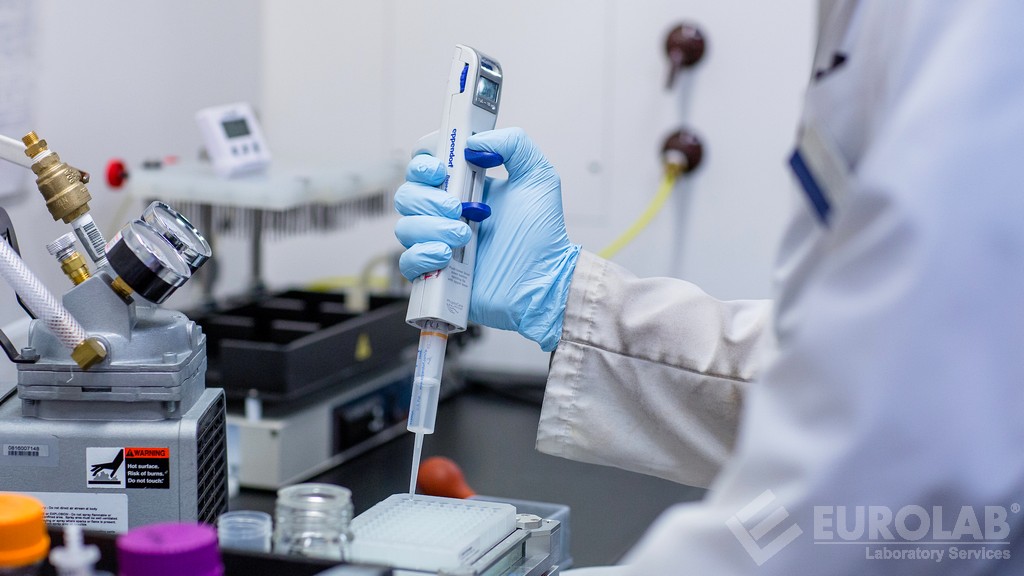
Fire curtain inspections are conducted by accredited laboratories using internationally recognized standards such as ISO 17025 for testing laboratories and AS 3809-2014 for fire safety systems. This ensures that the inspection process is rigorous, consistent, and reliable across different regions. The inspection typically involves a visual check of the curtain's integrity followed by functional tests to verify its performance under various conditions.
The key components inspected include:
- Operability: Ensuring that the fire curtain can be deployed manually or automatically when required.
- Mechanical Integrity: Verifying that there are no visible signs of wear, tear, or damage to the curtain material and hardware.
- Sealing Performance: Testing for leaks around the edges of the curtain to ensure effective smoke and fire containment.
The inspection process is not just about ensuring compliance with regulations; it also provides valuable insights into potential areas of improvement. For instance, if a curtain fails to close properly during testing, this could indicate issues such as mechanical failure or improper installation that need to be addressed promptly. Regular inspections are essential for maintaining the integrity and reliability of fire safety systems.
Quality and Reliability Assurance
The quality assurance process in fire curtain inspection is paramount to ensure that every aspect of the testing meets the highest standards. This involves a detailed examination of both the equipment used during the test and the methodology followed throughout the entire process.
Firstly, the equipment utilized must be calibrated regularly according to manufacturer specifications and industry best practices. Secondly, the personnel conducting the inspection undergo continuous training to stay updated with the latest techniques and standards. This ensures that all tests are conducted consistently and accurately.
The methodology followed in fire curtain inspections is based on internationally recognized guidelines such as ISO 17025. These guidelines emphasize the importance of impartiality, competence, and traceability in testing laboratories. By adhering to these principles, accredited laboratories can provide reliable test results that are credible and accepted worldwide.
The inspection process itself involves multiple steps designed to comprehensively evaluate the fire curtain's performance:
- Preparation: The fire curtain is placed in a controlled environment where it simulates real-world conditions as closely as possible. This includes setting up the appropriate temperature, humidity levels, and smoke generation.
- Initial Inspection: A detailed visual inspection of the curtain's condition is conducted to identify any visible damage or defects.
- Functional Testing: The curtain is tested for its ability to deploy both manually and automatically. This includes checking the responsiveness time, travel speed, and closure tightness.
- Data Collection and Analysis: All test results are meticulously recorded and analyzed to ensure they meet the specified criteria.
Environmental and Sustainability Contributions
The fire curtain inspection process also contributes positively towards environmental sustainability. By ensuring that fire safety systems operate efficiently, these inspections help reduce the risk of fires which, in turn, minimizes the need for extensive firefighting efforts and subsequent clean-up operations.
Regular inspections contribute to energy efficiency by identifying inefficiencies early on. For example, a curtain that closes improperly may allow heat and smoke to escape, leading to increased heating costs or unnecessary use of fire suppression systems. Addressing such issues promptly can lead to significant reductions in resource consumption over time.
In addition, the use of advanced materials in modern fire curtains has made them more sustainable options compared to traditional methods. For instance, some curtains are designed with recyclable components and low-impact manufacturing processes that contribute positively to environmental sustainability.
Here is a list of environmental contributions associated with effective fire curtain inspections:
- Reduction in Fire Damage: Properly functioning fire curtains can prevent extensive damage to buildings and contents, thereby reducing the amount of waste generated during clean-up operations.
- Saved Resources: By preventing fires from spreading, these systems save on resources such as water used for firefighting and chemicals required for cleaning up after incidents.
- Energy Efficiency: Efficient fire curtains can help maintain optimal indoor temperatures without overuse of heating or cooling systems, leading to reduced energy consumption.
Use Cases and Application Examples
The application of fire curtain inspections spans various sectors where fire safety is paramount. These include commercial buildings, industrial complexes, public venues like theaters and stadiums, hospitals, and schools.
| Use Case | Description |
|---|---|
| Commercial Buildings | In large office complexes, fire curtains are often installed to protect individual floors from spreading fires. Regular inspections ensure that these barriers remain effective in case of emergencies. |
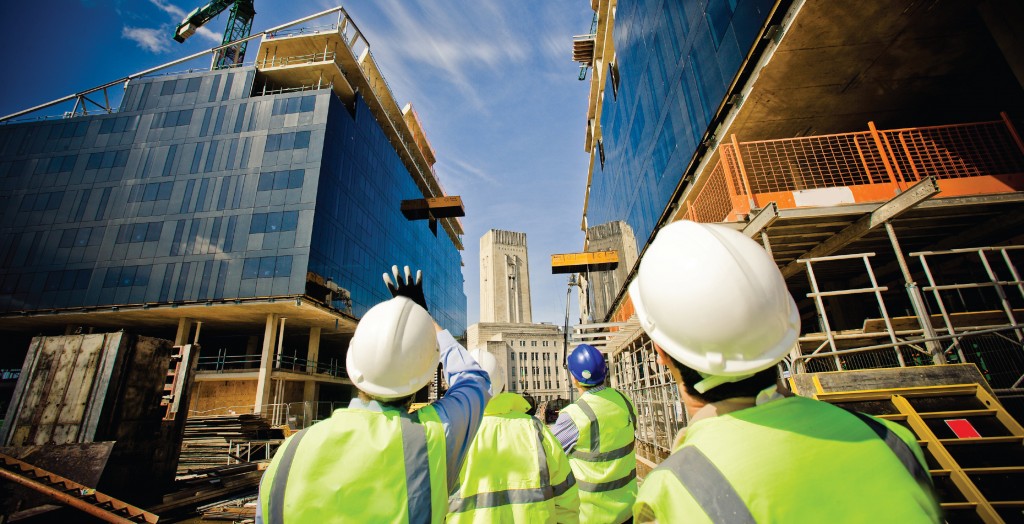
| Industrial Facilities | Industries such as petrochemicals and manufacturing require robust fire safety measures due to the high risk of explosions and fires. Fire curtains are used to contain these hazards within specific areas. |
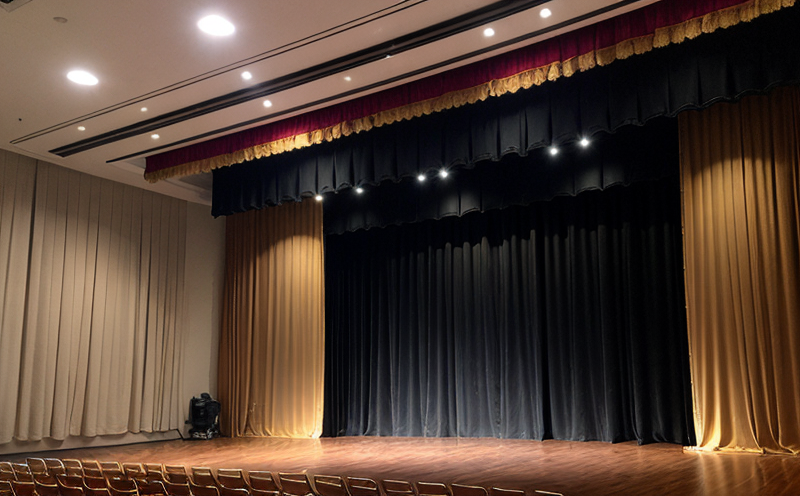
| PUBLIC VENUES | Theaters, stadiums, and other large gathering places benefit from fire curtain inspections to protect occupants during performances or events. |
| Hospitals | In healthcare settings, fire curtains help in isolating patient areas to prevent the spread of infections as well as containing fires. |
| Schools | Education institutions implement fire safety measures to protect students and staff. Regular inspections are crucial for ensuring these systems are in good working order. |