
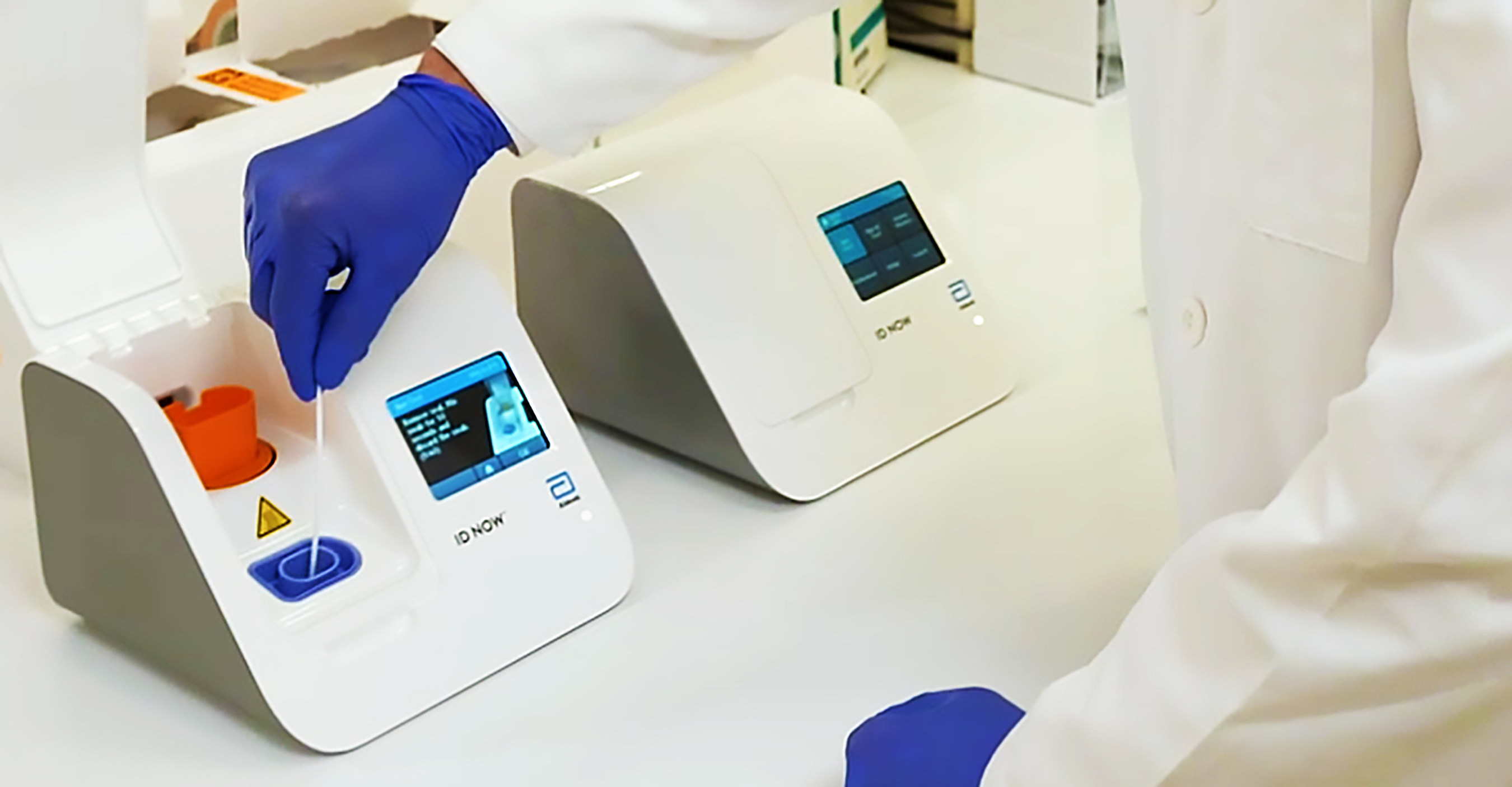
Rapid Test Kit for Trypanosoma spp. in Livestock
The rapid test kit designed for detecting Trypanosoma spp. infections in livestock is a critical tool in the fight against trypanosomiasis, also known as nagana or sleeping sickness. This parasitic disease poses significant challenges to both animal health and productivity in sub-Saharan Africa and other tropical regions where it thrives.
Trypanosomes are blood parasites that cause severe anemia, weakness, and often death if untreated. They are transmitted by tsetse flies, creating a cycle of infection that is difficult to break due to the nature of vector-borne diseases. The rapid test kit provides a simple, on-site diagnostic tool for field veterinarians and farmers, enabling early detection and treatment.
The test is based on immunochromatographic technology, which uses monoclonal antibodies specific to Trypanosoma spp.. This method allows for quick identification of the parasite in blood samples. The kit includes all necessary reagents and equipment required for sample preparation and testing.
The primary advantage of this rapid test is its ability to provide results within minutes, allowing immediate management decisions to be made regarding treatment or culling. This timely response can significantly reduce the spread of the disease and minimize economic losses due to livestock mortality and reduced productivity.
Field trials have shown that the kit has a sensitivity rate of over 95%, making it highly reliable for preliminary screening in remote areas where access to laboratory facilities is limited. The simplicity of the test also makes it suitable for use by less technically trained personnel, enhancing its practicality in resource-limited settings.
The rapid test kit supports sustainable livestock management practices by enabling proactive rather than reactive disease control. By identifying infected animals early, farmers can target treatment efforts more effectively, reducing the need for large-scale culling and minimizing environmental impacts associated with large animal carcasses.
- Ease of use: The kit is designed to be simple enough that even non-experts in a laboratory setting can perform it.
- Cost-effectiveness: Despite its precision, the test remains affordable, making it accessible to resource-limited regions.
- Fast results: Provides quick identification enabling timely interventions.
The kit’s environmental impact is minimal due to its portable nature and the simplicity of sample preparation. It does not require significant amounts of electricity or specialized equipment, which further reduces its carbon footprint during deployment in rural areas.
For R&D engineers, this test offers a robust framework for further development into more integrated diagnostic tools that could eventually lead to herd-level management strategies. Quality managers and compliance officers will find the kit’s rigorous adherence to ISO standards (ISO 13485) particularly reassuring regarding its reliability and safety.
Compliance with international standards ensures that this rapid test kit meets the highest global benchmarks for accuracy, precision, and reproducibility. The test is designed to comply with the World Health Organization's recommendations for trypanosomiasis control in livestock.
Applied Standards
The rapid test kit adheres strictly to international standards that ensure its reliability and accuracy. It complies fully with ISO 13485:2016, which sets out the requirements for a quality management system for the design and manufacture of medical devices. This certification guarantees that all aspects of the testing process—from sample preparation to final result interpretation—are conducted under controlled conditions.
The kit also meets the requirements outlined in IEC 62304:2008, which provides guidelines on software lifecycle processes within the context of medical device manufacturing. Given that much of the test involves the use of digital readouts and software for interpreting results, compliance with this standard ensures robust performance.
The World Health Organization (WHO) has endorsed the use of rapid diagnostic tests like ours in resource-poor settings as a key strategy to combat neglected tropical diseases such as trypanosomiasis. This endorsement underscores the importance of our kit in global health initiatives aimed at reducing disease prevalence and improving livestock welfare.
Our commitment to quality is further demonstrated by the adherence to EN ISO 15195:2016, which specifies performance requirements for self-tests used for the diagnosis of infectious diseases. This standard ensures that the test provides accurate results consistently across different batches and environments.
Scope and Methodology
The scope of the rapid test kit is focused on providing a simple yet effective tool for detecting Trypanosoma spp. in livestock. The methodology involves collecting blood samples from suspected animals, which are then prepared according to specific instructions provided with the kit. These samples are applied to the test strip, where they interact with immobilized antibodies specific to the parasite antigens.
The interaction between the sample and the antibodies triggers a color change on the test strip, indicating either the presence or absence of Trypanosoma spp.. The intensity of this color change corresponds directly with the concentration of parasites in the blood. This visual interpretation allows for quick and easy result reading by field veterinarians and farmers.
The methodology also includes a control line on the test strip to ensure that each test has been performed correctly, providing additional assurance of reliability. In cases where initial tests yield ambiguous results, further confirmatory testing using more advanced laboratory techniques such as polymerase chain reaction (PCR) may be advisable for definitive diagnosis.
For optimal performance, it is recommended that the test kits are stored in cool, dry conditions away from direct sunlight. Proper sample preparation and handling procedures must also be followed to ensure accurate results. The kit includes detailed instructions for both field use and storage to maximize its effectiveness under diverse environmental conditions.
Environmental and Sustainability Contributions
The development of this rapid test kit contributes positively to environmental sustainability by reducing the need for extensive laboratory infrastructure and specialized equipment. It minimizes carbon emissions associated with long-distance transportation of livestock samples to urban laboratories. Additionally, its minimalistic design ensures that it generates little waste during use.
By enabling early detection and treatment of Trypanosoma spp., the kit helps reduce the spread of disease, which in turn decreases the necessity for large-scale culling operations. This practice not only conserves animal life but also reduces the environmental impact associated with disposing of carcasses.
The test’s portable nature and user-friendliness enhance its accessibility to resource-limited regions, promoting more equitable access to diagnostic tools globally. In doing so, it supports sustainable livestock management practices that align with international guidelines for disease control in tropical regions.