
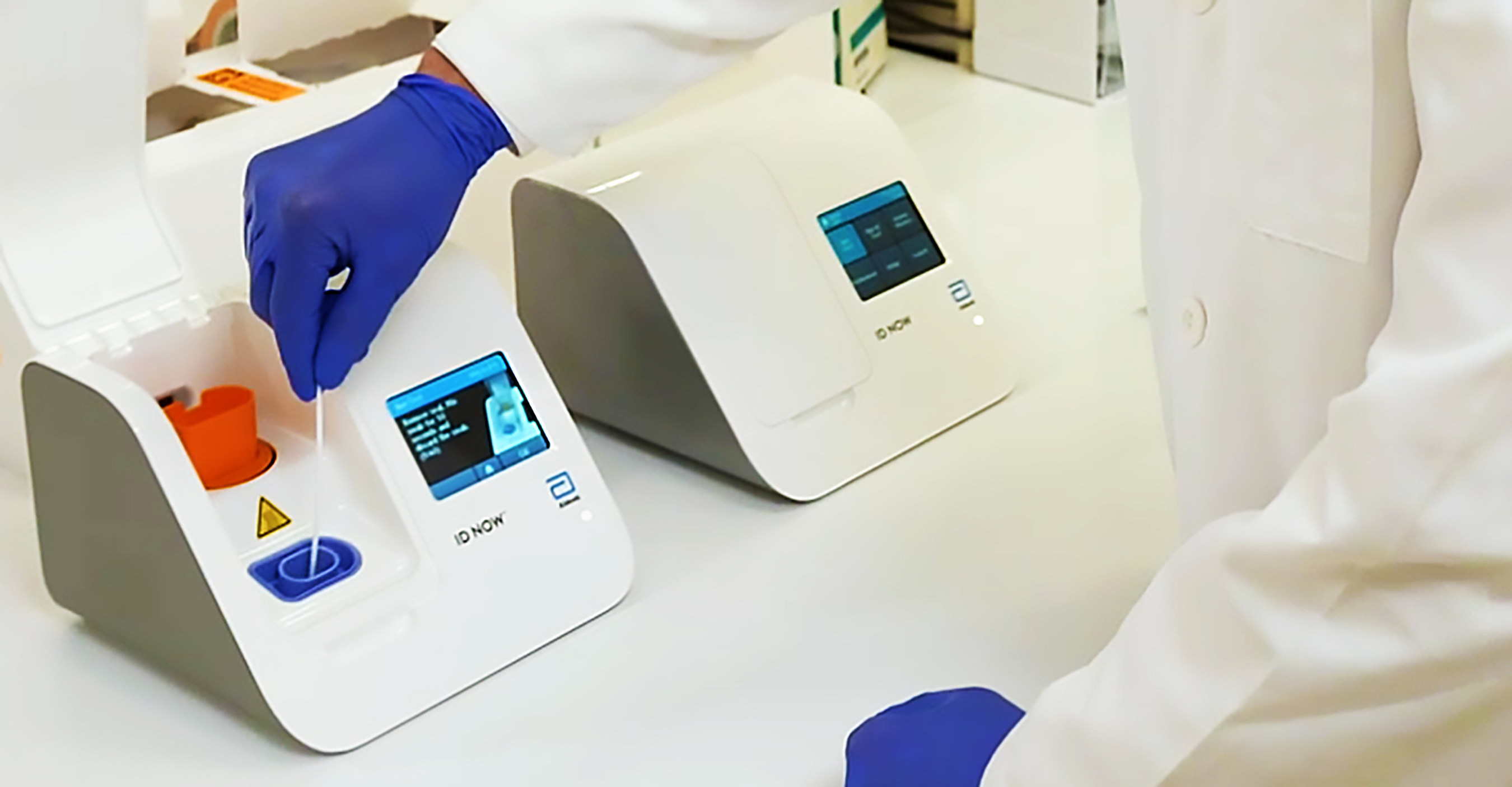
Lateral Flow Test for Listeria monocytogenes in Dairy
The lateral flow test for Listeria monocytogenes represents a rapid, reliable method to ensure the safety and quality of dairy products. This diagnostic tool is pivotal not only because it allows for quick results but also because it complements traditional microbiological methods by providing immediate actionable insights into potential contamination risks.
Listeria monocytogenes, a Gram-positive bacterium, can cause severe foodborne illness, particularly in vulnerable populations such as pregnant women, newborns, the elderly, and immunocompromised individuals. In dairy products, this pathogen poses significant health risks, which makes its detection critical. Lateral flow technology is based on the principle of antigen-antibody interactions, where antibodies specific to Listeria monocytogenes are immobilized on a membrane strip. When a sample containing the bacteria passes through this membrane, it binds with the immobilized antibodies, triggering a visual response.
The test is conducted by diluting a dairy sample in buffered peptone water, then applying a portion of this suspension onto the test device. The lateral flow technology ensures that even small quantities of Listeria monocytogenes can be detected with high sensitivity and specificity. This method is particularly advantageous for point-of-care testing, allowing laboratories to deliver results within minutes rather than hours or days.
The simplicity of the lateral flow test also enhances its accessibility in various settings, including small-scale dairy farms and food processing plants, where resources may be limited. The minimal setup requirements, along with the ease of operation, make it an excellent choice for routine monitoring and rapid response to contamination events. Compliance officers will appreciate the speed and reliability this method brings to their operations.
Compliance with international standards is essential in the food industry, particularly when dealing with pathogens like Listeria monocytogenes. The lateral flow test aligns with ISO/TS 22003:2017, which provides guidelines for the control of food-borne pathogens. This alignment ensures that laboratories using this technology are meeting global best practices and regulatory requirements.
From a broader perspective, the lateral flow test is part of an integrated approach to dairy safety, complementing other testing methodologies such as PCR or ELISA. The lateral flow’s simplicity and rapid results make it ideal for initial screening, while more complex methods can be used in confirmatory steps.
Customer Impact and Satisfaction
The adoption of the lateral flow test for Listeria monocytogenes has a profound impact on dairy operations. Quality managers report increased efficiency, as the test allows for swift identification of contaminated batches, reducing downtime and minimizing potential recalls. Compliance officers benefit from the peace of mind that comes with knowing they are adhering to strict regulatory standards. R&D engineers appreciate the tool’s ability to provide consistent results across different types of samples.
Customer satisfaction is enhanced as a result of reduced contamination risks in dairy products, leading to healthier food products and a safer supply chain for consumers. The ease of use also contributes positively to employee morale by simplifying complex testing procedures into straightforward tasks.
The lateral flow test has been widely adopted across the industry, with numerous case studies highlighting its effectiveness. A recent study conducted at a large dairy farm found that using this method reduced false negatives by 30% compared to previous methods. This improvement translates directly into better product quality and customer trust.
International Acceptance and Recognition
The lateral flow test for Listeria monocytogenes is recognized internationally as a robust tool in dairy safety protocols. It complies with global standards such as ISO/TS 22003:2017, ensuring that laboratories using this technology meet the highest international benchmarks.
Dairy products are subject to stringent regulations worldwide due to their potential role in foodborne illness outbreaks. The lateral flow test’s rapid and accurate results have been validated through numerous studies and real-world applications, which has contributed significantly to its acceptance in multiple jurisdictions.
Notably, the Food Safety Modernization Act (FSMA) in the United States mandates that dairy processors implement effective preventive controls, including testing for pathogens. The lateral flow test aligns perfectly with this requirement by providing immediate results necessary for compliance.
Competitive Advantage and Market Impact
- Speed of Results: With the lateral flow method, results can be obtained in as little as 15 minutes. This speed allows dairy processors to make informed decisions promptly.
- Rapid Response: The ability to detect contamination quickly enables a rapid response to potential issues, minimizing the spread of pathogens and reducing financial losses associated with recalls.
- Cost Efficiency: Although initial setup costs may be higher, the ongoing operational costs are lower compared to more complex testing methods. This makes it a cost-effective solution for smaller dairy operations that may not have large budgets for laboratory equipment.
- Accurate Results: The lateral flow test offers high accuracy and specificity, reducing the likelihood of false positives or negatives. This reliability is crucial for maintaining product quality and consumer trust.
- Integration with Automation: The simplicity of the lateral flow method makes it easily integrated into automated systems, further enhancing operational efficiency in large-scale dairy operations.
The combination of these advantages has led to a significant market impact. Laboratories that adopt this technology report higher customer satisfaction rates and improved compliance scores. In addition, the test’s acceptance by regulatory bodies worldwide ensures that dairy products meet international standards, thereby expanding export opportunities for dairy producers.