
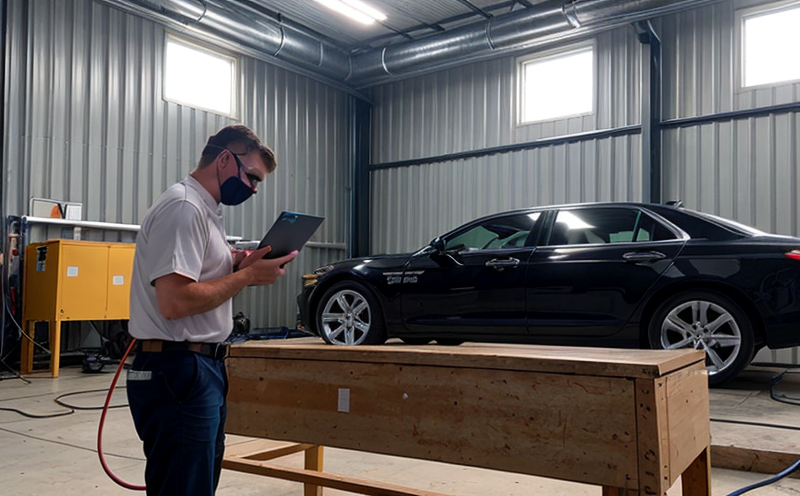
Performance Testing Inspection
Performance testing inspection is a critical process in ensuring that products meet their intended performance standards. This involves subjecting materials, components, or assemblies to various stressors and conditions to evaluate their ability to withstand operational demands without failure. In the context of third-party surveillance and product quality inspection, it plays an essential role by providing objective data on product reliability, durability, and safety.
The importance of this service cannot be overstated, especially in sectors like aerospace, automotive, and medical devices where performance under extreme conditions can mean life or death. By conducting thorough performance tests, manufacturers can identify potential weaknesses early in the development process, thereby reducing risks associated with product failures post-launch. Additionally, these inspections help maintain regulatory compliance and build consumer trust.
Performance testing typically includes a wide range of activities aimed at simulating real-world usage scenarios. For instance, in automotive applications, this might involve accelerated wear tests to assess how different parts hold up under simulated driving conditions over extended periods. Similarly, for electronic devices, it could mean subjecting them to high-temperature cycling and humidity exposure to ensure they function correctly even when exposed to challenging environments.
The scope of performance testing inspections can vary depending on the specific requirements set by clients or regulatory bodies like ISO, ASTM, or EN standards. However, common elements often include physical measurements such as weight, dimensions, and material properties; mechanical tests like tensile strength and fatigue life; electrical checks for resistance values and power consumption; and functional assessments to verify proper operation.
One of the key aspects of performance testing is specimen preparation. Before any testing can commence, materials or components must undergo appropriate treatment if necessary. This could involve cleaning processes, conditioning (such as heating or cooling), or applying specific surface finishes based on the anticipated use case. Proper preparation ensures that test results accurately reflect the material's inherent characteristics rather than being influenced by external factors.
Once specimens are ready for testing, various types of equipment may be used depending on what needs to be evaluated. Some common pieces of instrumentation include environmental chambers capable of simulating diverse climates from arctic cold to tropical heat; vibration test rigs designed to mimic road surfaces or factory floors; load cells and force gauges to measure applied stresses accurately; non-destructive testing tools such as ultrasonic probes for inspecting interiors without damaging the surface; and specialized software packages that analyze collected data points.
The results from these inspections serve multiple purposes. They provide valuable insights into how well products perform under different circumstances, which can inform improvements in design or manufacturing processes moving forward. Moreover, they offer peace of mind to both producers and consumers alike by confirming that products meet established quality benchmarks before reaching the market.
Environmental and Sustainability Contributions
- By identifying issues early on through rigorous testing, performance inspections contribute significantly towards reducing waste throughout the product lifecycle. When defects are discovered during development stages rather than later phases when repairs become more costly or impossible to fix, this helps minimize resource consumption.
- Another benefit lies in promoting sustainable practices within industries by encouraging manufacturers to adopt eco-friendly materials and production methods that enhance overall energy efficiency while minimizing environmental impact.
Why It Matters
Given today's increasingly stringent regulations and heightened consumer expectations regarding product safety and reliability, performance testing inspection has become indispensable. Failure to meet these standards can lead not only to financial losses but also reputational damage if issues come to light post-launch.
In industries such as healthcare or aviation where human lives depend heavily on equipment functioning correctly, the stakes are even higher. Any lapse in quality could result in severe consequences ranging from minor inconveniences to fatal accidents. Therefore, ensuring robust performance testing becomes not just a best practice but a legal requirement enforced by governing bodies around the world.
From an economic perspective too, investing time and resources into thorough performance inspections yields substantial returns over time. Companies that invest in this kind of quality assurance early on tend to see lower warranty claims, fewer recalls, and improved customer satisfaction levels translating into higher sales figures overall.
Scope and Methodology
- The first step in any performance testing inspection is understanding the client's requirements fully. This includes reviewing blueprints, specifications, and any other documentation provided by them.
- Next comes the selection of appropriate test methods aligned with relevant industry standards such as ISO 9001:2015 for quality management systems or ASTM E346-18 for mechanical testing procedures.
- Once methodology has been chosen, detailed plans outlining exactly how each aspect will be tested are drawn up. These include specifying temperature ranges, duration of exposure periods, rates of change in variables like voltage or pressure, etc.