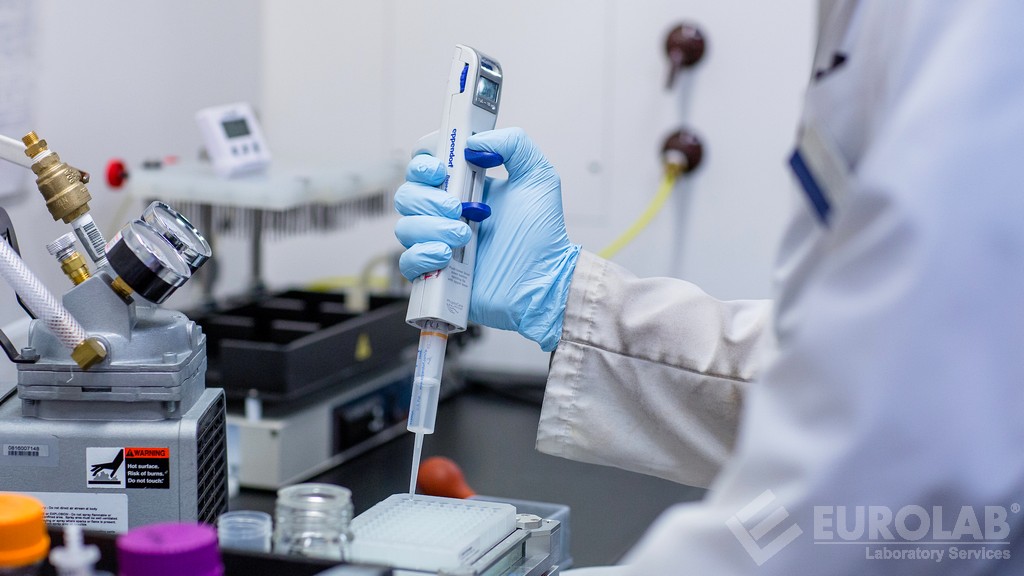

Occupational Health and Safety Management Certification
The Occupational Health and Safety Management System (OHSMS) certification is a crucial component of risk management that ensures workplaces are safe and healthy environments. This certification aligns with international standards such as ISO 45001, which provides a framework for organizations to prevent work-related injury and ill health.
Occupational Health and Safety Management Certification goes beyond mere compliance; it is about fostering a culture of safety where every employee understands their role in maintaining a healthy and safe working environment. This certification focuses on the prevention of accidents and occupational illnesses, promoting continuous improvement through risk assessment and management.
The journey to obtaining this certification involves several steps that are critical for organizations aiming to meet international standards:
- Assessment: The first step in the process is an initial assessment where our team evaluates your current processes. This includes reviewing existing health and safety policies, identifying gaps, and assessing risks.
- Presentation of Findings: After the assessment, we present a detailed report to you, highlighting areas for improvement and providing recommendations tailored to your specific needs.
- Implementation: Our team works closely with your organization to implement the necessary changes. This involves training staff, updating policies, and ensuring that all processes align with ISO 45001 standards.
- Internal Audits: Regular internal audits are conducted throughout the implementation process to ensure compliance and identify any areas that need further attention.
- Final Certification Audit: Once you have successfully implemented the necessary changes, we conduct a final certification audit. This comprehensive review ensures your organization meets all the criteria set by ISO 45001.
- Certification Issuance: Upon successful completion of the final audit, we issue an official certificate recognizing your organization's commitment to Occupational Health and Safety Management.
By obtaining this certification, organizations can demonstrate their dedication to occupational health and safety. This not only enhances employee well-being but also contributes positively to productivity and reputation. Furthermore, it helps in reducing the risk of legal penalties and financial losses associated with workplace accidents and illnesses.
The process involves a structured approach that ensures comprehensive coverage of all relevant aspects of health and safety management. This includes:
- Identifying hazards and risks
- Evaluating control measures
- Implementing preventive actions
- Maintaining records and documentation
- Conducting regular reviews and updates
The implementation of this certification requires a proactive approach to health and safety management. Organizations need to commit resources, time, and effort to ensure the successful attainment and maintenance of ISO 45001 certification.
In summary, obtaining Occupational Health and Safety Management Certification is not just about meeting regulatory requirements; it's about creating a culture of safety that benefits both employees and the organization as a whole. It provides organizations with a robust framework for managing health and safety risks effectively and continuously improving their systems.
Applied Standards
The certification process is aligned with ISO 45001, which sets out the requirements for an occupational health and safety management system. This international standard provides a framework that organizations can use to help them prevent work-related injury and ill health.
ISO 45001 emphasizes the importance of leadership commitment in driving continuous improvement and embedding health and safety into everyday decision-making processes. The standard also focuses on employee involvement, participation, and consultation to ensure that all stakeholders are engaged in the process.
The certification process involves a series of audits conducted by experienced professionals who understand the complexities of occupational health and safety management systems. These audits are designed to verify compliance with ISO 45001 requirements and provide recommendations for continuous improvement.
Through this certification, organizations demonstrate their commitment to creating safe working environments that protect employees from harm. This not only enhances employee well-being but also contributes positively to productivity and reputation. Furthermore, it helps in reducing the risk of legal penalties and financial losses associated with workplace accidents and illnesses.
Customer Impact and Satisfaction
The Occupational Health and Safety Management Certification significantly impacts customers by fostering a safer environment for all parties involved. This certification ensures that health and safety are prioritized, thereby reducing the risk of incidents that could affect customer satisfaction.
By demonstrating compliance with ISO 45001 standards, organizations can enhance their reputation and credibility in the market. This is particularly important for businesses operating in industries where safety and quality are paramount, such as manufacturing, construction, and healthcare.
The certification process also involves regular audits that ensure continuous improvement and alignment with best practices. This commitment to ongoing excellence helps maintain high standards of service and product quality, which directly impacts customer satisfaction.
Customers can have confidence in organizations that hold this certification because they know these businesses are committed to maintaining a safe and healthy environment. This trust translates into increased loyalty and repeat business, as customers value partners who prioritize safety and well-being.
Environmental and Sustainability Contributions
While ISO 45001 primarily focuses on occupational health and safety, there are indirect contributions to environmental sustainability. By reducing the risk of accidents and illnesses, organizations can contribute to better resource management and reduced waste.
- Resource Efficiency: Fewer workplace injuries mean less downtime, leading to more efficient use of resources.
- Eco-Friendly Practices: Safe environments encourage the adoption of practices that minimize environmental impact.
- Better Waste Management: Reduced risk translates into better waste management and recycling practices.
- Employee Well-Being: Healthy employees are more productive, leading to overall operational efficiency which can have positive environmental impacts.
The indirect benefits of ISO 45001 certification extend beyond the immediate workplace, contributing to a broader culture of sustainability and responsibility.