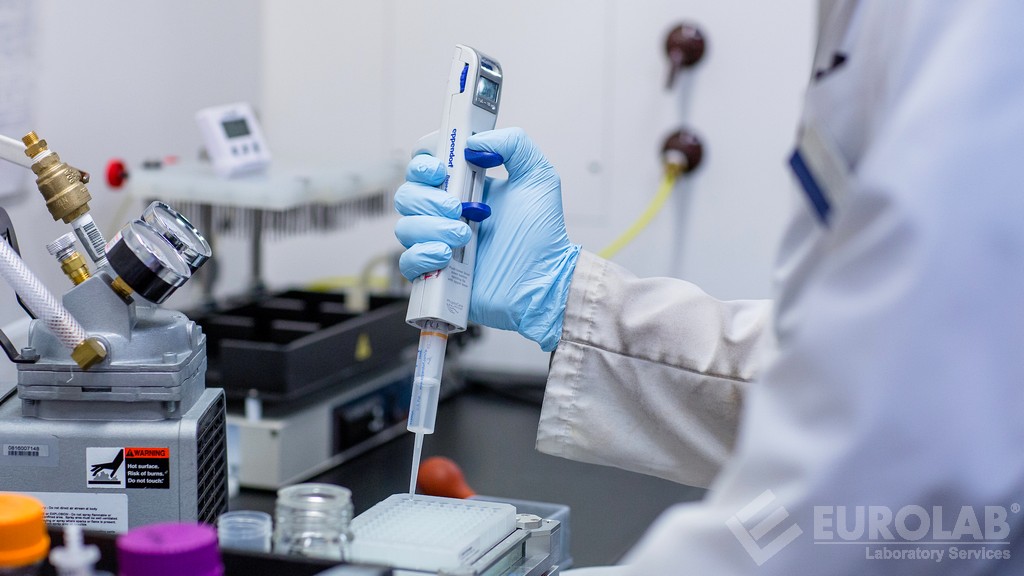

Food Safety Management System Certification
The implementation of a Food Safety Management System (FSMS) is crucial in ensuring that food products are safe for consumption. FSMS certification not only meets regulatory requirements but also enhances the reputation and trustworthiness of a company within its supply chain. The primary goal of an FSMS is to provide a systematic approach to identifying, assessing, and controlling hazards throughout the production process.
The internationally recognized standard for this purpose is ISO 22000:2018. This document provides requirements for implementing, maintaining, and continuously improving food safety management systems to ensure that food safety is addressed within an organization’s food chain. By adhering to these standards, businesses can demonstrate their commitment to food safety, which is critical in today's increasingly demanding market environment.
The certification process involves a series of audits and evaluations conducted by independent bodies accredited by the International Laboratory Accreditation Cooperation (ILAC). These organizations ensure that the systems meet the stringent requirements set forth by ISO 22000. The accreditation not only validates compliance with international standards but also fosters trust among consumers, retailers, and other stakeholders.
Compliance with FSMS certification is particularly important for businesses involved in the manufacturing of packaged foods, beverages, pet food, infant formula, and animal feed. These sectors are subject to stringent regulations due to their direct impact on public health. For example, meat processing plants must adhere to strict hygiene protocols to prevent contamination from pathogens such as Salmonella or E. coli.
However, the benefits of FSMS certification extend beyond mere compliance with legal requirements. Companies that implement a robust FSMS can significantly reduce the risk of foodborne illnesses and product recalls. This reduces costs associated with healthcare expenses and potential financial losses resulting from damaged brand reputation. Moreover, an effective FSMS encourages continuous improvement in processes, leading to enhanced operational efficiency and customer satisfaction.
The certification process begins with a gap analysis conducted by qualified auditors. During this phase, the auditor evaluates existing food safety procedures against ISO 22000 criteria. Based on the findings, recommendations for improvements are made, which could include better training programs, updated documentation, or enhanced monitoring systems. Once these gaps have been addressed, an audit is scheduled to confirm that all necessary controls and processes are in place.
The actual certification process typically involves two stages: a document review followed by a site visit. During the document review, auditors examine internal policies, procedures, and records related to food safety management practices. They look for evidence that demonstrates compliance with ISO 22000 requirements. This includes documentation of hazard analysis, critical control points (HACCP), and corrective actions.
The site visit is then conducted at the production facilities or distribution centers where actual food processing occurs. During this phase, auditors observe operations firsthand to ensure that all aspects of the FSMS are being implemented correctly. They check for proper hygiene practices in kitchens, adherence to temperature controls during storage, and verification of supplier quality assurance measures.
Upon successful completion of both stages, certification is granted to those organizations meeting all specified criteria. Recertification typically takes place annually or biannually depending on the specific industry sector. This ensures ongoing compliance with evolving standards and emerging risks in food safety management.
In summary, Food Safety Management System Certification plays a vital role in safeguarding public health while enhancing business resilience against potential threats. By adhering to international best practices outlined in ISO 22000, companies can build stronger relationships with customers, suppliers, and regulators alike.
Why It Matters
The importance of food safety cannot be overstated given the increasing global demand for safe and wholesome products. Ensuring that food meets strict quality standards is essential not only to protect consumers but also to maintain a positive corporate image. Companies failing to meet these standards risk severe penalties, including fines, legal action, and even closure.
From a regulatory perspective, compliance with FSMS certification ensures adherence to stringent guidelines set by governments worldwide. For instance, the U.S. Food and Drug Administration (FDA) mandates that all food processors follow current Good Manufacturing Practices (cGMPs), which align closely with ISO 22000 principles. Similarly, European Union regulations require member states to enforce harmonized standards across borders.
Consumer trust is another critical factor influenced by food safety practices. In an era where misinformation spreads rapidly via social media platforms, maintaining a transparent approach towards food production helps build long-term loyalty among customers. When consumers know that their favorite brands adhere strictly to high-quality standards, they are more likely to choose them over competitors.
Furthermore, implementing robust FSMS systems contributes positively towards sustainable development goals by minimizing waste generation and promoting responsible resource use throughout the supply chain. This aligns with broader environmental sustainability initiatives aimed at reducing carbon footprints and supporting local economies through fair trade practices.
Beyond compliance considerations, embracing an advanced FSMS framework offers numerous practical advantages for businesses operating within diverse food sectors. These include improved efficiency in production processes, reduced operational costs due to fewer product defects or recalls, enhanced brand reputation, and increased market access opportunities abroad.
In conclusion, adopting Food Safety Management System Certification goes beyond mere compliance; it represents a proactive strategy aimed at fostering safer food practices globally while simultaneously driving economic growth within the industry. By prioritizing this aspect of business operations, companies can contribute significantly towards achieving safer food supply chains while ensuring long-term success and profitability.
Eurolab Advantages
At Eurolab, we pride ourselves on offering comprehensive services that cater specifically to the needs of our clients in various sectors. Our team comprises experts with extensive experience in food safety management systems and related fields, ensuring that every aspect of your certification journey is handled professionally.
We understand that each organization has unique requirements when it comes to achieving FSMS certification. That’s why we tailor our services to fit the specific context of your business, whether you are a small-scale artisanal bakery or a large multinational corporation involved in complex food production processes. Our flexible approach allows us to address individual challenges effectively while maintaining high standards across all operations.
One key advantage offered by Eurolab is our deep understanding of international standards such as ISO 22000:2018. We stay updated on any changes or updates to these guidelines so that you always receive the most current information necessary for successful certification. Our team members regularly participate in training sessions organized by accredited bodies, ensuring they are well-versed in best practices and emerging trends within this rapidly evolving field.
In terms of operational efficiency, Eurolab provides support throughout every stage of the certification process—from initial gap analysis to final audit preparation. This includes providing guidance on necessary documentation requirements, assisting with internal audits, and offering recommendations for improvement based on findings from previous assessments. Our experienced consultants work closely with your team to streamline processes and identify areas where improvements can be made without disrupting daily operations.
Another significant benefit of choosing Eurolab is our commitment to fostering strong relationships built upon mutual trust and respect. We believe that successful certifications are achieved not just through rigorous adherence to regulations but also by maintaining open lines of communication between all parties involved. Our staff members are approachable, responsive, and always available to answer questions or address concerns promptly.
Finally, Eurolab’s global network allows us to provide seamless support for companies operating across borders or dealing with multiple regulatory bodies simultaneously. With offices strategically located in key regions around the world, we can facilitate smooth transitions between different jurisdictions while ensuring consistency in approach and outcome throughout your entire certification journey.
Customer Impact and Satisfaction
The impact of effective Food Safety Management System Certification extends far beyond mere compliance; it significantly enhances customer satisfaction by delivering safer products and more reliable services. When customers know that their favorite brands have passed stringent food safety checks, they feel reassured about the quality and safety of what they are consuming.
From a business perspective, achieving FSMS certification can lead to increased sales and expanded market share as consumers become increasingly aware of brand commitments towards food safety. A study conducted by Deloitte found that companies perceived as leaders in corporate social responsibility (CSR) saw revenue growth rates twice those of their peers over a five-year period. This underscores the importance of aligning business practices with consumer values, particularly regarding health and well-being.
The certification process itself plays an integral role in improving customer confidence by demonstrating transparency in operations. By openly sharing information about how food is produced under strict hygiene conditions, businesses foster trust among their target audiences. This openness encourages customers to view brands favorably and consider them as partners rather than mere suppliers of goods.
In addition to enhancing reputational capital, FSMS certification also contributes positively towards reducing risks associated with product recalls or legal actions resulting from incidents involving contaminated products. According to a report published by the World Health Organization (WHO), foodborne illnesses cost the global economy approximately $10 billion annually. By preventing such occurrences through proactive measures like those outlined in ISO 22000, companies contribute significantly towards mitigating these costs and safeguarding public health.
Moreover, implementing robust FSMS systems promotes continuous improvement within organizations by encouraging regular reviews of existing practices and identifying opportunities for enhancement. This mindset fosters innovation and creativity among employees at all levels, leading to better outcomes not only in terms of food safety but also operational excellence across various departments.
In summary, achieving Food Safety Management System Certification has far-reaching implications for both businesses and consumers alike. It strengthens customer relationships, boosts sales performance, and reduces potential risks associated with non-compliance or product defects. By prioritizing this aspect of operations, companies can establish themselves as leaders in food safety management while contributing positively towards broader societal goals.