
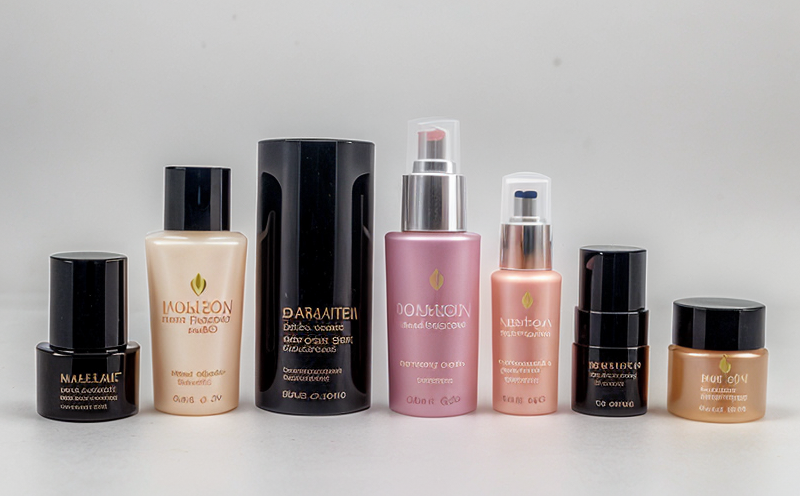
Light Transmission Testing for Cosmetic Containers
The importance of light transmission testing in cosmetic containers cannot be overstated. Light transmission is a critical factor that ensures the aesthetic appeal and functionality of cosmetic products, especially when it comes to packaging design and material selection.
Cosmetic products are highly sensitive to changes in light conditions, which can affect their color, texture, and overall appearance. This sensitivity makes it essential for manufacturers to test how different materials interact with light. The goal is to ensure that the container does not alter the product's appearance or quality during storage and use.
Light transmission testing helps identify whether a container will distort colors or change the perception of the product inside. It also assesses if the packaging could potentially lead to fading, discoloration, or other changes in the cosmetic product over time. This testing is particularly important for products that come into contact with light during their lifecycle.
The testing process involves exposing the container to a controlled light source and measuring how much of the transmitted light passes through it. The results provide insights into the optical properties of the packaging material, which can help in selecting materials that meet both aesthetic and functional requirements. This ensures that the cosmetic products retain their original appearance and quality throughout their shelf life.
For manufacturers, this service is essential for meeting regulatory standards and ensuring product integrity. It also aids in optimizing product design by providing data on how different packaging materials interact with light. The testing can help in making informed decisions about material composition, thickness, and surface treatments to achieve the desired optical performance.
| Aspect | Description |
|---|---|
| Light Source | The testing typically uses a white light source with a wavelength range of 380 to 750 nm, which simulates natural sunlight. |
| Specimen Preparation | The containers are prepared by cutting the material into standard sizes and shapes, ensuring that they can be accurately placed in the testing apparatus. |
| Instrumentation | The testing is conducted using a spectrophotometer or similar device capable of measuring light transmission over the specified wavelength range. |
Scope and Methodology
- The testing involves exposing the container to a controlled white light source with a wavelength ranging from 380 nm to 750 nm.
- The specimen is prepared by cutting the material into standard sizes, ensuring accurate placement in the testing apparatus.
| Aspect | Description |
|---|---|
| Light Source | A white light source with a wavelength range of 380 to 750 nm is used, which simulates natural sunlight. |
| Specimen Preparation | The containers are prepared by cutting the material into standard sizes and shapes, ensuring they can be accurately placed in the testing apparatus. |
| Instrumentation | The testing is conducted using a spectrophotometer or similar device capable of measuring light transmission over the specified wavelength range. |
International Acceptance and Recognition
- The International Organization for Standardization (ISO) publishes standards on light transmission, such as ISO 13956:2014.
- National standards organizations like ASTM, EN, IEC, and others also provide guidelines that are widely accepted in the industry.
Light transmission testing is a globally recognized process used to ensure product integrity. Compliance with these international standards helps manufacturers meet regulatory requirements and gain market acceptance. It ensures that products are safe, effective, and meet consumer expectations regarding appearance and quality.
Regulatory bodies around the world rely on light transmission tests as part of their approval processes for cosmetic containers. This includes ensuring that materials do not interfere with the safety or efficacy of the product. The acceptance of these standards by various countries enhances the competitive advantage of manufacturers who comply with them.
Competitive Advantage and Market Impact
- Compliance with international light transmission testing standards can differentiate a product in the market, leading to increased sales.
- Manufacturers who adhere to these standards are often perceived as more responsible and trustworthy by consumers.
Light transmission testing plays a crucial role in ensuring that cosmetic containers meet both aesthetic and functional requirements. By using this service, manufacturers can enhance their product's marketability and consumer appeal. This, in turn, can lead to increased sales and brand loyalty. Additionally, compliance with international standards can open doors to new markets and regulatory approvals.
Competitors who do not adhere to these testing protocols may face challenges in maintaining consistent product quality and appearance, potentially leading to a loss of market share. The service ensures that manufacturers are at the forefront of industry best practices, giving them a competitive edge in an increasingly regulated and consumer-conscious marketplace.