
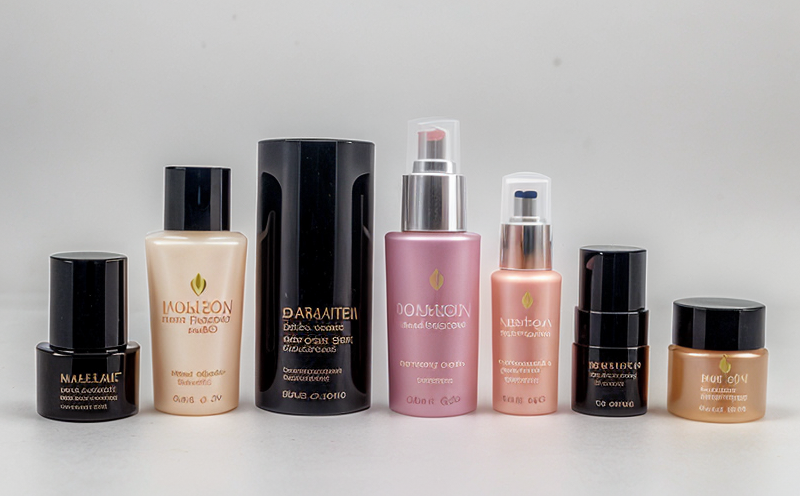
Child-Resistant Cosmetic Packaging Safety Testing
Child-resistant packaging (CRP) is a critical component in the safety design of cosmetic products, especially those containing potentially harmful substances such as medications or chemicals. CRP ensures that children cannot easily open containers, reducing the risk of accidental ingestion and misuse. This service focuses on testing the effectiveness of child-resistant closures to meet regulatory requirements and industry standards.
The testing process involves subjecting the packaging to a series of mechanical stress tests designed to simulate real-world conditions. These tests are aimed at assessing the closure's ability to withstand repeated attempts by an adult, while ensuring that it remains child-resistant under normal use. The goal is to balance functionality and safety without compromising the integrity or appeal of the product.
For cosmetic products, CRP testing can be particularly challenging due to the diverse range of packaging materials used. From glass containers with metal caps to plastic bottles with child-proof closures, each type requires specific handling during testing. The tests are conducted in accordance with international standards such as ASTM F1381 and ISO 8346, which provide guidelines for evaluating the effectiveness of CRP.
During the testing process, specimens are subjected to a series of mechanical stress tests that simulate real-world conditions. These include:
- Simulated child attempts
- Adult handling scenarios
- Environmental factors such as temperature and humidity
The testing apparatus used in this service includes specialized equipment designed to replicate the forces children might apply when trying to open a container. This ensures that the test results are accurate and reliable, providing manufacturers with valuable insights into the safety of their products.
In addition to mechanical stress tests, the closure's functionality is also evaluated through visual inspections and leak testing. Visual inspections ensure that there are no visible defects or damages that could compromise the child-resistant feature. Leak testing checks for any potential leaks in the container, which could lead to product contamination or loss.
Once the tests are completed, a detailed report is generated summarizing the results of each test. This report provides a comprehensive overview of the closure's performance, highlighting any areas where improvements may be needed. The report also includes recommendations for enhancing the child-resistant feature without compromising functionality or aesthetics.
Applied Standards
| Standard Number | Description | Scope |
|---|---|---|
| ASTM F1381-20 | American Society for Testing and Materials standard for child-resistant closures. | Details the test methods for evaluating the effectiveness of child-resistant closures on containers containing hazardous materials. |
| ISO 8346:2010 | International Organization for Standardization standard regarding child-proof packaging. | Provides requirements and methods for the design, testing, and certification of child-resistant closures. |
| EN 1736:2008 | European standard for child-resistant packaging. | Sets out specific criteria for the design and performance evaluation of child-proof containers. |
International Acceptance and Recognition
Child-resistant packaging is a global concern, and it is important that the testing methods used are recognized internationally. The standards mentioned above have gained widespread acceptance in many countries around the world. Compliance with these standards ensures that products meet local regulations and can be sold freely across different markets.
In addition to regulatory compliance, international recognition of CRP testing enhances a company's reputation for safety and reliability. This is particularly important for cosmetic manufacturers who are aiming to expand their market reach or enter new territories. By adhering to these standards, they demonstrate their commitment to ensuring the well-being of consumers.
Competitive Advantage and Market Impact
In today's competitive market, ensuring product safety is not only a legal requirement but also a significant differentiator. Consumers are increasingly aware of the importance of child-proofing in cosmetics and other household products. By investing in CRP testing services, manufacturers can gain a competitive edge by offering safer products that meet or exceed industry standards.
Meeting these safety requirements can lead to increased consumer trust and loyalty. This is especially true for high-risk products like medications and chemicals, which are often contained within cosmetic packaging. By demonstrating their commitment to safety, manufacturers can build a strong brand reputation, which translates into higher sales and customer retention.