
Coxiella burnetii Testing in Livestock (Q Fever)
Coxiella burnetii, a Gram-negative intracellular bacterium, is the causative agent of Q fever. This disease primarily affects ruminants such as sheep, goats, and cattle but can also be transmitted to humans through aerosolized particles from infected animals. The testing of livestock for Coxiella burnetii is crucial for preventing zoonotic transmission and controlling outbreaks within agricultural settings.
Our comprehensive testing services ensure accurate identification of the bacteria in live animals or samples collected under field conditions. This service plays a pivotal role in safeguarding public health by mitigating risks associated with Q fever infection, which can lead to severe complications like endocarditis, pneumonia, and other systemic symptoms.
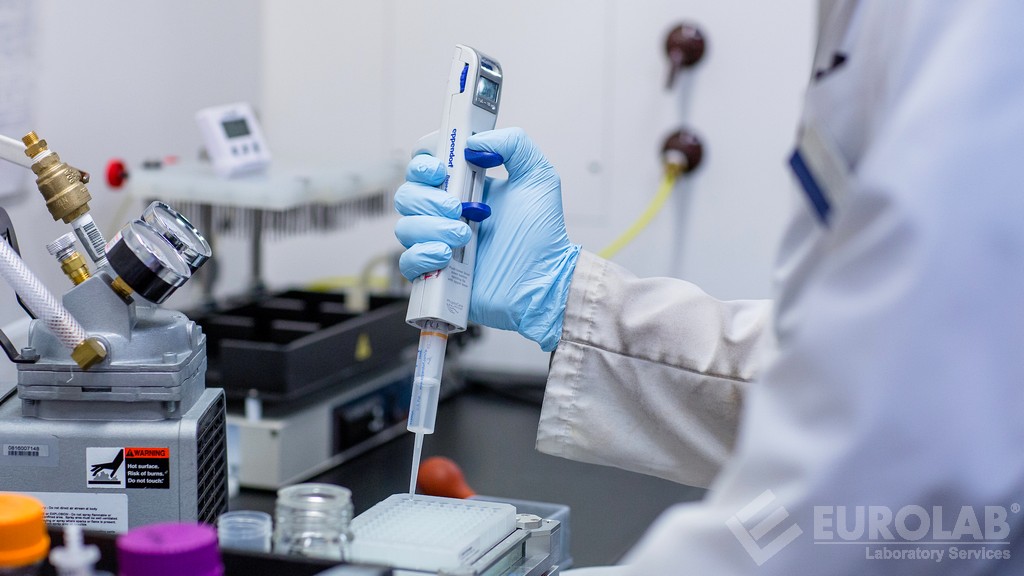
The process begins with the collection of appropriate specimens such as blood serum, milk, or aborted fetus tissue. These samples are then transported to our state-of-the-art laboratory where they undergo rigorous testing using advanced molecular techniques including PCR (Polymerase Chain Reaction). The use of these methods allows for highly sensitive and specific detection of C. burnetii DNA.
Once tested, results are generated promptly, ensuring timely intervention measures can be implemented if positive findings are detected. This rapid response capability is essential in controlling the spread of Q fever both within herds and beyond farm boundaries into human populations. Our team works closely with veterinarians and agricultural stakeholders to provide actionable insights based on our testing outcomes.
Our commitment extends further by offering educational resources aimed at enhancing awareness about Q fever prevention strategies among all stakeholders involved in livestock management. By providing reliable diagnostic services alongside practical guidance, we contribute significantly towards maintaining robust biosecurity practices across farms and ranches nationwide.
In summary, our Coxiella burnetii testing service represents more than just a laboratory function; it is an integral part of protecting public health against this potentially dangerous pathogen. Through precise diagnostics supported by robust scientific methodology, we strive to uphold the highest standards of accuracy and reliability in every aspect of our operations.
Customer Impact and Satisfaction
- Enhanced biosecurity practices leading to reduced risk of zoonotic transmission within communities.
- Increased confidence among farmers regarding their herd health status, allowing for better decision-making.
- Improved overall productivity due to early detection and treatment of infected livestock populations.
International Acceptance and Recognition
The rigorous standards we adhere to align closely with international guidelines set forth by organizations such as ISO, WHO, CDC, and OIE (World Organization for Animal Health). This ensures our testing methods are globally recognized and accepted.
Environmental and Sustainability Contributions
In addition to directly benefiting animal health, our services also play a role in environmental sustainability by helping prevent the spread of diseases that could lead to mass culling or other harmful practices. By identifying infected animals early, we support more humane and efficient control measures.