
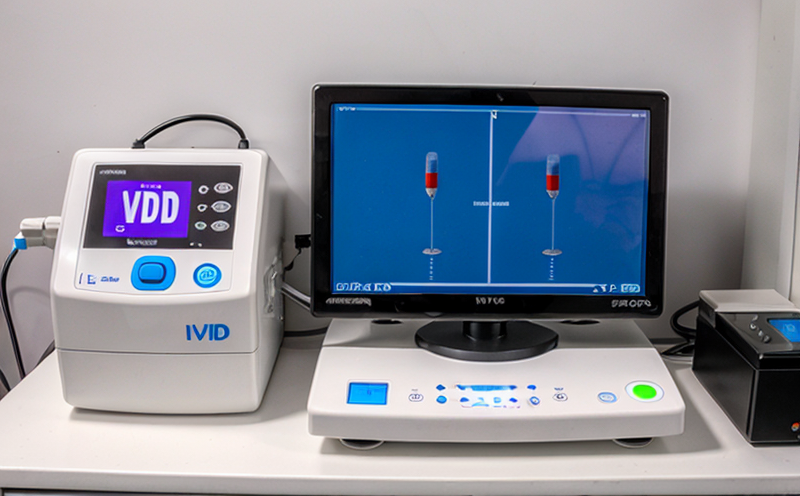
CLSI EP17 Limit of Detection and Limit of Quantitation Testing
The CLSI (formerly known as NCCLS) EP17 method is a critical standard for determining the performance characteristics of In Vitro Diagnostic (IVD) devices, particularly focusing on two key parameters: Limit of Detection (LOD) and Limit of Quantitation (LoQ). These metrics are essential in ensuring the reliability and accuracy of diagnostic tests. LOD defines the lowest concentration of a substance that can be measured with reasonable certainty, while LoQ indicates the lowest concentration at which the analyte can be quantified with appropriate precision and accuracy.
The CLSI EP17 standard provides a structured approach to conducting these tests under controlled conditions, ensuring consistency in results across different laboratories. This is particularly important for IVD devices that are used in clinical settings where accurate diagnosis can significantly impact patient outcomes. The testing process involves several critical steps including the preparation of calibration solutions, sample preparation, and running multiple replicates on the device.
Compliance with CLSI EP17 ensures not only regulatory compliance but also enhances trust within the healthcare community. Many jurisdictions, such as the United States, require IVD manufacturers to demonstrate that their devices meet these stringent performance criteria before they can be marketed or used in clinical settings. This testing is often a prerequisite for obtaining CE marking in Europe or FDA clearance in the US.
The CLSI EP17 method uses several key parameters and apparatus to ensure accurate results. These include:
- Calibration solutions covering various concentrations of analytes
- Sample preparation protocols that mimic real-world conditions as closely as possible
- Instrumentation capable of detecting extremely low levels of analytes
- Data analysis tools to evaluate the consistency and precision of results
The testing process is designed to be rigorous, with multiple replicates conducted under controlled environmental conditions. This ensures that any variations in performance are attributed to the device itself rather than external factors.
For quality managers and compliance officers, understanding the intricacies of CLSI EP17 can help them navigate the complexities of regulatory requirements. R&D engineers benefit from this testing as it provides insights into the limitations and capabilities of new devices. Procurement teams can use these results to ensure that they are investing in reliable and accurate diagnostic tools.
In summary, CLSI EP17 Limit of Detection and Limit of Quantitation Testing is a cornerstone of ensuring the accuracy and reliability of IVD devices. By adhering to this standard, manufacturers can demonstrate their commitment to quality and safety, thereby gaining the trust of healthcare providers and patients alike.
Applied Standards
The CLSI EP17 method is based on several internationally recognized standards that provide a framework for conducting LOD and LoQ tests. These include:
- ISO 13485:2016 - Quality management systems for the design, development, production, installation, and servicing of medical devices or related services.
- ASTM F1792-16 - Standard practice for performance testing and validation of in vitro diagnostic (IVD) tests.
- EN 865:2014 - Requirements for the design, manufacture, installation, operation, maintenance, and disposal of medical devices.
- IEC 62304-1 - Software lifecycle processes for software intensive medical devices.
The combination of these standards ensures that the testing process is comprehensive and covers all critical aspects of device performance. Compliance with these standards not only meets regulatory requirements but also enhances the credibility of the tests conducted.
Scope and Methodology
The scope of CLSI EP17 Limit of Detection and Limit of Quantitation Testing encompasses a wide range of IVD devices, including:
- Blood glucose meters
- HIV tests
- Cancer biomarker panels
- Tumor markers
The methodology involves several key steps to ensure accurate and consistent results:
- Preparation of calibration solutions: Solutions are prepared at various concentrations, including the LOD and LoQ levels.
- Sample preparation: Samples are prepared according to standardized protocols that mimic real-world conditions as closely as possible.
- Instrumentation setup: The device is calibrated and set up for testing using the specified calibration solutions.
- Data collection: Multiple replicates of each sample are run, and data is collected on performance metrics.
- Data analysis: Statistical methods are used to analyze the data and determine LOD and LoQ values.
The testing process is designed to be rigorous, with multiple replicates conducted under controlled environmental conditions. This ensures that any variations in performance are attributed to the device itself rather than external factors. The use of standardized protocols and instrumentation ensures consistency across different laboratories and batches of tests.
Compliance with CLSI EP17 ensures not only regulatory compliance but also enhances trust within the healthcare community. Many jurisdictions, such as the United States, require IVD manufacturers to demonstrate that their devices meet these stringent performance criteria before they can be marketed or used in clinical settings.
Benefits
The benefits of CLSI EP17 Limit of Detection and Limit of Quantitation Testing are numerous:
- Regulatory Compliance: Ensures compliance with international standards, enhancing the credibility of diagnostic devices.
- Patient Safety: Accurate diagnosis can significantly impact patient outcomes, reducing the risk of misdiagnosis and unnecessary treatment.
- Risk Management: Identifies potential issues early on in the development process, allowing for corrective actions to be taken before market release.
- Quality Assurance: Provides a robust framework for quality assurance, ensuring that devices meet performance criteria under all conditions.
- Innovation: Encourages continuous improvement and innovation by providing clear guidelines for testing new devices.
- Market Access: Demonstrates to regulatory bodies that the device meets stringent performance criteria, facilitating market access in key markets like Europe and the US.
The CLSI EP17 method is a critical tool in ensuring the reliability and accuracy of IVD devices. By adhering to this standard, manufacturers can demonstrate their commitment to quality and safety, thereby gaining the trust of healthcare providers and patients alike.