ASTM B571 Adhesion Testing of Metallic Coatings
The ASTM B571 standard provides a method to measure the adhesion strength between metallic coatings and substrates. This test is critical in ensuring that the coating remains intact under various environmental conditions, mechanical stresses, or during manufacturing processes such as machining, welding, or assembly.
Adhesion testing helps prevent premature failure of coated materials which can lead to costly downtime, product recalls, and customer dissatisfaction. It ensures that coatings are reliable, durable, and meet quality standards. This test is particularly important in sectors where the integrity of metallic surfaces plays a crucial role such as aerospace, automotive, and construction.
The ASTM B571 test involves several steps including preparing the specimen, applying the coating, curing if necessary, and then adhesion testing. The test can be performed using different methods like pull-off tests or shear strength tests, depending on the requirements of the application. For instance, in aerospace, a pull-off method may be preferred to simulate the stress experienced by components during flight.
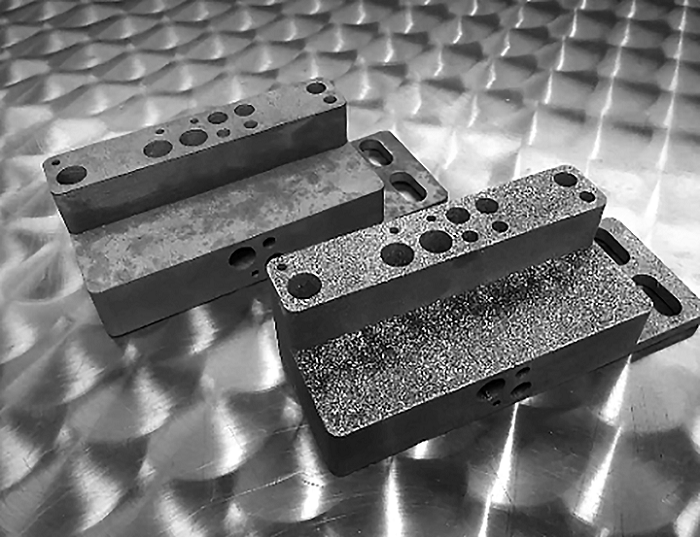
The specimen is usually prepared from an uncoated substrate that closely represents the material to be coated. The coating can then be applied using various methods such as electroplating, spraying, or dipping. Once the coating has been applied and allowed to cure if necessary, it undergoes adhesion testing.
The testing process involves attaching a known force to the specimen and measuring how much of the coating remains adherent after this force is applied. The results provide a quantitative measure of the adhesion strength which can then be compared against industry standards or specifications set by customers or regulatory bodies.
This test is not just about checking surface integrity; it also provides insights into the compatibility between different materials used in manufacturing processes. By understanding how well a coating adheres to its substrate, manufacturers can make informed decisions about material selection and process optimization.
The importance of ASTM B571 cannot be overstated in ensuring product reliability and safety. A poorly adhered coating could lead to premature failure or corrosion which could have severe consequences especially in critical industries such as aerospace where any failure could result in loss of life.
Why It Matters
The ASTM B571 adhesion test is crucial for ensuring that the metallic coating adheres properly to its substrate. Proper adhesion is essential because it prevents the coating from peeling off under stress or exposure to environmental factors like humidity, temperature changes, and chemicals.
When a coating does not adhere well, it can lead to issues such as corrosion, reduced durability, and potential failure of the component. This could result in significant financial losses due to rework, product recalls, and warranty claims. In critical industries like aerospace or automotive manufacturing, where safety is paramount, poor adhesion can have catastrophic consequences.
Furthermore, ensuring proper adhesion helps maintain the integrity and performance of the coated material over its lifecycle. It ensures that the coating continues to provide protection against wear, corrosion, and other forms of degradation for as long as possible.
The ASTM B571 test also aids in quality control by providing a standardized method of assessing adhesion strength. This allows manufacturers to compare results consistently across different batches or suppliers, ensuring that the product meets the required standards and specifications.
Why Choose This Test
Selecting ASTM B571 for your metal coating adhesion testing is a strategic choice. This test offers several advantages over other methods of assessing adhesion strength, making it the preferred option for many industries.
The first advantage is its standardization. ASTM B571 provides clear guidelines on how to conduct the test, ensuring that results are consistent and reliable regardless of who performs the testing. This standardization promotes trust and confidence in the results both within an organization and with external stakeholders like customers and regulatory bodies.
Another key advantage is its versatility. The ASTM B571 method can be adapted to suit different types of coatings, substrates, and applications. Whether you are dealing with complex aerospace components or simple automotive parts, this test can provide accurate results tailored to your specific needs.
The test also offers flexibility in terms of the equipment used. While it is a relatively straightforward process, there are various tools that can be used depending on the size and nature of the specimen being tested. This flexibility ensures that you can choose the most appropriate method for your particular application without compromising on accuracy.
Lastly, choosing ASTM B571 demonstrates commitment to quality and reliability. By adhering to this standard, you are signaling to all parties involved in the supply chain that you take product integrity seriously. This can enhance your reputation as a reliable supplier, which is crucial for long-term business success.
Quality and Reliability Assurance
ASTM B571 adhesion testing plays an essential role in quality and reliability assurance within manufacturing processes. By ensuring that metallic coatings adhere properly to their substrates, this test helps prevent costly failures and enhances product performance.
One of the primary goals of quality control is to identify defects early in the production process so they can be corrected before reaching the end customer. ASTM B571 provides a reliable method for detecting such defects by assessing how well the coating remains attached during testing. Any discrepancies from expected results indicate potential issues that need addressing.
In addition to defect detection, adhesion tests like those specified in ASTM B571 contribute significantly to enhancing overall product performance. Well-adhered coatings provide better protection against environmental factors such as moisture and corrosion, extending the lifespan of products made with these materials.
Reliability assurance is another critical aspect where ASTM B571 shines. By consistently meeting industry standards through rigorous testing procedures, manufacturers can ensure their products perform reliably under expected conditions throughout their lifecycle. This builds customer confidence in the quality and durability of the product, leading to repeat business and positive brand reputation.
For organizations operating internationally or dealing with diverse markets, adhering to global standards like ASTM B571 is particularly important. It ensures that products meet international requirements while also being competitive globally. This harmonization supports broader market access and compliance with regulatory expectations across various countries.