
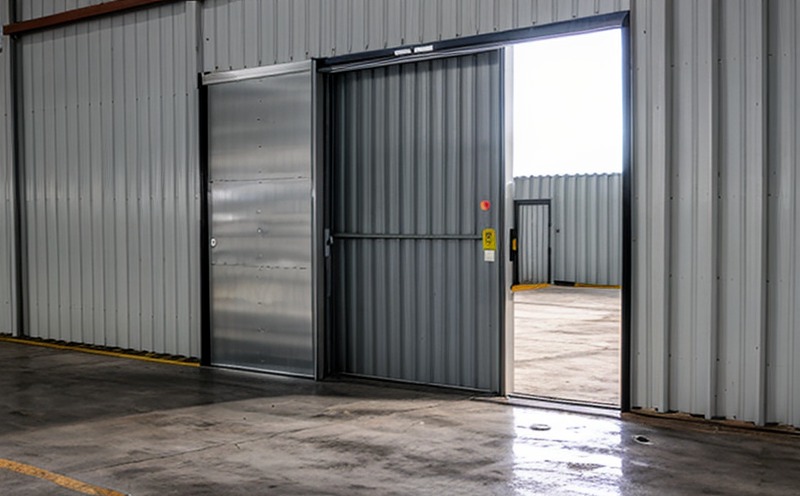
Warehouse door inspection
The integrity and functionality of warehouse doors are critical to maintaining operational efficiency, compliance with safety standards, and minimizing risks associated with structural failure. Warehouse doors must withstand significant loads, resist weather conditions, and ensure secure access, all while adhering to strict regulatory requirements. Regular inspections play a pivotal role in identifying potential issues before they escalate into costly repairs or accidents.
Warehouse door inspection involves the thorough evaluation of various components such as the door frame, hardware, seals, and hinges. This process ensures that doors are not only structurally sound but also meet all applicable safety standards. During an inspection, technicians assess the door's alignment with its frame to ensure proper operation and energy efficiency. They evaluate the condition of weatherstripping and seals to prevent leaks and drafts, which can significantly impact heating or cooling costs.
The use of advanced non-destructive testing (NDT) techniques is essential in this process. For instance, ultrasonic testing can detect internal defects in metal components without compromising their integrity. Visual inspections combined with NDT methods allow for the identification of early signs of wear and tear, corrosion, or structural damage.
Compliance with industry standards such as ANSI/AWS Z49.1-2017 is crucial for ensuring that warehouse doors meet quality assurance expectations. These standards provide guidelines on materials selection, fabrication processes, and testing protocols to ensure consistent performance across different environments. Proper adherence to these standards helps maintain a safe working environment while minimizing the risk of accidents or costly repairs.
Regular inspections also help in identifying opportunities for improving energy efficiency. By ensuring that doors are properly sealed and functioning optimally, companies can reduce heating and cooling costs. Additionally, maintaining door integrity reduces the likelihood of unauthorized access, enhancing overall security within the facility.
In conclusion, a well-executed warehouse door inspection is essential for optimizing operational effectiveness, compliance with safety regulations, and cost management. By addressing potential issues promptly through regular inspections, organizations can extend the lifespan of their facilities while ensuring a safe working environment.
Applied Standards
The inspection of warehouse doors must adhere to several international standards that ensure both safety and compliance with legal requirements. The American Society for Testing and Materials (ASTM) provides numerous standards relevant to structural components, including ASTM E139-18, which specifies the tensile testing methods used for metallic materials. ASTM D6502 covers the measurement of adhesion between coatings and substrates, crucial for assessing weatherstripping integrity.
The American National Standards Institute (ANSI) also contributes significantly to this field with ANSI/AWS Z49.1-2017, which addresses welding and allied processes. This standard ensures that any modifications or repairs made during inspections are conducted safely and according to best practices. Similarly, ISO 3658:2016 outlines the procedures for determining thickness in metallic materials, important for evaluating door frame integrity.
For seals and weatherstripping specifically, EN 1794-2 provides detailed requirements on performance criteria under various conditions. This standard ensures that these components not only meet durability expectations but also contribute effectively to energy efficiency by preventing air leakage.
The International Electrotechnical Commission (IEC) adds its perspective with IEC 60335, focusing on the safety aspects of electrical appliances. While primarily aimed at consumer electronics, certain principles can be applied analogously to ensure that all electronic components used in inspection tools are reliable and safe.
These standards collectively form a robust framework ensuring that every aspect of warehouse door inspection is covered comprehensively, thereby promoting both operational efficiency and safety.
Industry Applications
- Manufacturing Facilities: Ensures smooth material flow and prevents unauthorized access.
- Distribution Centers: Maximizes storage capacity by optimizing door operation and reducing energy consumption.
- Retail Warehouses: Enhances security measures while ensuring efficient stock management processes.
- Logistics Companies: Streamlines delivery operations by minimizing downtime associated with faulty doors.
- Industrial Plants: Protects sensitive equipment from environmental factors that can lead to premature degradation.
In each of these applications, warehouse door inspection serves as a cornerstone for maintaining optimal operational efficiency and safety standards. By adhering strictly to the aforementioned international standards, companies ensure not only compliance but also enhanced performance across all sectors.
Competitive Advantage and Market Impact
Regularly inspecting warehouse doors offers significant advantages in the competitive landscape of logistics and warehousing industries. Companies that invest in comprehensive inspections demonstrate a commitment to safety, which can enhance their reputation among clients and stakeholders alike. This proactive approach not only reduces the risk of accidents but also minimizes potential downtime caused by unexpected failures.
Furthermore, compliance with stringent standards like those provided by ASTM, ANSI, ISO, IEC, and EN ensures that facilities operate at peak efficiency levels. Efficient doors mean lower energy costs due to reduced air leakage, contributing positively towards corporate sustainability goals. Such practices appeal particularly well to environmentally conscious consumers who prioritize eco-friendly operations.
From a market perspective, maintaining high-quality warehouse infrastructure is increasingly becoming an expectation rather than just a luxury. Organizations that excel in this area are likely to attract more business partners and customers willing to partner with reliable providers of logistics solutions. Thus, investing in regular inspections translates into long-term competitive advantages and stronger market positions.
The proactive nature of these inspections also helps anticipate future challenges before they become critical issues. By staying ahead of potential problems through continuous monitoring and maintenance, businesses can ensure sustained operational excellence over extended periods.