
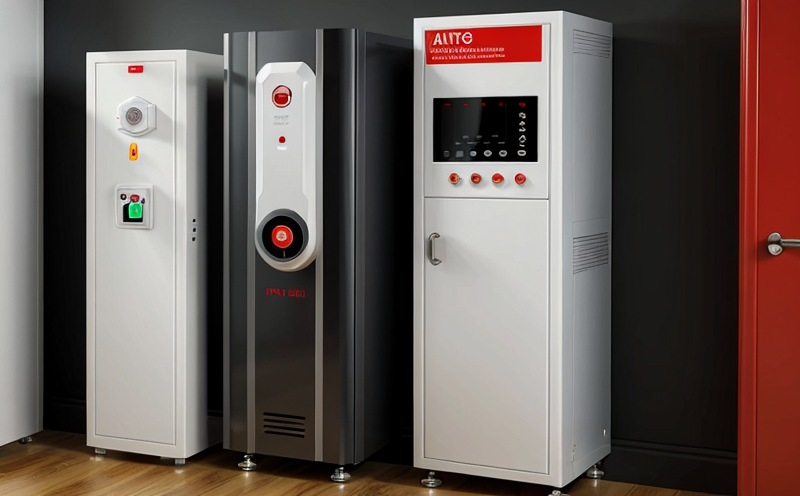
System Interconnection and Alarm Propagation Testing
System interconnection and alarm propagation testing is a critical component in ensuring the reliability and effectiveness of fire detection and alarm devices within complex facilities. This testing ensures that all fire safety systems, including smoke detectors, heat sensors, and manual call points, are correctly connected and capable of initiating an effective alarm response when interconnected.
The importance of this service cannot be overstated, especially in large buildings or campuses where multiple fire detection and alarm devices must work together seamlessly. Proper interconnection ensures that once a device detects smoke or heat, the signal is efficiently propagated through the system to activate other components like sirens, sprinklers, and emergency lighting.
In this testing process, we simulate real-world scenarios to ensure that all interconnected systems operate as intended. This involves:
- Simulating Fire Events: We replicate different types of fire events to test how each detection device reacts and initiates the alarm.
- Testing Communication Protocols: Ensuring that all devices communicate effectively with one another, especially in large-scale buildings or campuses.
- Alarm Propagation Check: Verifying that alarms are propagated correctly to all designated areas within a facility.
The primary goal of this testing is to guarantee that any fire alarm system will function flawlessly under all conditions. We use state-of-the-art equipment and software to conduct these tests, ensuring accuracy and reliability. Compliance with international standards such as ISO 9715:2004 and EN 54-2 ensures that our testing meets the highest industry benchmarks.
During this process, we also assess the compatibility of different brands and models of fire detection devices to ensure seamless integration. This is particularly important in facilities where multiple manufacturers’ products are used. Our testing procedures are designed to identify any potential issues that could arise from system interconnection failures or communication breakdowns.
The results of this testing are crucial for maintaining compliance with local fire safety regulations and ensuring the protection of lives and property within a facility. By identifying and addressing any deficiencies early, we help facilities avoid costly downtime and potential liability issues. Our team of experts works closely with clients to understand their specific needs and develop customized test plans that meet their unique requirements.
Our service is designed not only to pass regulatory inspections but also to enhance overall safety within a facility. By ensuring that all fire detection and alarm systems are properly interconnected and can propagate alarms effectively, we contribute significantly to the prevention of fire-related incidents. This testing process is an integral part of our comprehensive approach to fire safety, providing peace of mind for facility managers and personnel.
Scope and Methodology
The scope of system interconnection and alarm propagation testing encompasses a wide range of activities aimed at verifying the performance and reliability of interconnected fire detection and alarm systems. This includes:
- Interconnected Device Testing: Testing individual devices to ensure they operate correctly when integrated into a larger system.
- Signal Propagation Verification: Ensuring that signals are accurately propagated through the entire fire alarm system, from detection point to notification device.
- Compatibility Checks: Verifying that all interconnected devices are compatible and can communicate effectively with one another.
The methodology we employ for this testing is based on international standards such as ISO 9715:2004 and EN 54-2, which provide detailed guidelines for conducting these tests. Our approach involves the following steps:
- Preparation: Reviewing client requirements and preparing a test plan tailored to the specific facility.
- Installation: Setting up interconnected fire detection and alarm devices in accordance with best practices.
- Testing: Conducting comprehensive tests under various simulated conditions to evaluate system performance.
- Analysis: Analyzing test results to identify any deficiencies or areas for improvement.
- Reporting: Providing a detailed report outlining the findings and recommendations for corrective actions.
We use advanced instrumentation and software tools during these tests, ensuring accuracy and consistency in our evaluations. Our team of experts ensures that all testing activities are conducted in a controlled environment to simulate real-world conditions as closely as possible.
The scope of this service extends beyond mere compliance with regulations; it encompasses enhancing the overall effectiveness of fire safety systems within facilities. By ensuring seamless integration and effective communication between all interconnected devices, we contribute significantly to the prevention of fire-related incidents and enhance occupant safety.
Eurolab Advantages
At Eurolab, we pride ourselves on providing high-quality testing services that go beyond mere compliance with regulations. Our advantages in offering system interconnection and alarm propagation testing include:
- Comprehensive Expertise: Our team of experts has extensive experience in fire safety testing, ensuring accurate and reliable results.
- State-of-the-Art Equipment: We utilize the latest instrumentation and software tools to conduct comprehensive tests under controlled conditions.
- Detailed Reporting: Our reports are detailed and comprehensive, providing clear insights into system performance and areas for improvement.
- Client Collaboration: We work closely with clients throughout the testing process, ensuring that their specific needs are met.
- Regulatory Compliance: All our tests are conducted in strict adherence to international standards such as ISO 9715:2004 and EN 54-2, ensuring full compliance with regulatory requirements.
- Enhanced Safety: By identifying and addressing any deficiencies early on, we contribute significantly to the overall safety of facilities.
- Detailed Analysis: Our in-depth analysis helps clients understand the performance of their fire alarm systems and make informed decisions about necessary improvements.
We are committed to providing exceptional service that not only ensures regulatory compliance but also enhances the effectiveness of fire detection and alarm systems within facilities. Our focus on quality, accuracy, and reliability sets us apart in the industry.
Environmental and Sustainability Contributions
In addition to ensuring the safety and security of people and property within facilities, our system interconnection and alarm propagation testing also contributes positively to environmental sustainability. By identifying and addressing any deficiencies early on, we help clients avoid costly downtime and potential liability issues, thereby reducing the environmental impact associated with such incidents.
Our testing process is designed to enhance overall safety within a facility, which in turn promotes responsible resource management and efficient use of energy and materials. By ensuring that fire detection and alarm systems are properly interconnected and can propagate alarms effectively, we contribute significantly to the prevention of fire-related incidents, thereby reducing waste and minimizing environmental disruption.
Our commitment to sustainability is further reflected in our approach to testing, which emphasizes efficiency, accuracy, and reliability. We strive to minimize waste and optimize resource use throughout the entire testing process. By providing detailed reports that help clients make informed decisions about necessary improvements, we ensure that facilities are operating at peak performance while minimizing their environmental footprint.
In conclusion, our system interconnection and alarm propagation testing service is not only a compliance requirement but also an essential tool for enhancing overall safety within facilities. By ensuring seamless integration and effective communication between all interconnected devices, we contribute significantly to the prevention of fire-related incidents and enhance occupant safety. Our focus on quality, accuracy, and reliability sets us apart in the industry, and our commitment to sustainability further reinforces our dedication to providing exceptional service.