Structural Safety Certification
The process of structural safety certification is crucial in ensuring that buildings and infrastructure comply with strict standards and regulations set forth by national and international authorities. This service ensures the integrity, stability, and durability of structures, thereby protecting lives and property from potential hazards such as earthquakes, windstorms, and other environmental factors.
At Eurolab, our structural safety certification services are designed to provide comprehensive assessments that meet the highest industry standards. Our team of experts uses advanced technology and methodologies to evaluate the structural components of buildings and infrastructure, ensuring they can withstand extreme conditions without compromising on performance or safety.
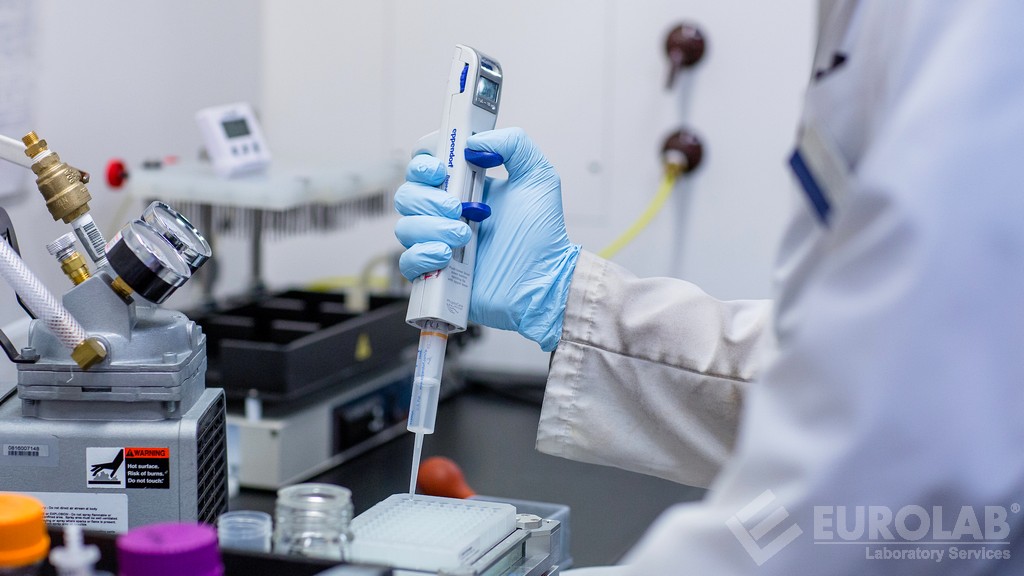
The process typically involves a series of detailed inspections and tests conducted by our certified professionals. Specimens are prepared according to specific protocols laid out in international standards such as ISO 17025 for accreditation and ASTM E934-18 for structural testing. The results from these evaluations provide critical data that helps engineers make informed decisions about necessary repairs or improvements.
In addition to routine inspections, Eurolab also offers specialized services tailored towards specific types of structures including bridges, skyscrapers, tunnels, and more. By leveraging our deep understanding of various construction materials and techniques, we can offer customized solutions designed specifically for your project’s unique needs.
- Structural integrity assessment
- Load-bearing capacity evaluation
- Vibration analysis
- Corrosion resistance testing
The importance of structural safety cannot be overstated, especially given today's increasingly complex architectural designs and harsher environmental conditions. With Eurolab’s Structural Safety Certification service, you can rest assured that your structures are not only safe but also compliant with all relevant codes and regulations.
Our commitment to excellence extends beyond just delivering accurate test results; it includes providing detailed reports that explain our findings in clear terms understandable by both technical experts and laypersons alike. These reports serve as valuable tools for decision-makers involved in planning, design, construction, and maintenance phases of any project.
Industry Applications
The application of structural safety certification is wide-ranging across multiple industries where the integrity and stability of buildings or structures play a critical role. In architecture and design, this service ensures that plans meet stringent requirements regarding load-bearing capabilities, wind resistance, seismic activity protection, etc.
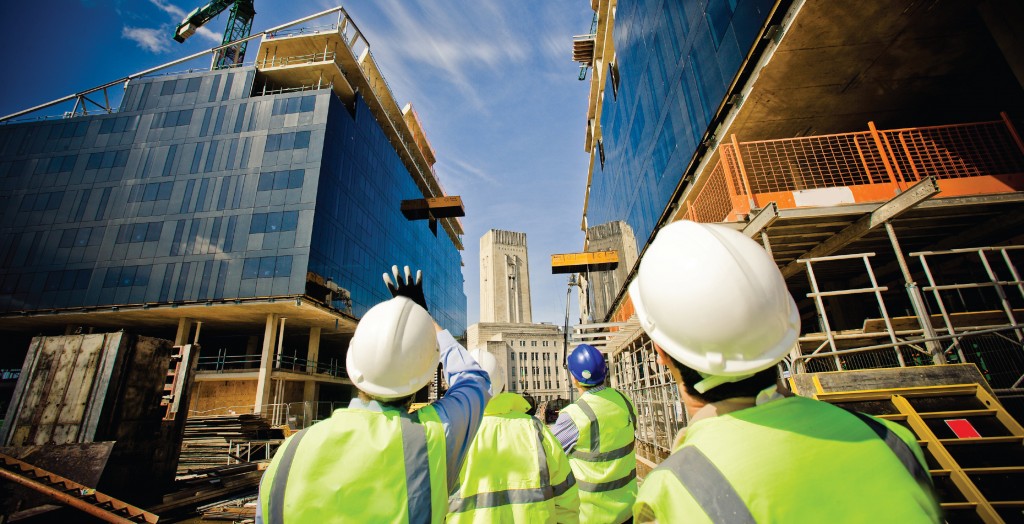
In construction projects, whether residential, commercial, or industrial, structural safety certification becomes an essential part of ensuring compliance with building codes and standards worldwide. It helps builders identify potential risks early in the project lifecycle so corrective actions can be taken before costly delays occur during later stages.
For infrastructure development, such as bridges and tunnels, regular inspections are vital to maintain public safety while minimizing disruptions caused by unexpected failures due to aging or weather-related issues. Structural engineers rely heavily on this service when designing new structures or rehabilitating existing ones.
The transportation sector also benefits significantly from structural safety certification services provided by Eurolab. Airports, train stations, and ports depend upon robust infrastructure for smooth operations, passenger comfort, and security – all of which hinge on reliable structural support systems that pass rigorous evaluations conducted according to international guidelines like EN 1990-1:2002.
Finally, oil & gas exploration requires stringent controls over the integrity of platforms used offshore. Eurolab's expertise in this area ensures that drilling rigs, pipelines, and other equipment are safe for both personnel and surrounding ecosystems.
Eurolab Advantages
Choosing Eurolab for your structural safety certification needs offers numerous advantages. Our team of highly qualified experts brings decades of experience in this field, ensuring that every aspect of the evaluation process is conducted with precision and accuracy.
We utilize cutting-edge technology and advanced analytical techniques to provide reliable data on which decisions can be made confidently. This includes not only visual inspections but also non-destructive testing methods like ultrasonic scanning or radiography when required.
Our commitment to quality doesn't stop at just performing tests; we go further by offering detailed reports that are easy to understand and act upon immediately. These documents serve as key references for stakeholders involved in various stages of the project lifecycle, from initial design phases through final completion.
In addition to our technical capabilities, Eurolab prides itself on providing personalized service tailored specifically towards each client's unique requirements. Whether you need routine inspections or specialized assessments related to specific structural elements, we have the expertise and resources available to meet those needs effectively.
Environmental and Sustainability Contributions
Structural safety certification plays a pivotal role in promoting sustainability by ensuring that structures are built responsibly and last longer, reducing the need for frequent replacements or renovations. By identifying potential weaknesses early on, this service helps minimize waste generation associated with construction activities.
- Emissions Reduction: Longer-lasting structures mean less demolition debris ending up in landfills.
- Resource Conservation: Properly designed and maintained buildings consume fewer resources over their lifetimes compared to those that require constant repairs or replacements.
- Biodiversity Preservation: Sustainable design practices incorporated into structural safety certification can contribute positively towards preserving local ecosystems.
The focus on green building principles within the scope of structural safety certification not only benefits the environment but also enhances human health by creating healthier indoor environments. As society continues to evolve, so too must our approach to construction – one that prioritizes longevity and environmental responsibility alongside traditional performance metrics.