Shelf-Life Simulation with Package Functional Testing
The shelf-life of a medical device is critical to its safety and efficacy. In many cases, the packaging plays a crucial role in maintaining product integrity over time. Shelf-life simulation with package functional testing ensures that the packaging maintains its barrier properties and protects the contents from environmental factors such as moisture, oxygen, light, and temperature fluctuations.
Shelf-life simulation involves recreating real-world conditions to predict how long a product will remain stable under normal use. This includes environmental stress testing, where physical and chemical changes are monitored over time. Package functional testing assesses the ability of packaging materials and designs to protect against contamination, maintain sterility, and preserve the integrity of the enclosed product.
For medical devices, this service is particularly important as it directly impacts patient safety. Packaging must be designed not only to protect the device during transport and storage but also to ensure that it remains effective until its expiration date. This testing ensures compliance with regulatory standards such as ISO 11607 for single-use medical devices.
The process begins with a detailed understanding of the intended use, storage conditions, and expected shelf-life requirements. Specimen preparation involves selecting appropriate samples from the device that are representative of the entire batch. These specimens are then subjected to various environmental stressors in controlled laboratory settings. The testing parameters include temperature, humidity, light exposure, and oxygen permeation rates.
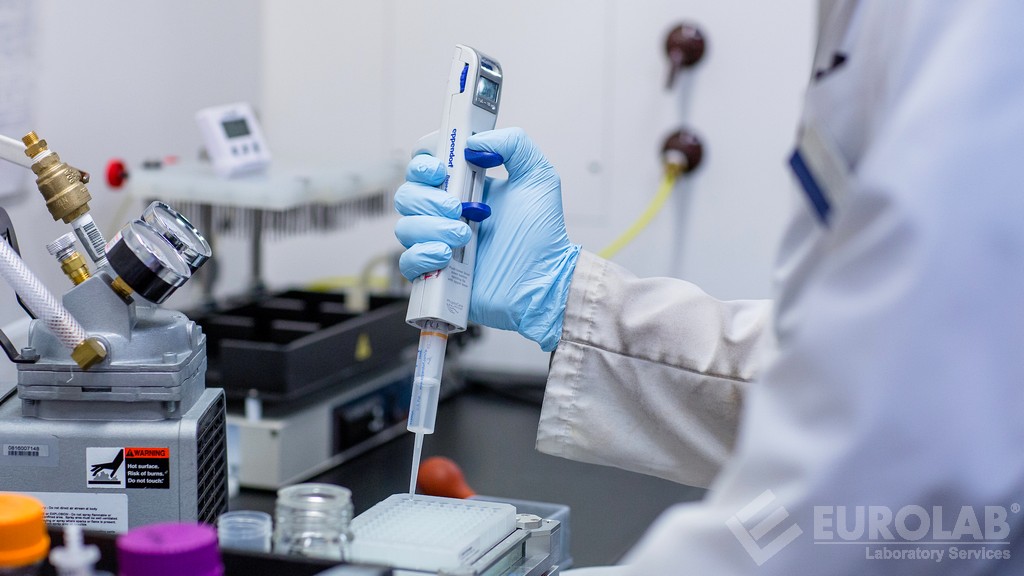
Instrumentation used for this service includes climate chambers capable of simulating a wide range of conditions. Oxygen transmission rate testers (OTRs) measure the amount of oxygen that penetrates through packaging materials over time. Humidity control units ensure consistent moisture levels throughout testing. Light exposure devices simulate sunlight or other light sources that could degrade the product.
Once the specimens have been exposed to these stressors, they are evaluated for changes in physical properties such as dimensional stability and mechanical strength. Chemical analysis may also be performed to detect any degradation of active ingredients or materials used in the device. Microbiological testing ensures that there has been no contamination during storage.
The results of this shelf-life simulation with package functional testing provide valuable insights into potential issues that could arise during extended storage periods. This information is crucial for ensuring product safety and quality throughout its lifecycle. Regulatory bodies around the world recognize the importance of these tests, including the FDA in the United States and the European Medicines Agency (EMA).
By conducting this comprehensive testing process, manufacturers can have confidence that their devices will maintain their integrity and effectiveness even after long periods in storage or transportation.
Benefits
The primary benefit of shelf-life simulation with package functional testing is the ability to predict how well packaging will protect a medical device over time. This knowledge allows manufacturers to make informed decisions about product design, material selection, and process optimization. It also helps in identifying any potential weaknesses early on in development.
Another significant advantage is improved compliance with regulatory requirements. Many countries have stringent rules regarding the stability of medical devices, particularly those intended for long-term use or high-risk procedures. By conducting thorough shelf-life testing, companies demonstrate their commitment to quality and safety standards.
This service also contributes to reduced costs associated with recalls or rejections due to packaging failures. Early detection of problems through these tests can prevent costly mistakes further down the line. Additionally, it enhances brand reputation by ensuring consistent product performance across different markets.
For research & development teams, this type of testing offers valuable data that can guide future innovations in both packaging technology and device design. It provides a clear picture of which factors most influence shelf-life stability, allowing for more targeted improvements. Furthermore, it supports continuous improvement efforts by identifying areas where current practices could be enhanced.
Lastly, it ensures that medical devices remain safe and effective throughout their intended use period, thereby improving patient outcomes and satisfaction.
International Acceptance and Recognition
The shelf-life simulation with package functional testing is widely accepted across various international standards bodies. For instance, ISO 11607 provides guidelines specifically for single-use medical devices, emphasizing the importance of proper packaging to maintain sterility until use.
In the United States, the Food and Drug Administration (FDA) expects manufacturers to demonstrate that their products will remain safe and effective throughout their shelf-life. This includes showing adequate protection against environmental factors like moisture, oxygen, light, and temperature changes.
The European Medicines Agency (EMA), responsible for regulating pharmaceuticals within Europe, also emphasizes the need for robust packaging integrity tests as part of overall quality assurance measures. Similarly, the World Health Organization (WHO) recommends such tests to ensure global consistency in medical device safety standards.
These regulatory bodies recognize that proper packaging plays a vital role in preserving product stability and preventing contamination. They encourage manufacturers to conduct thorough shelf-life studies early in the development process so they can address any issues before products reach clinical use or patient hands.
The acceptance of these tests extends beyond just regulatory compliance; it reflects an industry-wide commitment to quality and safety. Many leading medical device companies voluntarily undergo additional voluntary certifications above minimum requirements set by regulators, recognizing the value added by rigorous shelf-life simulation with package functional testing.
Use Cases and Application Examples
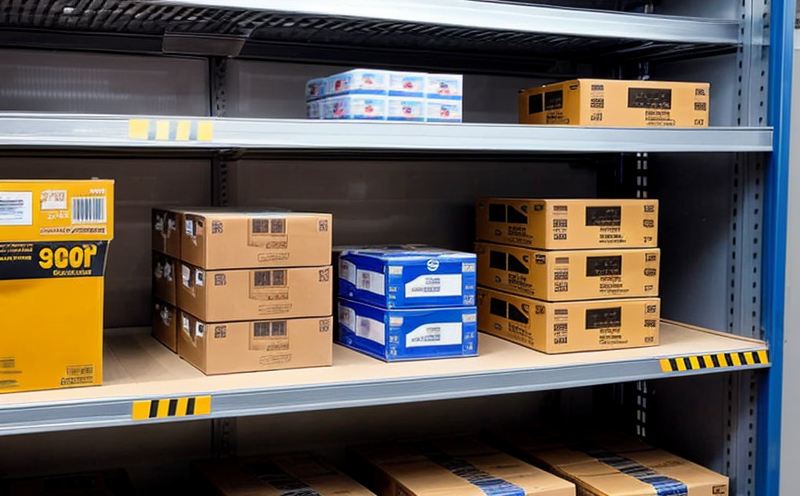
The application of shelf-life simulation with package functional testing is diverse and spans multiple scenarios within the medical device industry. One common use case involves evaluating packaging materials for new product launches. By simulating real-world conditions, manufacturers can assess whether selected packages meet necessary criteria before finalizing design decisions.
In another scenario, this service helps identify optimal storage solutions for specialized devices requiring particular temperature or humidity levels to maintain efficacy. For example, certain implants need specific environmental controls during transportation and long-term storage to preserve their biocompatibility properties.
For existing products facing expiration date extensions, shelf-life simulation offers critical data needed to support these requests. It ensures that any proposed changes do not compromise product integrity or safety, thus facilitating more accurate determination of revised expiration dates.
The testing process can also be applied during formulation development when exploring different packaging configurations aimed at enhancing protection against specific contaminants or extending shelf-life beyond standard expectations.
Another important application pertains to post-market surveillance activities conducted by regulatory agencies and manufacturers themselves. By continuously monitoring how products perform under actual usage conditions, they gain deeper insights into long-term performance trends which can inform future product improvements.