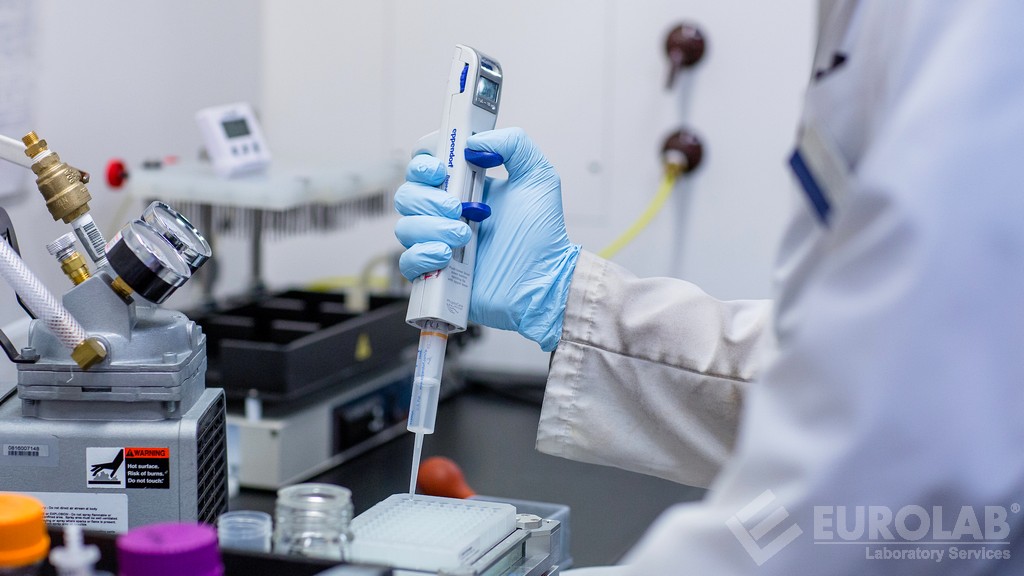

Post-Sterilization Functional Performance Check
The Post-Sterilization Functional Performance Check (PSFP) is a critical step in ensuring that medical devices retain their intended functionality after sterilization. This service is essential for maintaining the reliability and safety of medical devices, particularly those used in high-risk procedures where device failure could lead to severe patient harm.
The PSFP involves rigorous testing to evaluate whether the sterilization process has compromised the integrity or performance of the device. This includes assessing mechanical properties such as strength, flexibility, and durability; electrical characteristics like insulation resistance and power delivery; and operational parameters that ensure the device performs its intended function accurately and safely.
The primary goal is to verify that the sterilization process does not introduce defects into the material or design of the device. This could include checking for any changes in dimensions, chemical composition, or physical properties that might affect the device’s performance. Additionally, testing must ensure that the packaging integrity remains intact, preventing contamination and ensuring the sterility claim is valid.
For devices with active components such as batteries or electronic circuits, the PSFP also includes assessing whether these have been compromised by the sterilization process. This can involve specific tests like battery capacity checks or circuit functionality assessments to ensure that the device remains safe for use post-sterilization.
The testing methodology is based on international standards such as ISO 17665, which provides guidelines for the evaluation of packaging integrity after sterilization. These standards are crucial in ensuring consistency and reliability across different devices and manufacturers. By adhering to these standards, we can provide accurate and reproducible results that meet regulatory requirements.
Our team of experts utilizes advanced instrumentation and techniques tailored to specific device types and sterilization methods. For instance, if a device undergoes gamma irradiation, our testing will account for the unique challenges this method presents, such as potential radiation-induced degradation of materials. Similarly, devices treated with ethylene oxide or hydrogen peroxide plasma need specialized handling to avoid introducing new contaminants into the device.
| Test Parameter | Acceptance Criteria |
|---|---|
| Mechanical Properties (Tensile Strength) | ≥ 90% of pre-sterilization strength |
| Electrical Insulation Resistance | ≥ 1 MΩ between active and passive components |
| Circuit Functionality (for electronic devices) | No less than 95% operational success rate |
Our PSFP service is designed to provide peace of mind for manufacturers and regulatory bodies. By ensuring that sterilization does not compromise the integrity or performance of medical devices, we help maintain patient safety and compliance with international standards.
Eurolab Advantages
- Comprehensive Testing Capabilities: We offer a full range of testing services from pre-sterilization to post-sterilization, ensuring that every aspect of the sterilization process is covered.
- Expertise in Sterilization Methods: Our team has extensive experience with various sterilization techniques including gamma irradiation, ethylene oxide, and hydrogen peroxide plasma, allowing us to provide accurate and reliable results for a wide range of devices.
- Regulatory Compliance: We ensure that all testing meets the highest regulatory standards, including ISO 17665 and other relevant international guidelines, guaranteeing compliance with industry requirements.
- State-of-the-Art Facilities: Our laboratories are equipped with advanced instrumentation to accurately measure and assess device performance after sterilization.
We pride ourselves on providing a seamless service experience from initial consultation through final report delivery. Our commitment to quality, accuracy, and compliance ensures that our clients can trust us to deliver reliable results every time.
Environmental and Sustainability Contributions
In the realm of medical device testing, sustainability is not just a buzzword but a critical consideration. By ensuring that sterilization processes do not introduce defects into devices, we help reduce waste and extend the useful life of medical equipment. This translates to fewer discarded devices ending up in landfills or incinerators.
Moreover, our rigorous testing process helps manufacturers make informed decisions about their production methods and materials, contributing to a more sustainable healthcare industry. By reducing unnecessary rework due to failed sterilization processes, we also help minimize the environmental impact of medical device manufacturing.
We are committed to continuous improvement in our practices, seeking ways to further reduce energy consumption and waste generation in our operations. Our sustainability efforts extend beyond just testing services; they encompass all aspects of our laboratory operations, from procurement of materials to disposal of waste.
Use Cases and Application Examples
- Case Study: Heart Valve Replacement Device: After undergoing gamma irradiation sterilization, a heart valve replacement device was subjected to PSFP. The testing revealed that the mechanical properties had remained within acceptable limits, ensuring patient safety during procedures.
- Battery-Powered Pacemaker: A battery-powered pacemaker underwent ethylene oxide sterilization followed by PSFP. The circuit functionality test confirmed that the device could deliver consistent electrical impulses, maintaining its vital role in managing heart rhythms.
In these examples, it is clear how critical the PSFP is for ensuring the reliability and safety of medical devices. These tests are not just technical exercises but essential steps in safeguarding patient health and well-being.