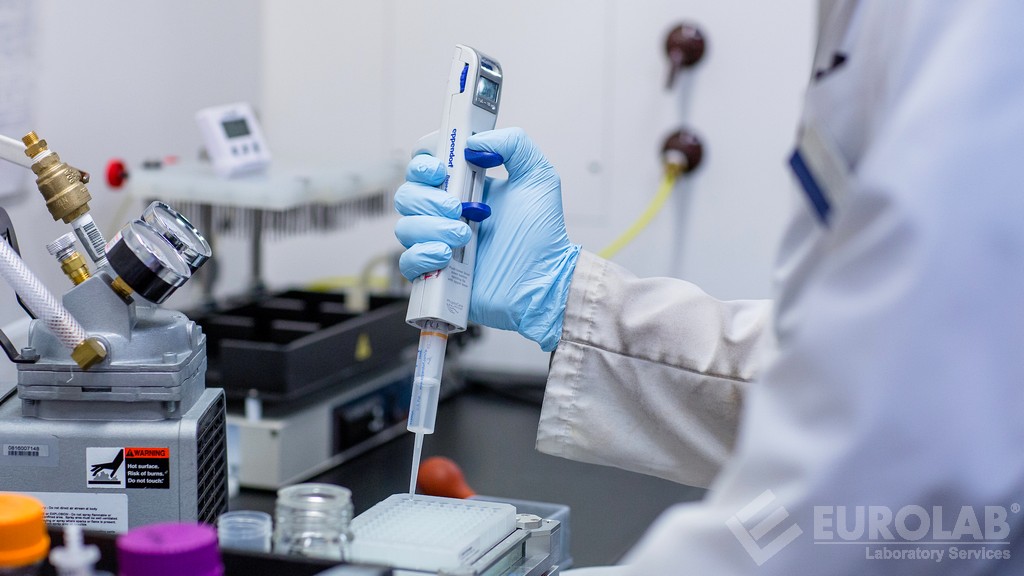

pH Stability Testing in Cosmetic Formulations
The pH stability testing of cosmetic formulations is a critical aspect of quality assurance and regulatory compliance. Understanding how formulation components interact under various environmental conditions ensures product safety, efficacy, and shelf life. This testing helps identify potential issues that could arise during storage or use, such as degradation of active ingredients or changes in sensory attributes.
The pH stability test evaluates the resistance of a cosmetic formula to changes in its acidity or alkalinity over time. This is important because cosmetics are often exposed to different environmental conditions, including temperature fluctuations and humidity. The test helps manufacturers understand how their products will perform under real-world use scenarios. For instance, leaving a product in a hot car during transport could lead to pH shifts that might affect the stability of the formulation.
Key factors influencing pH stability include the type of surfactants used, preservatives, and colorants present in the formula. Surfactants can act as buffers, while certain preservatives may have an impact on the overall balance of the mixture. Colorants, especially those derived from natural sources, are also susceptible to pH changes, which could lead to discoloration or loss of pigment integrity.
During the test, samples are exposed to controlled conditions designed to mimic actual storage and usage scenarios. These conditions typically include varying temperature ranges (e.g., 4°C, 25°C, 37°C) and humidity levels (e.g., 60% RH). The pH of each sample is measured at regular intervals using a calibrated pH meter or potentiometric titration system.
After obtaining the initial pH reading, samples are incubated according to predefined protocols. Common methodologies include accelerated aging tests where samples are exposed to higher temperatures and humidity than normal storage conditions for a shorter period, which simulates extended exposure over time. The results are then compared against baseline measurements taken immediately after formulation.
Understanding the pH stability of cosmetics is crucial not only from a technical perspective but also in terms of consumer safety and satisfaction. Products with poor pH stability may cause irritation or discomfort when used on skin or other surfaces, leading to potential health risks. Additionally, unstable formulas can lose their effectiveness prematurely, resulting in wasted resources for both manufacturers and consumers.
For regulatory compliance, especially within regions like the European Union (EU), rigorous testing standards must be adhered to. The EU's Cosmetics Regulation requires that all cosmetic products undergo stability testing as part of their overall safety assessment before being placed on the market. This regulation aims at ensuring high levels of safety and quality across the entire supply chain.
Given these requirements, it is essential for companies involved in cosmetics manufacturing to invest in reliable testing facilities equipped with state-of-the-art technology capable of accurately measuring pH changes over time. Such investments ensure adherence to international standards such as ISO 25098:2017 which specifies procedures and criteria for evaluating the stability of cosmetic products.
Applied Standards
| Standard | Description |
|---|---|
| ISO 25098:2017 | Evaluation of the stability of cosmetic products |
| ASTM F2386-14a | Determination of pH of cosmetic products |
| EN 857:2015 | Performance requirements for cosmetic formulations - General principles and methods |
Scope and Methodology
The pH stability test encompasses several key aspects that are essential for ensuring accurate results. Firstly, selecting appropriate conditions simulating real-world exposure is crucial. Secondly, preparing the samples correctly according to specified protocols ensures consistent data collection. Lastly, employing precise measurement techniques guarantees reliable outcomes.
When conducting the pH stability test, it's important to follow established guidelines provided by recognized organizations such as ISO or ASTM. These bodies provide clear instructions on sample preparation, incubation times, and measurement procedures. Adherence to these standards not only enhances reliability but also facilitates comparability between different laboratories involved in the testing process.
Sample preparation involves creating multiple batches of the same formulation under identical conditions except for one variable - pH level. Each batch is then subjected to controlled environmental stressors such as temperature and humidity variations. Throughout this process, frequent pH measurements are taken using reliable instruments like potentiometric titrators or pH meters equipped with appropriate electrodes.
Incubation periods vary depending on the specific product type and required shelf life expectations but generally range from several days up to a few weeks. During these incubation stages, careful observation of any observable changes in appearance (such as color shifts) is conducted alongside continuous pH monitoring.
Upon completion of the test cycle, detailed records are kept documenting all observations made during the experiment. These records serve not only as proof of compliance with regulatory requirements but also provide valuable insights into potential areas requiring improvement within future formulations.
Use Cases and Application Examples
| Use Case | Description |
|---|---|
| Development of New Formulations | Identifying optimal pH ranges for new ingredients or combinations before finalization. |
| Evaluation of Ingredient Stability | Determining whether specific components within a formula remain stable over extended periods. |
| Quality Control | Monitoring ongoing production processes to ensure consistent product quality. |
| Safety Assessment | Evaluating potential risks associated with shifts in pH levels that could harm consumers. |
| Regulatory Compliance | Ensuring adherence to international regulations governing cosmetic safety and efficacy. |
Cosmetics manufacturers can benefit significantly from this testing method. By identifying unstable components early in the development process, companies can make necessary adjustments without incurring significant costs later on. Additionally, regular pH stability tests during production help maintain consistent quality throughout manufacturing runs, reducing waste and improving overall efficiency.
For instance, a company developing a new moisturizer might run several batches of the product at different pH levels to determine which range provides the best texture and feel while maintaining effectiveness over time. Another scenario involves monitoring ongoing production lines to ensure that each batch meets stringent quality control standards set forth by regulatory bodies like the FDA or EU.
These tests also play a critical role in safety assessments, allowing manufacturers to identify any ingredients whose stability might pose risks when exposed to certain environmental conditions. By conducting thorough pH stability tests early on, companies can avoid costly recalls later down the line due to product failures.