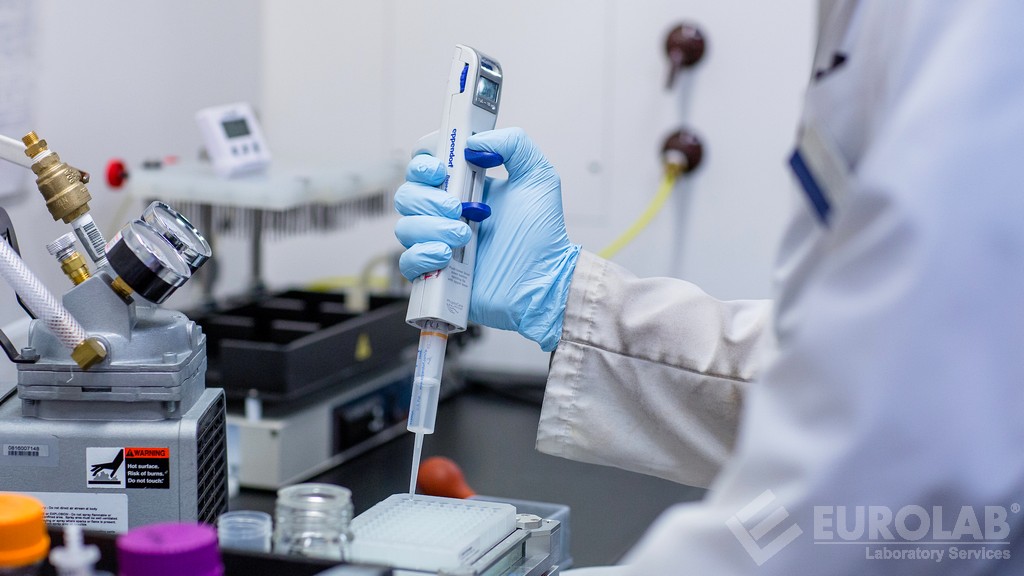

OECD 226 Chironomid Emergence Toxicity Test
The OECD Guideline 226, also known as the Chironomid Emergence Toxicity Test (CET), is a widely accepted and internationally recognized method for assessing the acute toxicity of chemical substances to aquatic insects. This test focuses on chironomid midges, which are small flies that play a crucial role in freshwater ecosystems by serving as bioindicators of water quality.
This testing procedure is essential for environmental risk assessment, particularly when evaluating the impacts of chemicals used in agriculture, industry, and other sectors. By assessing the toxicity to chironomids, this test provides insights into potential risks to aquatic biodiversity and human health through the food chain. The test follows a series of steps aimed at determining the lethal concentration that will cause 50% mortality (LC50) within a specified period.
The chironomid midge is chosen for its sensitivity to pollutants, its rapid life cycle, and its importance in aquatic ecosystems. This makes it an ideal organism for assessing environmental impacts. The test involves exposing chironomid larvae to the test substance under controlled conditions, followed by monitoring their emergence as adults. The mortality rate of these emergent adults is used to calculate the LC50.
The OECD 226 CET is compliant with ISO standards and is recognized globally for its reliability and validity in ecological risk assessment. It ensures that chemical substances are tested under conditions that reflect real-world scenarios, thereby providing a robust basis for regulatory decisions and informed environmental management practices.
For quality assurance, this test requires strict adherence to standardized procedures. The ISO 17025-accredited laboratory ensures that all tests are conducted in accordance with the specified guidelines. This includes precise control of water temperature, pH levels, and exposure duration. The use of standardized species (Chironomus riparius) further enhances the reliability and reproducibility of results.
The test protocol is meticulously designed to minimize variability and ensure accurate toxicity assessments. This involves careful specimen preparation, ensuring that larvae are free from contaminants and are in optimal condition for testing. The laboratory facilities are equipped with advanced instrumentation and software to facilitate precise monitoring and data analysis.
Understanding the broader implications of this test, it is crucial to recognize its role in environmental protection. By identifying potential risks early on, stakeholders can implement measures to mitigate adverse impacts. This not only protects aquatic ecosystems but also ensures compliance with international regulatory frameworks such as those set by OECD and other global bodies.
The results of the OECD 226 CET are highly valued by regulatory authorities and industry professionals alike. The test provides a standardized approach that enhances decision-making processes, ensuring that environmental policies are based on sound scientific evidence. This contributes to sustainable development practices and helps in safeguarding ecosystems for future generations.
- Specimens: Chironomus riparius larvae
- Test duration: Typically 7 days
- Temperature control: Set at 18°C ± 0.5°C
- Water quality: pH adjusted to 6.9–7.2
- Exposure: Continuous exposure during the test period
Benefits
The OECD 226 Chironomid Emergence Toxicity Test offers numerous benefits to various stakeholders, including quality managers, compliance officers, R&D engineers, and procurement professionals. For quality managers, this test ensures that chemical substances meet the highest environmental standards, thereby enhancing product safety and reliability.
Compliance officers can rely on this test to ensure regulatory adherence, which is critical for avoiding legal penalties and maintaining a positive corporate image. R&D engineers benefit from the insights gained into potential risks associated with new chemicals, allowing them to develop safer alternatives. Procurement professionals find value in selecting suppliers who adhere to stringent environmental testing protocols.
The test also supports sustainable development by providing data that informs policy-making processes. This helps in creating environmentally friendly products and practices that contribute to a healthier planet. By incorporating the results of this test into their decision-making, stakeholders can ensure that they are contributing positively to environmental conservation efforts.
Quality and Reliability Assurance
- The ISO 17025-accredited laboratory ensures strict adherence to OECD guidelines.
- All tests follow standardized procedures for specimen preparation and environmental control.
- Advanced instrumentation is used to monitor and analyze test parameters accurately.
- Data analysis is conducted using validated statistical methods to ensure precision.
Environmental and Sustainability Contributions
The OECD 226 Chironomid Emergence Toxicity Test plays a pivotal role in environmental protection by identifying potential risks early on. This allows for the implementation of mitigation measures, thereby safeguarding aquatic ecosystems from harmful chemical impacts.
By ensuring compliance with international standards and regulatory frameworks, this test supports sustainable development practices. It helps stakeholders make informed decisions that balance economic growth with environmental conservation. The insights gained from this test contribute to a healthier planet, enhancing biodiversity and supporting long-term ecological health.