NIOSH 7500 Crystalline Silica in Respirable Dust XRD Testing
The NIOSH Method 7500 is a critical standard for quantifying crystalline silica (SiO2) in respirable dust samples, particularly relevant to the mining sector. This method uses X-ray diffraction (XRD) technology to analyze the mineralogical composition of airborne dust particles. It plays an essential role in ensuring worker safety by accurately identifying and quantifying crystalline silica—a known human carcinogen.
The primary purpose of this testing is to prevent overexposure, which can lead to serious respiratory diseases such as silicosis. The test method focuses on respirable dust, meaning particles small enough to be inhaled deeply into the lungs. Crystalline silica exposure can occur during mining operations, construction, and other industries where rock or concrete is broken down.
The NIOSH 7500 method provides a reliable means of determining the percentage of crystalline silica present in respirable dust samples collected from mining environments. This information is vital for compliance with OSHA standards and for implementing effective control measures to protect workers. The testing process involves several key steps, including sample collection, preparation, analysis using XRD technology, and reporting results.
Sample Collection: Samples are typically collected using a personal air sampler worn by workers over an 8-hour shift or longer periods depending on the exposure level. The respirable dust is trapped on a filter, which is then sealed in a container for transport to the laboratory.
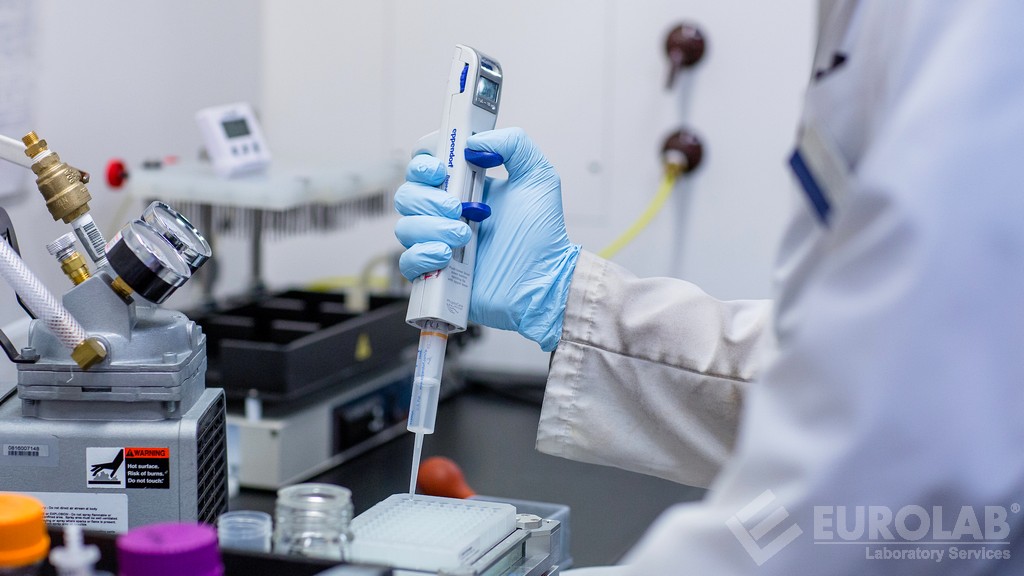
Preparation and Analysis: Upon arrival at the lab, the samples undergo thorough preparation. This includes drying the filter, grinding it into a fine powder, and dispersing it uniformly onto an XRD sample holder. The sample is then analyzed using X-ray diffraction, which identifies crystalline silica by its characteristic diffraction pattern. The intensity of this pattern is used to calculate the percentage of crystalline silica in the dust.
The NIOSH 7500 method is highly sensitive and precise, capable of detecting trace amounts of crystalline silica down to a few percent. This level of accuracy ensures that even small concentrations are not overlooked, making it an essential tool for mining companies looking to maintain compliance with safety regulations.
Reporting: Results from the NIOSH 7500 test are reported in percentage form, providing a clear indication of the crystalline silica content in the respirable dust sample. Compliance officers and quality managers can use these results to assess exposure levels and implement necessary control measures. Reporting also includes details on the sampling protocol, laboratory procedures, and any relevant standard references.
| Key Parameters | Description |
|---|---|
| Sample Collection Time | 8-hour shift or longer depending on exposure level |
| Sampling Device | Personal air sampler with respirable dust filter |
| Preparation Method | Drying, grinding, and dispersion onto XRD sample holder |
| Analytical Technique | X-ray diffraction for identification and quantification of crystalline silica |
| Reporting Format | Percentage content of crystalline silica in respirable dust |
The NIOSH 7500 test is a cornerstone of occupational health and safety in the mining industry. It ensures that companies are adhering to strict standards set by OSHA, which mandates that workers' exposure to crystalline silica be kept as low as possible. By using this method, mining companies can protect their workforce from serious respiratory diseases while also maintaining regulatory compliance.
Applied Standards
The NIOSH Method 7500 is recognized and widely used by industries that handle respirable dust, including mining. This method aligns with international standards such as ISO 14869-3:2018 for occupational exposure to crystalline silica, which provides guidelines on sampling and analysis techniques.
Compliance with these standards ensures that testing methods are consistent across different industries and regions, promoting a uniform approach to worker protection. The use of NIOSH 7500 also supports the implementation of effective control measures such as dust suppression technologies, engineering controls, and personal protective equipment (PPE). These measures help reduce exposure levels and maintain safe working environments for all personnel.
Scope and Methodology
| Test Scope | Description |
|---|---|
| Target Substance | Crystalline silica (SiO2) in respirable dust |
| Sample Type | Respirable dust collected from mining operations |
| Testing Method | X-ray diffraction for identification and quantification |
| Sampling Protocol | Personal air sampling over 8-hour shifts or longer periods |
| Data Reporting | Percentage content of crystalline silica in respirable dust |
The NIOSH Method 7500 focuses on quantifying crystalline silica, a form of silica that is particularly hazardous when inhaled. The method uses X-ray diffraction to analyze the mineralogical composition of respirable dust samples collected from mining environments. This approach ensures accurate and reliable results, which are essential for compliance with OSHA standards.
The testing process involves several key steps: sample collection using a personal air sampler, preparation of the sample by drying, grinding, and dispersion onto an XRD sample holder, and finally, analysis using X-ray diffraction. The intensity of the characteristic diffraction pattern is used to calculate the percentage of crystalline silica in the respirable dust.
The method's high sensitivity allows it to detect even trace amounts of crystalline silica, making it a valuable tool for ensuring worker safety. By providing precise and accurate results, NIOSH 7500 helps mining companies maintain compliance with regulatory standards while implementing effective control measures to protect their workforce.
Use Cases and Application Examples
- Mining Operations: Monitoring dust levels in underground mines to ensure compliance with OSHA standards.
- Construction Sites: Evaluating the safety of workers handling concrete or rock materials that may contain crystalline silica.
- R&D Labs: Studying the effects of different dust suppression methods on reducing crystalline silica exposure.
| Use Case | Description |
|---|---|
| Mining Operations | Dust monitoring to ensure worker safety and compliance with OSHA standards. |
| Construction Sites | Evaluating the safety of workers handling concrete or rock materials that may contain crystalline silica. |
| R&D Labs | Studying the effects of different dust suppression methods on reducing crystalline silica exposure. |
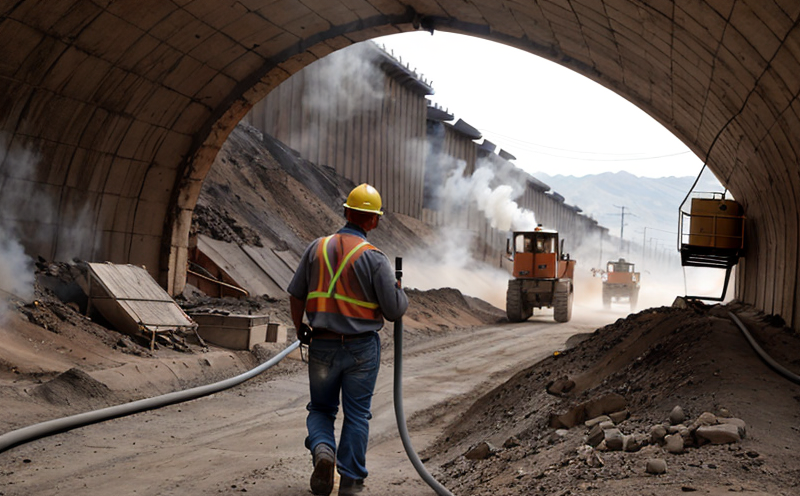
The NIOSH 7500 method is widely used in mining operations to monitor respirable dust levels and ensure worker safety. Dust monitoring is critical for compliance with OSHA standards, which mandate that workers' exposure to crystalline silica be kept as low as possible. By using this method, companies can identify areas where dust suppression measures are needed and implement effective control strategies.
In construction sites, the NIOSH 7500 method helps evaluate the safety of workers handling concrete or rock materials that may contain crystalline silica. This information is essential for implementing appropriate protective measures to reduce exposure levels.
Research and development laboratories also use the NIOSH 7500 method to study the effects of different dust suppression methods on reducing crystalline silica exposure. This research helps improve dust control technologies and enhance worker safety.