Lloyd’s Register Ballast Water Treatment System Testing
Ballast water treatment systems (BWTS) are critical components in maritime transportation. They prevent the introduction and spread of harmful aquatic organisms and pathogens from one body of water to another, which is governed by international regulations such as the International Convention for the Control and Management of Ships’ Ballast Water and Sediments (BWM Convention).
Lloyd’s Register, an internationally recognized classification society, plays a crucial role in ensuring that these systems meet stringent performance standards. The Lloyd’s Register Ballast Water Treatment System Testing is designed to verify compliance with the BWM Convention requirements. This service ensures that the treated ballast water meets the designated standard for viable organisms.
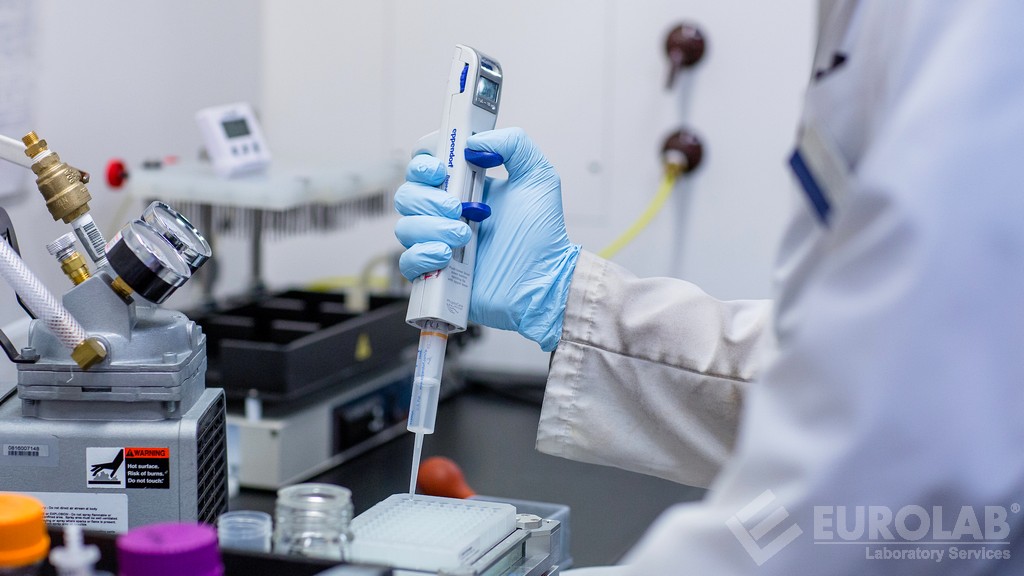
The testing process involves subjecting the BWTS to rigorous trials under controlled conditions, simulating real-world scenarios and environmental factors encountered during maritime operations. Compliance testing is a multi-step process that includes:
- Preparation of the system for testing
- Initial sampling before treatment begins
- Treatment according to predefined protocols
- Post-treatment analysis and quantification of viable organisms in the treated water
The test results are compared against the stringent limits set by the BWM Convention. If the system fails to meet these criteria, it may undergo additional testing or modifications before being certified as compliant.
The Lloyd’s Register Ballast Water Treatment System Testing is an essential service for ship operators and manufacturers alike. It ensures that systems installed on ships are effective in reducing the risk of invasive species introductions while adhering to global maritime regulations. This service not only helps prevent environmental damage but also supports sustainable shipping practices.
Quality managers, compliance officers, R&D engineers, and procurement teams rely on this testing to ensure that their vessels comply with international standards and can operate in compliance with regulatory requirements across different jurisdictions.
Applied Standards
The Lloyd’s Register Ballast Water Treatment System Testing is guided by several internationally recognized standards:
- BWM Convention: The International Convention for the Control and Management of Ships’ Ballast Water and Sediments, which sets limits on the number of viable organisms in treated ballast water.
- BWMS Type Approval Guidelines (LR/GL 218): Lloyd’s Register guidelines that provide detailed procedures for testing and certifying BWTS.
The testing process closely follows these standards, ensuring consistent and reliable results. Compliance with BWM Convention requirements is essential not only for legal compliance but also to protect the marine environment from invasive species.
International Acceptance and Recognition
Lloyd’s Register Ballast Water Treatment System Testing enjoys widespread international recognition due to its rigorous standards and impartiality. Many countries have adopted Lloyd’s Register as their preferred certification body for BWTS, ensuring that the testing meets global maritime industry expectations.
The acceptance of this service extends beyond individual nations; it is recognized by various regulatory bodies worldwide, including:
- United States Coast Guard (USCG)
- Australian Maritime Safety Authority (AMSA)
- European Union’s Classification Societies
- International Maritime Organization (IMO)
This global acceptance underscores the importance and reliability of Lloyd’s Register testing in the maritime industry. Ship operators can be assured that their BWTS will meet stringent international standards, thereby facilitating smoother compliance with various regulatory bodies.
Use Cases and Application Examples
| Case Study | Description | Outcome |
|---|---|---|
| Example 1: Ocean Cargo Vessel | A cargo vessel operating in international waters was required to comply with BWM Convention regulations. Lloyd’s Register conducted a series of tests on the installed BWTS, verifying its effectiveness in treating ballast water. | The system passed all tests and received certification from Lloyd’s Register, allowing the vessel to continue operations without interruption. |
| Example 2: Passenger Cruise Ship | A passenger cruise ship sought compliance testing for its BWTS before entering European waters. The Lloyd’s Register team conducted extensive testing in line with BWM Convention requirements. | The system was found to meet all standards, and the ship received certification from Lloyd’s Register, enabling it to sail under the EU flag without additional delays. |
| Example 3: Research Vessel | A research vessel conducting oceanographic studies needed to ensure compliance with BWM Convention requirements. Lloyd’s Register provided testing services to verify the effectiveness of its BWTS. | The system passed all tests, and the vessel was certified by Lloyd’s Register for continued use in international waters. |
| Example 4: Cargo Ship Transiting the Suez Canal | A cargo ship transiting the Suez Canal required certification from a recognized body to comply with local regulations. Lloyd’s Register conducted comprehensive testing on its BWTS. | The system passed all tests, and the vessel received certification from Lloyd’s Register, ensuring smooth passage through the canal. |
| Example 5: Offshore Supply Vessel | An offshore supply vessel operating in various international waters underwent testing for its BWTS. Lloyd’s Register conducted thorough testing to ensure compliance with BWM Convention requirements. | The system passed all tests, and the vessel received certification from Lloyd’s Register, allowing it to operate without hindrance across different jurisdictions. |
These case studies illustrate the wide applicability of Lloyd’s Register Ballast Water Treatment System Testing. The testing ensures that ships can operate in compliance with international standards while protecting marine ecosystems from invasive species.