
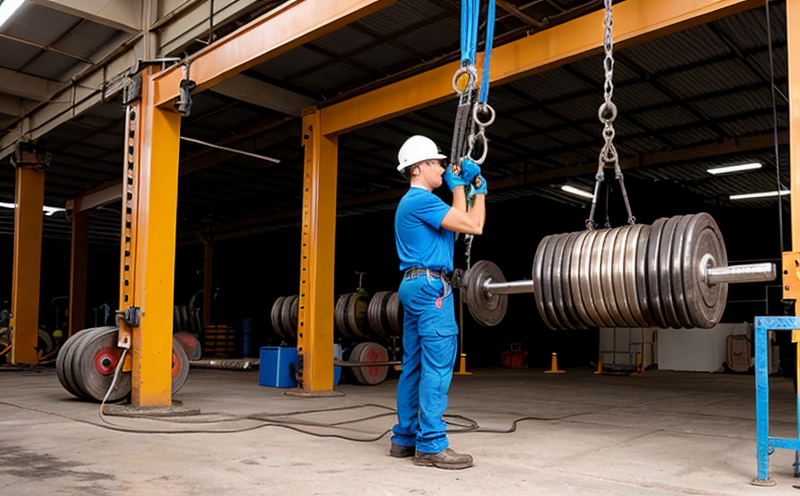
Lifting gear inspection
In the realm of lifting equipment and crane inspection, ensuring the integrity and safety of lifting gears is paramount. Lifting gears are essential components in various sectors including construction, manufacturing, logistics, and warehousing. These gears include slings, chains, hooks, and wire ropes, among others, each designed to handle specific loads under varying environmental conditions.
The primary focus here is on the inspection of lifting gears, ensuring they meet quality standards and can withstand operational demands without compromising safety or performance. This service involves a comprehensive examination conducted in accordance with relevant international standards such as ISO 9073-1 for slings, EN 14996 for wire ropes, and ASME PTP-1 for lifting accessories.
The inspection process begins with a visual assessment of the gear, examining any visible signs of wear, corrosion, or damage. This is followed by non-destructive testing (NDT) methods such as magnetic particle testing, ultrasonic testing, and eddy current testing to detect internal defects that may not be apparent on the surface.
Once the inspection is complete, a detailed report is generated, outlining any issues identified during the process. The report includes recommendations for corrective actions or replacements where necessary. This ensures that lifting gears continue to perform safely and effectively within their intended applications.
The importance of regular inspections cannot be overstated. By adhering to these protocols, businesses can prevent accidents, reduce maintenance costs, extend equipment life, and ensure compliance with regulatory requirements. The use of advanced inspection techniques not only enhances safety but also improves operational efficiency.
Applied Standards
The lifting gear inspection service is guided by several international standards that ensure the highest level of quality and reliability. These include:
- ISO 9073-1:2010 - This standard specifies requirements for slings used in lifting operations, covering design, construction, testing, marking, and inspection.
- EN 14996:2015 - This European Standard provides specifications for wire ropes designed to be used in lifting applications. It includes aspects such as composition, dimensions, strength requirements, and inspection criteria.
- ASME PTP-1 - American Society of Mechanical Engineers’ standard for the design, fabrication, and testing of lifting accessories, including hooks and shackles.
These standards are crucial in ensuring that all gears meet the required specifications and can be relied upon in critical operations. Compliance with these standards is not only a legal requirement but also essential for maintaining safety and operational excellence.
Benefits
The benefits of regular lifting gear inspections extend beyond mere compliance; they provide tangible advantages that contribute to overall business efficiency and safety:
- Enhanced Safety: Regular inspections identify potential hazards before they escalate into serious incidents, ensuring a safer working environment.
- Extended Equipment Life: By catching early signs of wear or damage, repairs can be planned rather than emergency replacements, extending the useful life of lifting gears.
- Cost Savings: Preventive maintenance reduces downtime and associated costs, improving operational efficiency and profitability.
- Regulatory Compliance: Adherence to standards ensures compliance with local and international regulations, avoiding potential fines and legal issues.
- Informed Decision Making: Detailed inspection reports provide valuable insights into the condition of lifting gears, aiding in informed decision-making regarding equipment replacements or upgrades.
These benefits underscore the importance of incorporating regular inspections into routine maintenance practices, ensuring not only safety but also operational excellence and cost-effectiveness.
Use Cases and Application Examples
Lifting gear inspections are applicable across various industries where heavy lifting is a critical component. Here are some specific use cases:
- Construction Sites: On construction sites, lifting gears are used for moving materials like steel beams, concrete blocks, and machinery. Regular inspection ensures that these gears can handle the high-stress conditions of construction projects.
- Factories and Warehouses: In manufacturing and warehousing environments, lifting gears are crucial for material handling. Regular inspections help maintain the integrity of these gears during heavy-duty operations.
- Logistics and Shipping: For logistics and shipping companies, ensuring that lifting gears meet safety standards is essential to prevent accidents during cargo loading and unloading processes.
- Oil and Gas Industries: In oil rigs and gas platforms, lifting gears are used for transporting heavy equipment. Regular inspections in these harsh environments ensure reliable operations.
In each of these sectors, the use of advanced inspection techniques not only enhances safety but also contributes to operational efficiency. By adhering to international standards, businesses can ensure that their lifting gears remain safe and effective under diverse conditions.