Laboratory evaluation of thermal protection in firefighter hoods
The laboratory evaluation of thermal protection in firefighter hoods is a critical service that ensures the safety and performance of these essential protective gear. Firefighters are exposed to extreme heat, flames, and other hazardous conditions during their duties, making it imperative that their protective equipment meets stringent standards for thermal insulation.
Thermal testing evaluates how effectively a firefighter hood prevents heat transfer from its environment to the wearer’s head. This evaluation is crucial because even small breaches in insulation can lead to significant burns or injuries. The performance of these hoods is governed by international standards such as ASTM F1976, which provides guidance on how to conduct thermal resistance tests and assess the protective capabilities of firefighter protective ensembles (PPE).
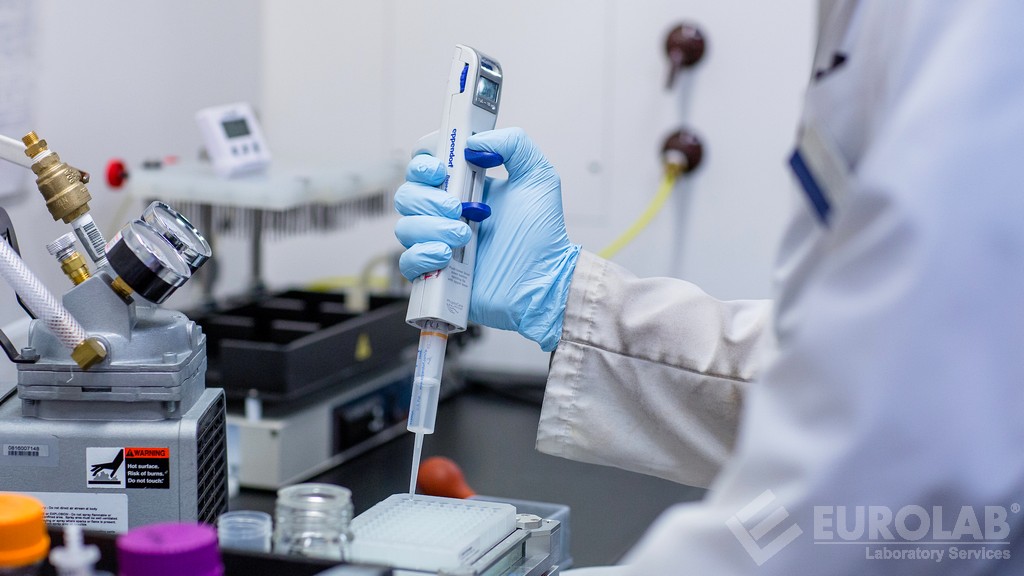
Testing typically involves exposing a hood sample to controlled heat sources while measuring various parameters like temperature rise or heat flux. The goal is to ensure that the hood maintains its integrity under extreme conditions, thereby safeguarding the wearer from potential burns.
The testing process begins with careful preparation of the specimen. This includes cleaning and conditioning the hood according to specified protocols to simulate real-world use conditions accurately. Once prepared, the hood undergoes a series of rigorous tests designed to mimic actual field conditions as closely as possible.
Instrumentation plays a vital role in this evaluation. High-precision thermocouples or infrared sensors are used to measure temperature changes across different parts of the hood during exposure to heat sources. Data collected from these instruments is then analyzed to determine the thermal resistance value (R-value) and overall effectiveness of the hood.
After completing all tests, comprehensive reports are generated detailing each aspect of the evaluation process and results obtained. These reports serve as valuable resources for quality managers, compliance officers, R&D engineers, and procurement teams involved in maintaining high standards within their organizations.
In addition to meeting regulatory requirements, these evaluations also help identify areas where improvements can be made to enhance the thermal protection provided by firefighter hoods. By continuously refining test methods and criteria based on new findings and technological advancements, laboratories like ours contribute significantly towards improving occupational safety standards worldwide.
Scope and Methodology
The scope of our laboratory evaluation encompasses the entire process from sample preparation through final analysis. We adhere strictly to established protocols outlined in relevant international standards such as ASTM F1976, ensuring consistency and reliability throughout every step.
For specimen preparation, we follow precise guidelines regarding cleaning procedures, conditioning times, and storage conditions to ensure that all samples are representative of actual use environments. Once prepared, the hoods undergo a series of tests using controlled heat sources designed to simulate various real-world scenarios faced by firefighters.
Data collection involves deploying advanced instrumentation capable of accurately measuring temperature changes within specified tolerances. Our state-of-the-art equipment allows us to capture detailed insights into thermal resistance characteristics of each hood tested. After gathering all necessary data points, rigorous statistical analysis techniques are applied to derive meaningful conclusions about the performance of each sample.
Based on these analyses, we produce thorough reports summarizing our findings and recommendations for improvement where applicable. These documents provide valuable information not only for regulatory compliance purposes but also assist organizations in making informed decisions regarding product development or procurement strategies.
Quality and Reliability Assurance
We maintain strict quality control measures throughout our evaluation process to ensure consistent accuracy and reliability. Each step of the procedure, from sample preparation to final analysis, is meticulously documented and reviewed by experienced professionals within our team.
Our commitment to excellence extends beyond mere compliance with specified standards; we strive for continuous improvement through ongoing research and development efforts aimed at enhancing testing methodologies continually. By staying abreast of emerging trends in both technology and regulatory requirements, we remain committed to providing cutting-edge solutions that meet evolving needs while maintaining the highest level of integrity.
To further enhance confidence in our services, we participate actively in external proficiency programs organized by reputable organizations such as ASTM International or ISO. These initiatives allow us to benchmark our performance against other leading laboratories globally, ensuring that our evaluations are consistently accurate and reliable.
International Acceptance and Recognition
The importance of international acceptance cannot be overstated when it comes to laboratory evaluation services for firefighter hoods. Our evaluations are recognized and accepted by numerous countries around the world due to our adherence to internationally recognized standards.
ASTM F1976, one of the most widely used guidelines in this field, sets comprehensive criteria that govern how thermal resistance tests should be conducted. By following these stringent protocols, we ensure that our evaluations meet global expectations and are readily accepted by various regulatory bodies across different regions.
Our laboratory has earned a reputation for delivering accurate and reliable results through rigorous adherence to established guidelines. This recognition comes not only from national authorities but also international organizations like ISO who have certified us as meeting their stringent quality assurance requirements.
The global acceptance of our evaluations underscores the trust placed in our expertise by stakeholders worldwide. It reflects our commitment to providing high-quality services that contribute towards enhancing occupational safety standards globally.