
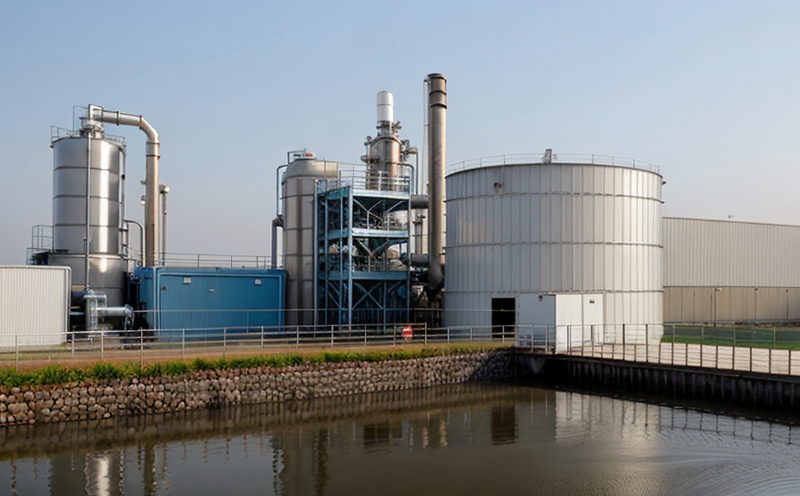
ISO 7888 Conductivity Testing of Industrial Wastewater
The ISO 7888 standard provides a comprehensive framework for measuring conductivity in industrial wastewater, ensuring compliance with environmental regulations and safeguarding water quality. This testing is crucial for identifying potential pollutants that could harm aquatic ecosystems or cause operational issues within the facility.
Conductivity testing helps in assessing the total dissolved solids (TDS) content of wastewater, which can indicate the presence of various substances such as salts, metals, and other ions. Understanding these parameters is essential for industries involved in manufacturing processes where water quality directly impacts product quality and environmental impact.
During ISO 7888 testing, samples are collected from different points within the wastewater system to ensure a representative sample. The collected water must be free of air bubbles, particulates, or other interfering substances that could skew results. Proper sample preparation is critical as it ensures accurate measurement and reliable data.
The testing process involves using a conductivity meter calibrated according to ISO guidelines. Calibration ensures accuracy by aligning the instrument's readings with known standards. The frequency of calibration depends on the specific requirements set by the laboratory but typically occurs every week or bi-weekly, depending on usage.
Once calibrated, the conductivity meter is used to measure the water sample. The measurement process involves placing the probe into the sample and recording the reading. It's important to note that certain factors can influence the accuracy of these measurements, including temperature variations, pH levels, and the presence of interfering substances.
After obtaining the initial conductivity reading, it is compared against established benchmarks provided by ISO 7888 standards. These benchmarks help determine whether the wastewater meets the specified quality criteria necessary for discharge into public waterways or reuse within the facility.
The data obtained from these tests plays a vital role in several aspects of industrial operations. Quality managers rely on this information to maintain consistent product quality, while compliance officers ensure regulatory adherence. R&D engineers use it to optimize processes and develop new technologies aimed at reducing environmental impact. Procurement teams incorporate such insights when selecting suppliers or negotiating contracts.
By adhering strictly to ISO 7888 standards during conductivity testing, facilities can demonstrate their commitment to sustainability practices and protect both natural resources and corporate reputation. Regular monitoring allows for proactive management of wastewater treatment processes, ensuring long-term viability and compliance with international norms.
Industry Applications
The ISO 7888 standard is particularly relevant in sectors where water plays a critical role in production or cleaning processes. Industries such as pharmaceuticals, electronics manufacturing, food processing, and semiconductor fabrication often face stringent requirements regarding the quality of their wastewater.
In these environments, improper conductivity levels can lead to product contamination, equipment degradation, or even operational shutdowns due to regulatory breaches. By leveraging ISO 7888-compliant testing methods, companies in these industries can mitigate risks associated with poor water quality while enhancing overall efficiency and productivity.
For pharmaceutical manufacturers, for instance, maintaining precise conductivity levels is essential for ensuring consistent drug formulation and purity. Any deviation could compromise the integrity of clinical trials or product launches. Similarly, semiconductor fabricators must ensure their wastewater does not contain trace amounts of metals that could interfere with delicate manufacturing processes.
The electronics industry also benefits significantly from rigorous conductivity testing protocols. Improperly treated water can cause short circuits in sensitive components during assembly, leading to costly repairs and delays. By implementing ISO 7888 standards across their facilities, these companies strengthen quality control measures and improve customer satisfaction.
Food processing plants similarly rely on accurate wastewater analysis to prevent contamination of end products. Even minor traces of contaminants can lead to recalls or lawsuits, severely impacting brand reputation. Through adherence to ISO 7888 guidelines, food processors enhance their ability to produce safe, high-quality goods that meet consumer expectations.
Overall, adopting ISO 7888 conductivity testing ensures consistent quality across various industrial applications, promoting safer environments and more efficient operations within diverse sectors.
International Acceptance and Recognition
The International Organization for Standardization (ISO) sets global standards that are widely accepted by governments, industries, and organizations worldwide. The ISO 7888 standard specifically addresses the measurement of conductivity in aqueous solutions, including industrial wastewater.
Adherence to this standard is crucial because it ensures uniformity and comparability across different regions and facilities. Companies operating internationally can rely on consistent methods regardless of location, facilitating smoother cross-border operations and trade agreements.
Many countries have adopted ISO 7888 as part of their national standards or regulations. For example, the European Union mandates compliance with certain ISO standards to ensure product safety and environmental protection. Similarly, North American jurisdictions often reference ISO guidelines when setting local standards for industrial processes.
In addition to regulatory requirements, many organizations voluntarily adopt ISO 7888 due to its reputation for reliability and accuracy. This standardization not only enhances credibility but also fosters trust among stakeholders such as customers, investors, and regulatory bodies.
The widespread acceptance of ISO 7888 extends beyond mere compliance; it represents a commitment to excellence in environmental stewardship and operational efficiency. By embracing these standards, facilities demonstrate their dedication to sustainable practices and continuous improvement.
Organizations that implement ISO 7888 conductivity testing are recognized for their leadership in quality management systems (QMS) and environmental management systems (EMS). Such recognition can translate into improved market positioning, enhanced reputation, and increased competitiveness in global markets.
Competitive Advantage and Market Impact
Incorporating ISO 7888 conductivity testing into a facility's routine operations offers numerous strategic advantages. One key benefit is the ability to detect issues early, allowing for timely interventions that prevent costly disruptions.
For example, by regularly monitoring conductivity levels using this standardized method, companies can identify potential equipment malfunctions or operational inefficiencies before they escalate into major problems. This proactive approach enhances reliability and reduces downtime associated with unscheduled maintenance activities.
Furthermore, consistent adherence to ISO 7888 ensures that wastewater meets stringent discharge limits set by environmental protection agencies (EPA) in the United States and similar bodies globally. Meeting these standards not only avoids fines but also preserves a company's reputation for responsible corporate citizenship.
The use of this internationally recognized standard also opens doors to new business opportunities. Many industries prefer doing business with partners who demonstrate adherence to global best practices. By incorporating ISO 7888 into their quality management systems, companies increase their attractiveness to potential clients and investors.
From a long-term perspective, investing in ISO 7888 conductivity testing supports sustainable development goals (SDGs) by promoting resource efficiency and reducing environmental footprints. These efforts contribute positively to the broader community and support initiatives aimed at creating greener economies.
In conclusion, integrating ISO 7888 into industrial wastewater management strategies provides a competitive edge that extends beyond immediate savings or compliance requirements. It fosters innovation, enhances reputation, and contributes to lasting success in an increasingly interconnected world.