ISO 22744 Detection of dimethyl fumarate and restricted chemical residues
The ISO 22744 standard provides a comprehensive framework for detecting dimethyl fumarate (DMF) and restricted chemical residues in textiles. This method is particularly important in the textile sector, where the presence of these substances can impact human health and environmental safety. Dimethyl fumarate, a synthetic compound used as an intermediate in the production of pharmaceuticals and cosmetics, can migrate from products into consumer environments.
The standard focuses on ensuring that textiles do not contain excessive levels of restricted chemical residues, including heavy metals and azo dyes. These restrictions are necessary to protect consumers from potential health risks associated with prolonged exposure to harmful chemicals. Compliance with ISO 22744 is crucial for quality managers, compliance officers, R&D engineers, and procurement teams who aim to maintain high standards in their supply chains.
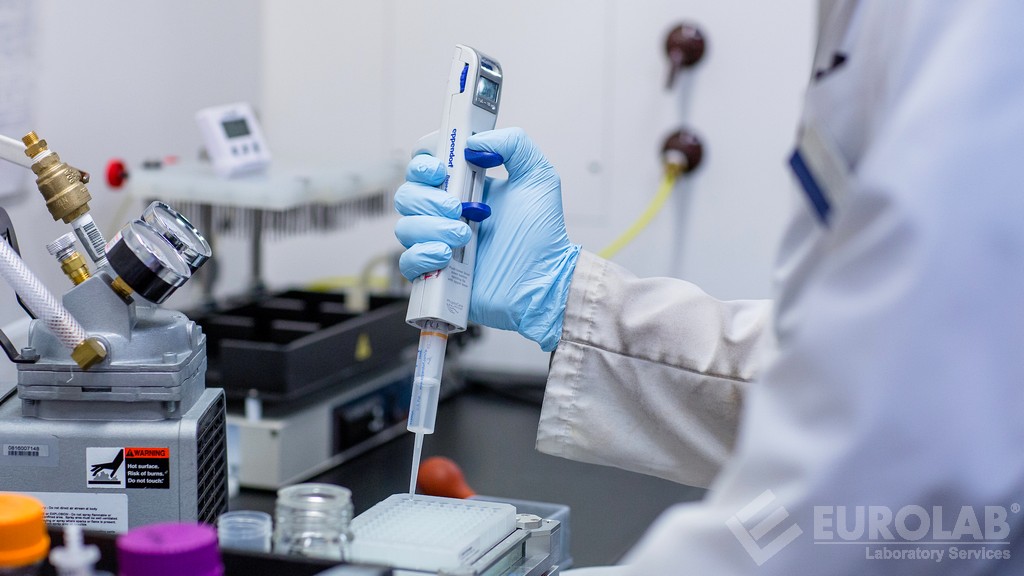
Our laboratory employs advanced analytical techniques such as Inductively Coupled Plasma Mass Spectrometry (ICP-MS) for heavy metals analysis and High Performance Liquid Chromatography with Ultraviolet–Visible detector (HPLC UV) for azo dyes detection. These methods are selected based on their sensitivity, accuracy, and specificity in identifying trace amounts of target compounds.
The testing process involves several critical steps: sample preparation, extraction, and subsequent analysis using the specified instrumentation. Sample preparation includes washing textiles to remove any surface contaminants, which may interfere with accurate measurement. Extraction techniques vary depending on the type of textile and the chemical residues being tested for, but typically involve solvent-based methods followed by purification.
Once extracted, samples undergo rigorous analyses according to ISO 22744 guidelines. Results are reported quantitatively in parts per million (ppm) or other appropriate units, providing clear insights into whether textile products comply with international safety standards. Compliance ensures that manufacturers meet regulatory requirements while also safeguarding end-users' well-being.
Our expertise lies not only in executing these tests accurately but also in interpreting results effectively to guide product development and improvement efforts. By leveraging cutting-edge technology and adhering strictly to ISO 22744 specifications, we offer reliable data that fosters trust between stakeholders throughout the supply chain.
Benefits
Adhering to ISO 22744 brings numerous benefits across various aspects of business operations:
- Enhanced Product Safety: Ensures that textiles do not contain harmful substances, thereby protecting consumers from potential health risks.
- Compliance with Regulations: Helps businesses stay compliant with international standards and regulations related to chemical restrictions in textile products.
- Improved Reputation: Builds a strong brand image by demonstrating commitment to quality and safety, which can enhance customer trust and loyalty.
- Cost Savings: Early detection of non-compliant products allows for corrective actions before large-scale production or distribution, reducing costs associated with recalls or legal issues.
- Increased Market Access: Facilitates entry into international markets where stringent quality and safety standards are enforced.
- Innovation Opportunities: Encourages research and development in safer alternatives, promoting innovation within the industry.
In summary, compliance with ISO 22744 not only protects end-users but also strengthens business operations by fostering trust, enhancing reputation, and opening doors to new markets.
Eurolab Advantages
At Eurolab, we pride ourselves on offering unmatched expertise in textile testing services. Our team of certified professionals utilizes state-of-the-art equipment to ensure accurate results every time. Here are some key advantages:
- Accurate and Reliable Results: Leveraging advanced technologies like ICP-MS and HPLC UV, we provide precise measurements of both dimethyl fumarate and restricted chemical residues.
- Comprehensive Reporting: Our reports go beyond mere numbers; they include detailed explanations and recommendations to help stakeholders understand the implications of test results.
- Timely Delivery: We recognize the importance of timely feedback in business operations. Therefore, we strive to deliver accurate test results within specified deadlines, ensuring minimal disruption to your workflow.
- Customer-Centric Approach: Our services are tailored to meet individual client needs, whether it's supporting regulatory compliance or addressing specific quality concerns.
- Continuous Quality Improvement: We invest in ongoing training and certification for our staff to stay updated with the latest developments in textile testing methodologies.
In addition to these advantages, Eurolab maintains ISO/IEC 17025 accreditation, ensuring that all our services meet the highest industry standards. This commitment to excellence sets us apart as a trusted partner for quality assurance and compliance management.
Competitive Advantage and Market Impact
Adopting ISO 22744 detection methods offers significant competitive advantages that can drive market success:
- Enhanced Consumer Trust: By ensuring product safety, businesses build stronger relationships with customers and stakeholders.
- Increased Customer Satisfaction: Non-compliance issues are minimized, leading to higher customer satisfaction levels.
- Competitive Edge in Global Markets: Meeting stringent international standards helps companies penetrate new markets with confidence.
- Regulatory Compliance: Early detection of potential issues allows for proactive correction, avoiding costly penalties and reputational damage.
- Innovation Leadership: Focus on quality drives continuous improvement initiatives that can lead to breakthrough innovations.
- Cost Efficiency: By identifying problems early, businesses avoid costly rejections and recalls, resulting in improved operational efficiency.
The implementation of ISO 22744 not only strengthens a company's position within its industry but also contributes positively to the broader textile sector. It promotes safer products, encourages responsible manufacturing practices, and fosters sustainable growth across global markets.