ISO 22611 Protective Clothing Aerosol Bacterial Penetration Testing
The ISO 22611 standard is a cornerstone in the development and validation of protective clothing designed to safeguard individuals against bacterial contamination. This testing method ensures that garments meet stringent standards for protection, especially critical in sectors like healthcare, pharmaceuticals, food processing, and manufacturing industries where cross-contamination must be minimized.
The aerosol bacterial penetration test evaluates the effectiveness of protective clothing in preventing the transmission of airborne bacteria through fabric materials. The test uses a controlled environment to simulate real-world conditions under which workers might encounter hazardous substances. By subjecting the garments to a defined concentration and type of bacteria, this testing method provides insights into the garment's ability to maintain an effective barrier.
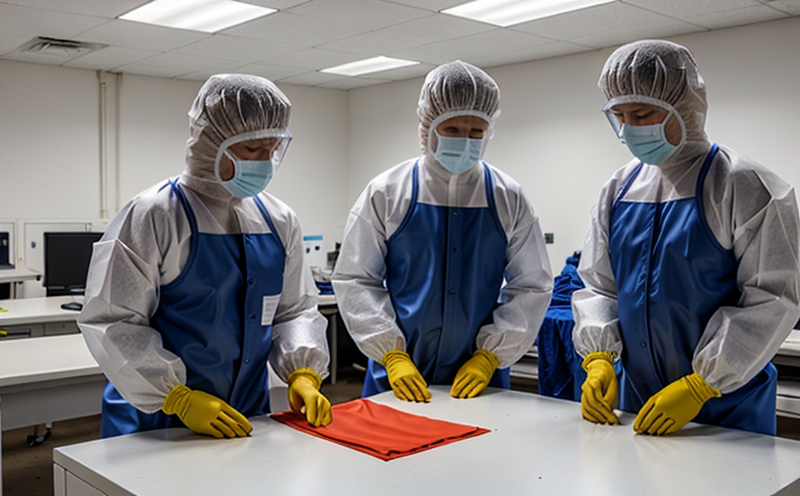
The process involves several key steps: specimen preparation, bacterial challenge, incubation period, and analysis for penetration rates. Specimens are prepared by cutting fabric swatches according to ISO 22611 specifications. The bacteria used in the test must be selected based on the target application environment, often including common pathogens like Escherichia coli or Pseudomonas aeruginosa. After inoculating these specimens with bacterial aerosols, they are incubated under specific conditions to observe any penetration. The results provide a quantitative measure of how well the fabric resists bacterial passage.
This testing method is particularly vital for ensuring compliance with industry regulations and standards that prioritize worker safety and health. By adhering to ISO 22611 protocols, manufacturers can demonstrate their commitment to producing high-quality protective clothing that effectively protects against microbial hazards. This not only enhances the trust of end-users but also supports a safer working environment.
The importance of this testing cannot be overstated, especially in sectors where cross-contamination poses significant risks. In healthcare settings, for example, the spread of bacteria can lead to severe infections and complications among patients. Similarly, in food processing plants, contamination by harmful microorganisms can result in product recalls and reputational damage. By employing ISO 22611 compliant testing, organizations not only meet regulatory requirements but also contribute to a safer working environment for all.
For quality managers and R&D engineers responsible for developing new protective clothing, this test is an indispensable tool. It allows them to refine design iterations and select appropriate materials that offer the best protection against bacterial penetration. Moreover, compliance officers can rely on these results to ensure their products meet international standards and are suitable for deployment in regulated environments.
Understanding the intricacies of ISO 22611 also aids in effective procurement decisions by helping organizations source protective clothing from reliable suppliers who adhere to stringent testing protocols. This ensures that the garments they provide not only comply with regulatory requirements but also meet the highest standards of safety and efficacy.
Why It Matters
The significance of ISO 22611 Protective Clothing Aerosol Bacterial Penetration Testing extends beyond mere compliance—it plays a critical role in safeguarding individuals from airborne bacterial contaminants. In environments where cross-contamination is a concern, such as healthcare facilities and food production plants, the effectiveness of protective clothing becomes paramount.
- Healthcare Settings: In hospitals or clinics, where patients are often immunocompromised, even minor breaches in protection can lead to severe infections. Ensuring that medical staff wear garments that effectively block bacterial aerosols is crucial for preventing such incidents.
- Food Processing Industries: Contaminated food products due to microbial contamination can result in significant economic losses and public health crises. By using ISO 22611 compliant protective clothing, companies can minimize the risk of product recalls and ensure consumer safety.
The test results not only provide a clear measure of garment performance but also offer valuable insights into potential improvements needed for better protection. This is particularly important in R&D stages where continuous innovation is essential to stay ahead of emerging threats and regulatory changes.
From an operational standpoint, consistent adherence to ISO 22611 ensures that all protective clothing meets the necessary standards before being deployed in various environments. This reduces the likelihood of incidents caused by substandard garments and enhances overall safety protocols within organizations.
Eurolab Advantages
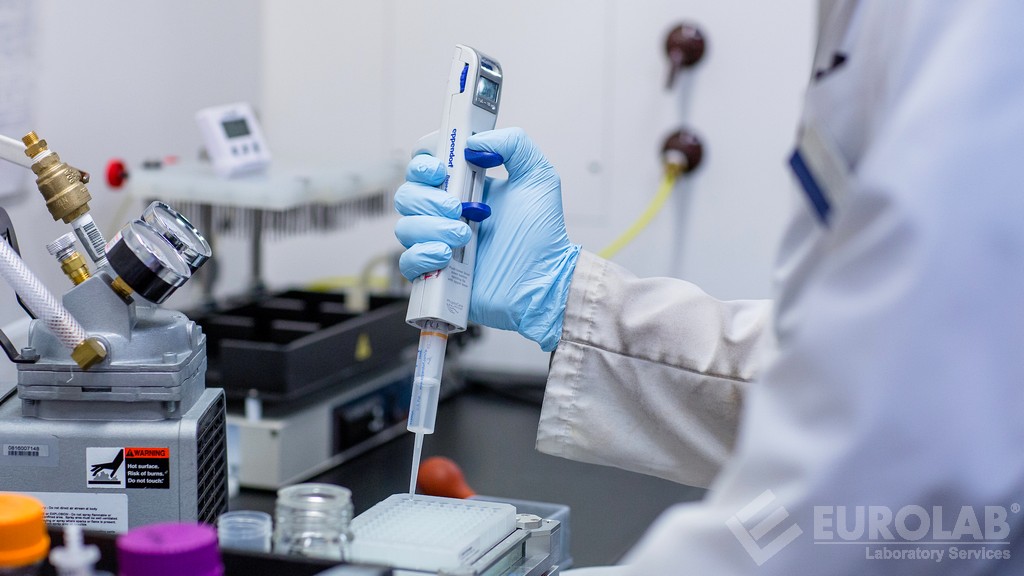
At Eurolab, we pride ourselves on offering comprehensive testing services that are unparalleled in terms of quality and reliability. Our expertise in ISO 22611 Protective Clothing Aerosol Bacterial Penetration Testing is supported by state-of-the-art facilities equipped with the latest technology, ensuring accurate and precise results.
Our team of experienced professionals provides a range of value-added services beyond just testing. From initial consultation to detailed report generation, we ensure that every step in the process is handled efficiently and effectively. Our commitment to excellence is further exemplified by our adherence to international standards such as ISO 22611, ensuring that all results are credible and can be trusted.
In addition to robust testing capabilities, Eurolab offers a full suite of services designed to support your business needs. These include:
- Customized Testing Solutions: Tailored testing plans to meet specific requirements for different industries and applications.
- Comprehensive Reporting: Detailed reports that provide actionable insights into garment performance, helping you make informed decisions about product improvements.
- Training Programs: Workshops and training sessions aimed at educating personnel on best practices in protective clothing use and maintenance.
By partnering with Eurolab, you gain access to a wealth of knowledge and resources that can enhance the safety and effectiveness of your protective clothing. Our services are designed to help you achieve compliance while also ensuring that your products meet or exceed industry expectations.
Quality and Reliability Assurance
The reliability of testing results is paramount in ISO 22611 Protective Clothing Aerosol Bacterial Penetration Testing. To ensure accurate outcomes, strict adherence to the standard’s procedural guidelines is essential. This includes precise specimen preparation, controlled bacterial inoculation conditions, and standardized incubation periods.
- Specimen Preparation: Specimens must be cut according to ISO 22611 specifications to ensure consistency across samples.
- Bacterial Inoculation: The bacteria used for inoculation should represent the target pathogens, and their concentration is critical for accurate testing.
- Incubation Periods: Specified incubation times allow sufficient time for any potential penetration to occur, ensuring reliable data collection.
The use of advanced instrumentation such as bioaerosol generators, bacterial counting devices, and environmental monitoring systems further enhances the reliability of these tests. These tools provide real-time data on aerosol concentrations and particle counts, which are crucial for accurate testing outcomes. Additionally, employing experienced personnel who are trained in handling these instruments ensures that every test is conducted with precision and care.
Quality assurance measures within Eurolab include regular calibration checks of all equipment used during the tests, periodic audits by independent third-party organizations, and continuous training programs for staff to stay updated on the latest advancements in testing methodologies. By maintaining such high standards, we ensure that every test conducted meets international benchmarks and provides trustworthy results.