ISO 21028-2 Weld Toughness Testing of Cryogenic Tank Materials
The ISO 21028 series specifies requirements for the design, construction, and testing of cryogenic tanks. Among these, ISO 21028-2 focuses on weld toughness evaluation which is critical to ensuring the structural integrity of cryogenic tank components under extreme low temperatures.
Cryogenic storage systems are used in a variety of industries such as petrochemicals, pharmaceuticals, and aerospace. The materials employed for these tanks must withstand extremely low temperatures without compromising their mechanical properties or exhibiting brittle fracture behavior. Brittle fracture can lead to catastrophic failures that could result in severe damage to equipment, personal injury, and environmental hazards.
The ISO 21028-2 standard mandates that the welds in cryogenic tanks be tested for toughness using a specific procedure known as Charpy impact testing. This involves subjecting notched specimens cut from the welded joints of the tank to an impact test at low temperatures (typically -196°C). The results are used to evaluate whether the material exhibits sufficient ductility and toughness.
The process begins with selecting appropriate specimens that accurately represent the welds. These specimens are typically taken from the heat-affected zones or fusion zones of the welded joints. Specimen preparation is crucial; it involves ensuring that the notches are correctly aligned to simulate the type of stress that would be experienced during service.
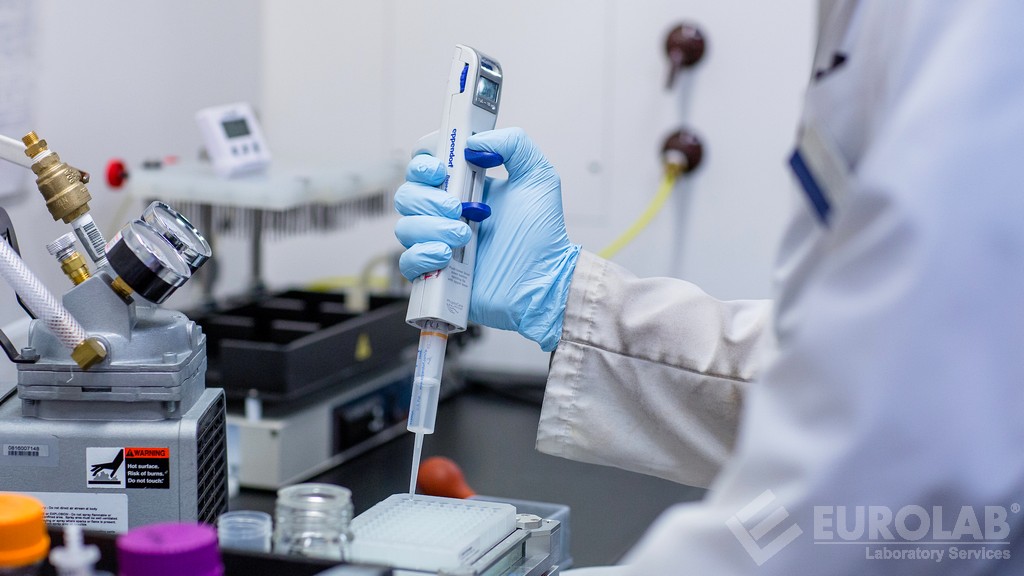
Testing equipment used in this process includes specialized low-temperature testing machines capable of maintaining temperatures as required by ISO 21028-2. The specimens are positioned in these machines, and they undergo a series of impacts at specified velocities and energies. The results from these tests provide valuable insights into the material's toughness under cryogenic conditions.
The importance of this testing cannot be overstated. It ensures that materials used in cryogenic tank systems comply with international standards, thereby enhancing safety and reliability. Compliance with ISO 21028-2 is particularly crucial for manufacturers who need to demonstrate their adherence to stringent quality control measures and regulatory requirements.
For R&D engineers involved in the development of new materials or improved welding techniques for cryogenic tanks, this testing process offers a critical tool. It allows them to refine materials and processes to meet increasingly demanding performance criteria set by industry standards and regulations.
Applied Standards
The ISO 21028-2 standard is one of several international guidelines that collectively ensure the safety, reliability, and efficiency of cryogenic tank systems. This particular standard focuses on weld toughness testing to guarantee that materials used in these tanks can withstand the extreme cold without failing.
Other relevant standards include ISO 19403-2 for mechanical properties at low temperatures and EN 15678 which covers the design, construction, and testing of cryogenic tank systems. Together, these standards form a comprehensive framework that guides the entire lifecycle of cryogenic tanks from initial design through to final inspection.
The application of ISO 21028-2 is particularly important in industries where the integrity of storage facilities is paramount, such as liquefied natural gas (LNG) production and transportation. In these sectors, any failure could have far-reaching consequences, making compliance with this standard a non-negotiable requirement.
The testing procedures outlined in ISO 21028-2 are designed to be stringent yet practical, ensuring that materials used in cryogenic tanks meet the highest standards of quality and reliability. This ensures not only regulatory compliance but also enhances the reputation and competitiveness of manufacturers who adhere to these rigorous testing protocols.
Competitive Advantage and Market Impact
Adhering to ISO 21028-2 provides significant competitive advantages for companies operating in the marine and ship equipment sector. Compliance with this standard not only ensures product safety but also demonstrates a commitment to quality and reliability, which are critical factors influencing customer trust.
The market impact of adhering to these standards is substantial. It enhances the reputation of manufacturers by aligning their products with international best practices. This can lead to increased market share as customers look for suppliers who meet or exceed industry benchmarks.
From a regulatory perspective, compliance ensures that companies avoid costly fines and penalties associated with non-compliance. In addition, it opens doors to international markets where stringent quality standards are required. For R&D engineers, compliance offers a platform to innovate within the confines of established but robust guidelines.
The testing process specified in ISO 21028-2 is designed to be both comprehensive and practical, ensuring that materials used in cryogenic tanks meet the highest standards of quality and reliability. This not only enhances product safety but also contributes significantly to reducing operational risks and environmental impacts associated with these systems.
Overall, compliance with ISO 21028-2 is essential for maintaining a competitive edge in an industry where safety and reliability are paramount. It ensures that companies remain at the forefront of technological advancement while adhering to stringent quality control measures and regulatory requirements.
Use Cases and Application Examples
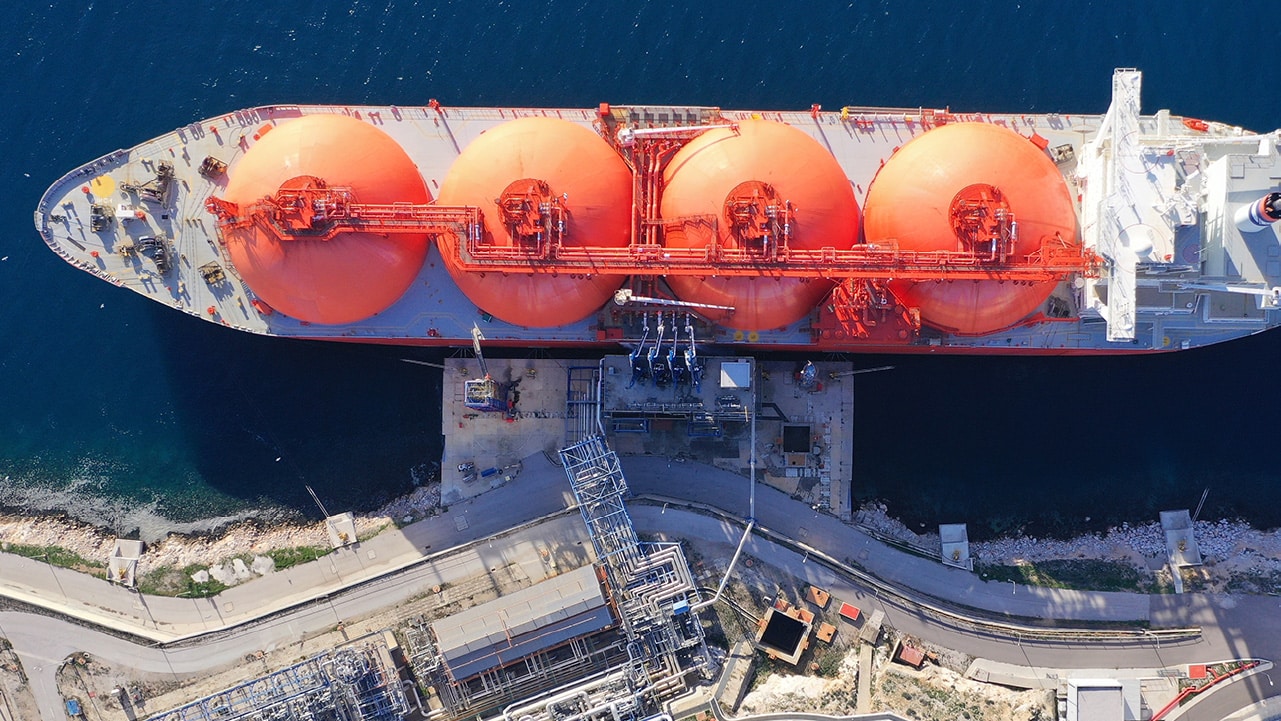
The ISO 21028-2 standard finds application in various marine and ship equipment testing scenarios, particularly where the integrity of cryogenic tank systems is crucial. One common use case involves LNG carriers transporting liquefied natural gas at extremely low temperatures.
In these vessels, the cryogenic tanks must be able to withstand the harsh conditions encountered during transportation across vast oceanic distances. The materials used in constructing these tanks are subjected to rigorous testing to ensure they can maintain their structural integrity and mechanical properties under such extreme conditions.
Another application involves offshore oil rigs where large storage facilities hold cryogenic fluids for processing and transportation. Here, the reliability of the tank systems is crucial not only for operational efficiency but also for safety reasons. The use of ISO 21028-2 ensures that these systems meet the highest standards of quality and reliability.
For R&D engineers working in this sector, compliance with ISO 21028-2 provides a robust framework within which they can innovate and develop new materials and processes. It allows them to push the boundaries of what is possible while ensuring that their work meets stringent international standards.
The testing process specified by ISO 21028-2 is particularly important for companies involved in the design, construction, and maintenance of cryogenic tank systems. By adhering to this standard, they can ensure that their products are not only safe but also meet the highest quality and reliability standards.
This compliance has a direct impact on operational efficiency, reducing risks associated with material failure under extreme conditions. It ensures that companies remain at the forefront of technological advancement while maintaining a strong commitment to safety and environmental responsibility.