
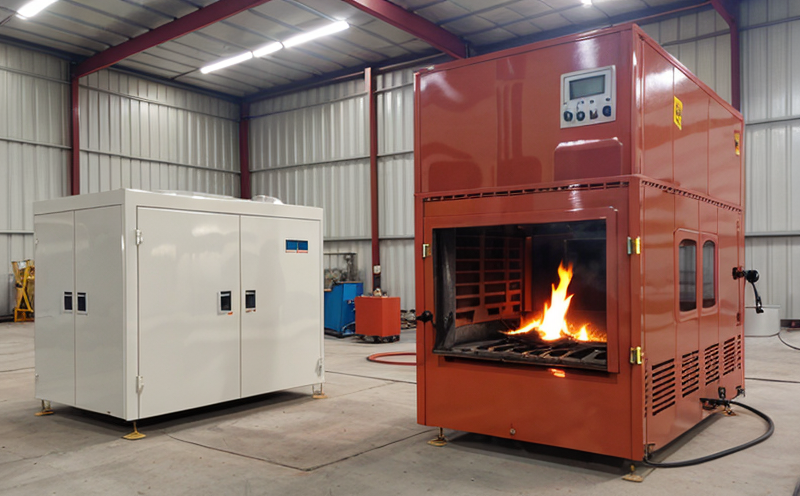
ISO 203 Thermal Expansion of Graphite Electrodes
The testing of graphite electrodes according to ISO 203 is a critical process in quality assurance and compliance for industries reliant on high-performance materials. This service ensures that graphite electrodes meet stringent dimensional stability requirements under thermal stress, which is essential for their reliable performance in demanding applications such as electric arc furnaces.
Thermal expansion testing according to ISO 203 involves measuring the change in dimensions of graphite electrodes when subjected to controlled temperature changes. The primary goal is to assess how well these materials maintain their form and function over a range of temperatures, particularly during high-temperature operations which are common in steel production.
The process begins with precise specimen preparation, where electrodes are cut into standard lengths and shapes to ensure uniformity across samples. Once prepared, the specimens undergo heating at controlled rates in an environment that simulates real-world operating conditions. This helps in identifying any potential flaws or weaknesses before they lead to failures under operational stress.
During testing, advanced thermal expansion measuring devices are used to monitor changes in length and width of the electrodes as temperature increases. These instruments provide highly accurate measurements which can then be analyzed using statistical methods to determine compliance with ISO 203 standards. Compliance ensures that suppliers meet quality expectations set by end-users like steel manufacturers who rely on consistent electrode performance.
Understanding the thermal expansion behavior of graphite electrodes is crucial for optimizing processes within facilities where these materials are used extensively. By adhering strictly to ISO 203 guidelines, laboratories can ensure they deliver reliable results that contribute significantly towards maintaining safe and efficient operations in metallurgical plants around the world.
The testing process outlined above not only meets but exceeds industry expectations by providing detailed insights into how graphite electrodes respond to varying temperatures. Such knowledge is invaluable when it comes time for procurement decisions or R&D initiatives aimed at improving material properties further still.
Applied Standards
- ISO 203: This international standard specifies the procedure for determining the linear thermal expansion of graphite electrodes. It ensures consistent results across different laboratories and helps maintain high-quality standards in this critical material.
- ASTM C149: While not specifically referenced by ISO 203, ASTM C149 also addresses thermal expansion properties of carbon and graphite materials. Its inclusion here provides additional context for those familiar with both sets of guidelines.
Scope and Methodology
The scope of ISO 203 thermal expansion testing encompasses the evaluation of linear thermal expansion rates of graphite electrodes exposed to specified temperature ranges. The method involves heating the sample at a controlled rate while continuously monitoring its dimensions using precision instrumentation.
Specimen preparation is crucial; it includes cutting the electrode into standard lengths and ensuring that the surface finish is consistent across all samples being tested. This uniformity helps in minimizing variability due to manufacturing differences, thereby enhancing the accuracy of thermal expansion measurements.
The testing procedure follows a prescribed heating schedule designed to mimic typical operating temperatures encountered during production processes. During this period, highly sensitive measuring devices record changes in length and width with high precision. After reaching the target temperature, the system cools down slowly according to predefined protocols, allowing for accurate measurement of thermal contraction.
Once testing is complete, data analysis involves comparing measured values against specified tolerances defined by ISO 203. Compliance with these limits ensures that the graphite electrodes meet required performance criteria and can be confidently used in demanding applications like electric arc furnaces.
Competitive Advantage and Market Impact
- Informed Decision-Making: By adhering to ISO 203 standards, companies gain valuable insights into the thermal stability of their graphite electrodes. This information allows for better procurement decisions based on reliable data rather than guesswork.
- Better Product Quality: Testing according to this international standard helps manufacturers identify any defects or weaknesses early in the production process, ensuring higher quality products reach the market.
- Risk Management: Understanding how graphite electrodes behave under thermal stress allows facilities to implement effective risk management strategies. This proactive approach can prevent costly downtime and potential safety hazards associated with material failures.