ISO 18287 PAHs in C&D Waste Materials
The International Organization for Standardization (ISO) has established ISO 18287 as a standard for the determination of polycyclic aromatic hydrocarbons (PAHs) in construction and demolition waste materials. This service ensures that waste management practices meet environmental compliance requirements, particularly focusing on the presence of PAHs which are known carcinogens.
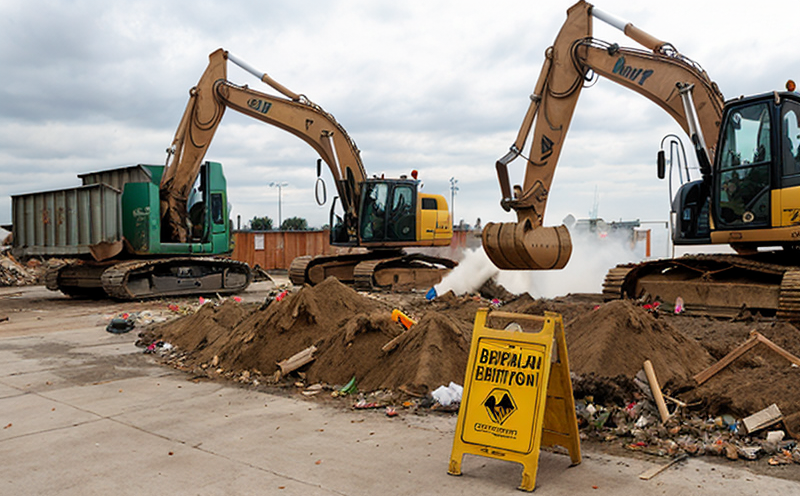
Construction and Demolition (C&D) waste represents a significant portion of municipal solid waste streams worldwide. The disposal or recycling of C&D materials involves careful evaluation to ensure the safety and sustainability of the environment. PAHs, found in many types of construction materials such as asphalt, paint, and roofing shingles, can contaminate soil, water, and air if not properly managed.
ISO 18287 provides a standardized method for quantifying PAH levels by gas chromatography with mass spectrometry (GC-MS). This process involves the extraction of PAHs from waste samples using a suitable solvent followed by their detection through GC-MS analysis. The standard specifies limits and thresholds that must be adhered to, ensuring that recycled C&D materials do not pose risks to human health or the environment.
The testing methodology outlined in ISO 18287 is crucial for several reasons. Firstly, it helps in identifying contaminated waste streams early on, allowing for appropriate segregation and disposal strategies. Secondly, it supports the development of safer recycling processes by providing data that can be used to refine material handling practices. Lastly, compliance with this standard ensures that facilities meet regulatory requirements set forth by environmental protection agencies.
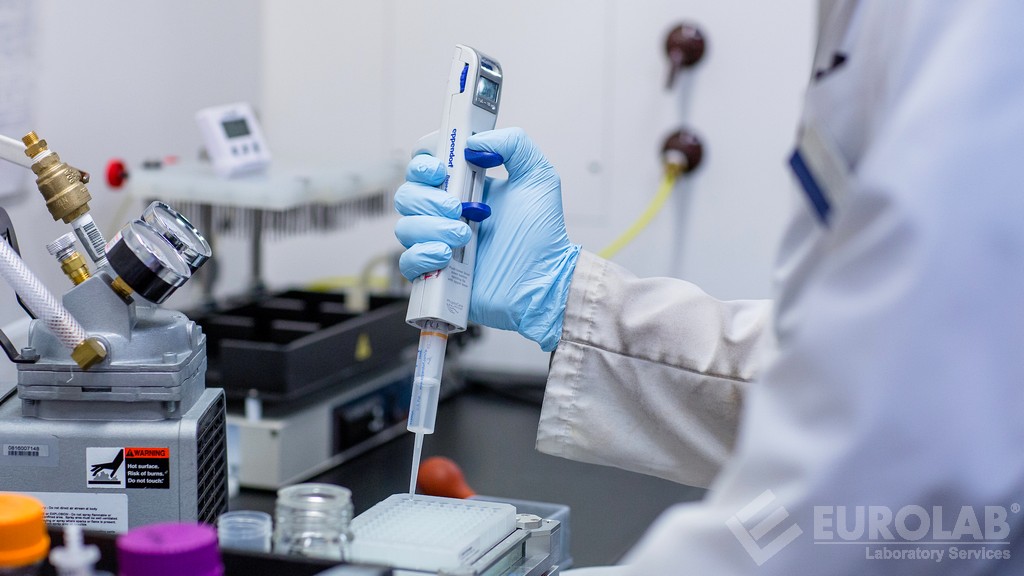
The service offered covers all aspects necessary for accurate testing according to ISO 18287. From sample preparation and extraction techniques to the actual analysis using GC-MS equipment, our team of experts ensures precision in every step. Our laboratories are equipped with state-of-the-art instruments capable of detecting even trace amounts of PAHs, ensuring reliable results.
Our technicians follow rigorous protocols throughout the testing process, from initial sample collection to final reporting. This includes thorough documentation and quality assurance measures at each stage to maintain accuracy and consistency in our findings. By adhering strictly to ISO 18287 guidelines, we guarantee that clients receive reliable data about PAH concentrations within their C&D waste materials.
This service is particularly valuable for organizations involved in sustainable resource management initiatives. It enables them to make informed decisions regarding the reuse or disposal of C&D materials while minimizing potential environmental impacts. For those responsible for regulatory compliance, this testing ensures that they stay ahead of changing legal requirements related to hazardous waste.
Applied Standards
| Standard Name | Description |
|---|---|
| ISO 18287:2015 | Determination of polycyclic aromatic hydrocarbons (PAHs) in construction and demolition waste materials by gas chromatography with mass spectrometry (GC-MS) |
Benefits
- Ensures compliance with international standards for PAHs in C&D waste.
- Promotes safer recycling practices by identifying and managing hazardous materials early.
- Supports sustainable resource management through informed decision-making about material reuse or disposal.
- Aids regulatory compliance by providing accurate data on PAH concentrations within waste streams.
- Reduces environmental risks associated with the improper handling of C&D waste containing PAHs.
Environmental and Sustainability Contributions
The testing provided under ISO 18287 plays a critical role in promoting sustainability within the construction industry. By ensuring that C&D waste is handled safely, this service contributes to reduced landfill usage, lower emissions from incineration processes, and improved resource recovery rates.
Through accurate detection of PAH levels, we help organizations implement more efficient recycling programs which can lead to significant reductions in energy consumption during manufacturing. Additionally, by preventing contaminated materials from entering the supply chain, this service supports broader efforts towards zero waste goals.
Incorporating ISO 18287 into daily operations also fosters a culture of responsibility among professionals working within the construction sector. It encourages continuous improvement in practices aimed at protecting public health and preserving natural resources for future generations.