
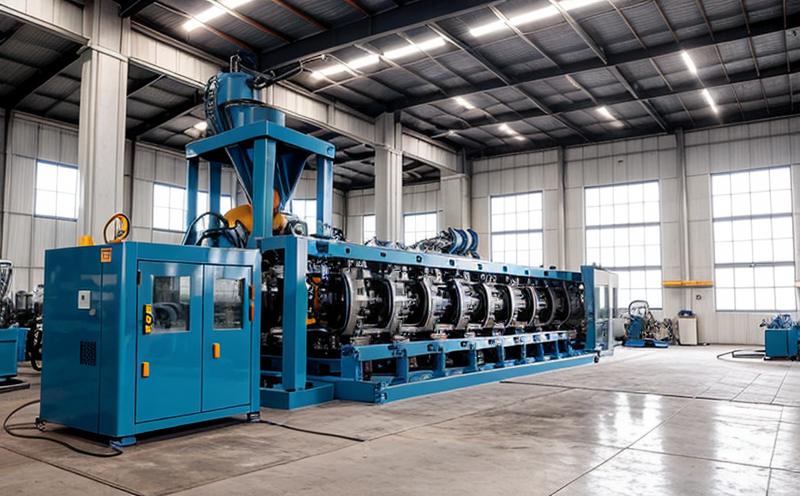
ISO 14396 Engine Net Power Performance Testing
The ISO 14396 standard specifies a method to determine the net power output of internal combustion engines. This testing is critical in ensuring that machinery and equipment meet performance specifications as outlined by international standards, thereby enhancing reliability and efficiency in industrial applications.
Net power testing involves measuring the actual work done by an engine under specific conditions, typically including load, speed, and temperature. The purpose of this testing is to ensure that engines deliver consistent and reliable performance across various operating environments. This service supports quality managers, compliance officers, R&D engineers, and procurement teams in their efforts to maintain high standards of product integrity.
The ISO 14396 protocol ensures accurate measurement by standardizing the test conditions, including atmospheric pressure, ambient temperature, and the type of fuel used. Compliance with these stringent requirements is crucial for industries that rely on precise performance metrics for their machinery.
During testing, engineers must follow a rigorous procedure to ensure accuracy. This includes calibrating equipment according to ISO standards, preparing test specimens in accordance with specified guidelines, and conducting tests under controlled conditions. The results of these tests are then used to assess the engine's efficiency and identify any potential issues that may arise during operation.
The importance of this testing cannot be overstated, especially for industries where machinery performance directly affects productivity and safety. By adhering to ISO 14396, manufacturers can ensure their products meet industry standards, thereby building trust with customers and improving overall product quality.
Our laboratory utilizes state-of-the-art equipment and experienced technicians to perform these tests. We provide detailed reports that include all relevant data points, ensuring transparency and reliability for our clients. With this service, we aim to support the continuous improvement of machinery performance in industrial settings.
Applied Standards
The ISO 14396 standard is widely recognized and applied across various industries, particularly those involving internal combustion engines. This includes sectors such as automotive manufacturing, aerospace, and heavy equipment production. The standard ensures that all tests are conducted under consistent conditions, which is essential for comparing results between different manufacturers.
Key aspects of ISO 14396 include:
- Detailed specifications for engine operation
- Standardized test procedures to ensure consistency
- Requirements for environmental control during testing
- Criteria for data collection and analysis
The use of these internationally recognized standards helps ensure that the results of our tests are credible and widely accepted within the industry. This not only enhances the reputation of the manufacturer but also improves market confidence.
Industry Applications
The application of ISO 14396 engine net power performance testing is extensive, particularly in sectors where machinery reliability and efficiency are paramount. Here are some key areas:
- Aerospace Industry: Ensuring that engines meet stringent performance requirements for aircraft.
- Automotive Manufacturing: Evaluating the efficiency of automotive engines to improve fuel economy and reduce emissions.
- Heavy Equipment Production: Testing industrial machinery such as bulldozers, excavators, and generators to ensure they operate efficiently under various conditions.
- R&D Engineers: Using these tests to refine engine designs and improve performance metrics.
The results of ISO 14396 tests are invaluable for quality managers looking to maintain high standards of product integrity. By adhering to this standard, companies can ensure that their products meet the highest industry benchmarks.
Use Cases and Application Examples
| Use Case | Description |
|---|---|
| Aerospace Engine Testing: | Testing jet engines to ensure they meet the stringent performance requirements of aircraft manufacturers. |
| Automotive Fuel Efficiency Analysis: | Evaluating engine efficiency in passenger vehicles to improve fuel economy and reduce emissions. |
| Heavy Equipment Reliability: | Ensuring the reliability of industrial machinery by testing their engines under various operational conditions. |
| R&D Engine Design: | Refining engine designs to enhance performance and efficiency through rigorous testing. |
The following are some frequently asked questions about ISO 14396 engine net power performance testing: