ISO 12937 Water Content of Petroleum Fuels Karl Fischer Test
The ISO 12937 water content test for petroleum fuels is a critical procedure used to ensure the quality and performance of fuel products. This method employs the Karl Fischer titration technique, which allows for precise determination of trace amounts of water in liquid samples. The primary application of this test is in the oil & gas sector where it helps maintain product consistency and reliability.
The process involves placing a sample into the Karl Fischer titrator, where reagents react with any present water to form sulfuric acid, hydrogen sulfate, and heat. The generated heat causes a change in the conductivity of the electrolyte, which is measured by an electrode system. As the reaction proceeds, this conductivity changes until it reaches a stable endpoint, indicating complete consumption of the water molecules.
This test is particularly important for fuel testing because even small amounts of moisture can significantly affect fuel stability and performance. Water content in fuels can lead to degradation of lubricating properties, corrosion issues, and reduced combustion efficiency. By accurately measuring water content through ISO 12937, labs like Eurolab ensure that fuels meet the highest quality standards.
The testing procedure is governed by international standards such as ISO 12937, ASTM D6304, and EN ISO 12937. These guidelines provide clear procedures for sample preparation, reagent selection, titration conditions, and calculation of results to ensure consistency across different laboratories.
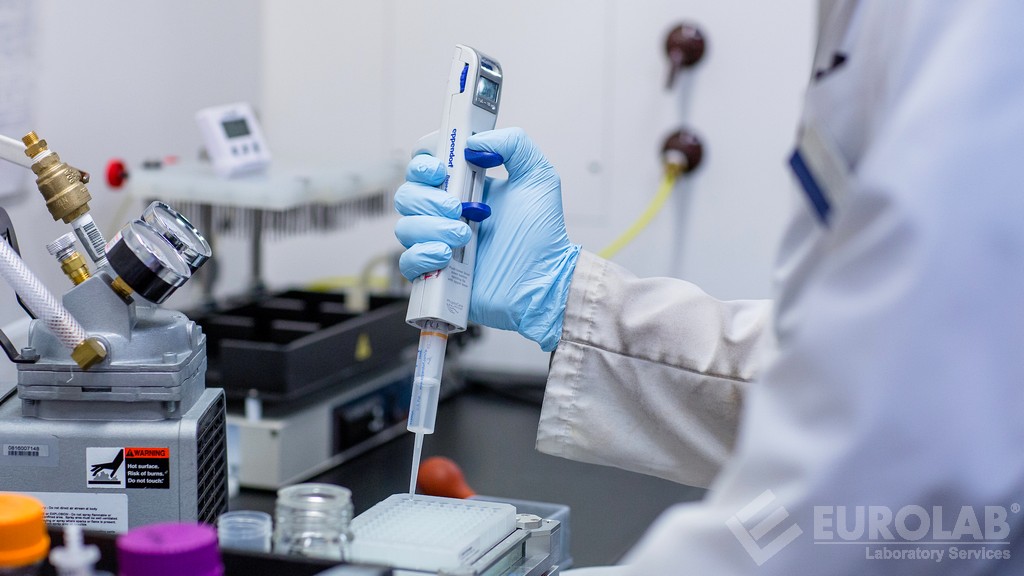
Sample preparation is crucial in achieving accurate results. The fuel sample must be representative of the batch being tested, free from contamination, and homogenized before analysis. Proper handling ensures that any pre-existing water content is not altered during processing. Once prepared, the sample can be introduced into the Karl Fischer titrator for testing.
Instrumentation used in this test includes a precision balance for weighing samples accurately to within 0.1 mg, a laboratory oven for drying samples if necessary, and the Karl Fischer titrator itself, which comes with specific reagents tailored for petroleum fuel analysis. The titrator must be calibrated regularly to maintain accuracy.
The results from this test are typically reported as milligrams of water per kilogram of fuel (mg/kg). This value provides a clear indication of how much water is present in the sample, allowing stakeholders to make informed decisions about fuel quality and potential risks associated with high moisture levels.
Understanding why accurate water content measurement matters extends beyond technical aspects. In practical terms, this test supports compliance with regulatory requirements and helps prevent costly issues related to fuel performance and safety. For instance, excessive water in diesel fuel can lead to microbial growth, which may clog filters or cause engine damage if not addressed promptly.
By adhering strictly to ISO 12937 protocols, Eurolab ensures that the results are reliable and comparable among different testing facilities worldwide. This consistency is vital for industries relying on high-quality fuels for critical operations.
Why It Matters
The importance of accurate water content measurement in petroleum fuels cannot be overstated, especially given the global demand for cleaner and more efficient energy sources. Water contamination in fuels can lead to several adverse effects, including reduced fuel stability, increased viscosity, and potential operational failures.
- Increased Viscosity: Moisture in diesel fuel increases its viscosity, making it harder to pump through pipelines or inject into engines. This can result in performance degradation and increased wear on equipment.
- Corrosion Risks: Water acts as an electrolyte, facilitating the corrosion of metal components within storage tanks and distribution systems. Even trace amounts of water can accelerate this process, leading to premature equipment failure.
- Bacterial Growth: In fuel tanks, even small quantities of water provide the necessary environment for microbial growth. This phenomenon, known as biofouling, leads to sludge formation that can clog filters and valves, causing significant operational disruptions.
- Catalyst Activity: Water can influence catalysts used in refining processes, affecting their efficiency and lifespan. Ensuring fuel meets the required specifications helps maintain optimal catalytic performance.
In summary, precise water content measurement is essential for maintaining fuel quality and preventing costly operational issues. It supports compliance with industry standards and environmental regulations while enhancing overall safety and reliability of fuel products.
Eurolab Advantages
At Eurolab, we pride ourselves on offering comprehensive services tailored to meet the unique needs of our clients in the oil & gas sector. Our ISO 12937 water content tests for petroleum fuels are conducted with state-of-the-art equipment and experienced technicians, ensuring accurate and reliable results every time.
- Advanced Equipment: We utilize cutting-edge Karl Fischer titrators that provide high precision and repeatability in measurements.
- Expertise: Our team of highly trained analysts ensures thorough sample preparation and interpretation of results.
- Compliance Assurance: All tests are conducted according to international standards like ISO 12937, ASTM D6304, and EN ISO 12937, ensuring consistency and reliability.
- Fast Turnaround Times: We understand the importance of timely results in fuel testing. Our efficient processes allow for quick turnaround times without compromising on accuracy.
Our commitment to excellence extends beyond mere compliance; it encompasses providing valuable insights that help our clients make informed decisions about their fuels. By leveraging Eurolab's expertise, you can ensure your products meet the highest quality standards and perform optimally in real-world conditions.
Competitive Advantage and Market Impact
The ability to accurately measure water content in petroleum fuels gives companies a significant competitive edge. In an increasingly regulated market, compliance with international standards is non-negotiable. Eurolab's proficiency in conducting ISO 12937 tests ensures that our clients stay ahead of regulatory changes and industry trends.
- Regulatory Compliance: By adhering to strict testing protocols, we help clients meet stringent environmental regulations and safety standards.
- Innovation Support: Our detailed reports assist R&D teams in optimizing fuel formulations for better performance and reduced environmental impact.
- Enhanced Reputation: Providing reliable quality assurance through precise water content measurement enhances a company's reputation among stakeholders, including customers and regulatory bodies.
In the broader market context, accurate water content testing is crucial for maintaining trust in the fuel industry. As consumers become more aware of environmental impacts, having a trusted partner like Eurolab can differentiate clients from their competitors. This advantage translates into increased customer loyalty and improved brand perception.